
InsertMolding
Insert molding built for durable interfaces and repeatable performance at scale. Molded-in threads, bushings, pins, and terminals with controlled shutoffs, validated process windows, and CTQ-first inspection—so insert position, concentricity, and torque/pull-out strength stay stable lot-to-lot.

CTQ Focus
Position + Retention
Tooling + Validation
Program-based
Placement Mode
Manual → Automated
Controlled insert integration
Insert strategy + shutoff control + retention validation.
Insert Molding Services
Why Choose PREMSA for Insert Molding
PREMSA delivers insert molding for programs that need durable interfaces—molded-in threads, bushings, pins, terminals, grounding points, and reinforcement hardware—without relying on post-mold insertion. We align insert geometry, shutoff strategy, gating/venting, and process validation around your CTQs so insert position, concentricity, and retention stay stable as volume scales.
Insert molding success is driven by control at the interface: reliable insert location and anti-rotation features, robust shutoffs to prevent flash and resin blow-by, and a process window that tolerates real production variation. This reduces scrap drivers like insert float/shift, cosmetic flash around the insert, burn from trapped gas, weld line weakness near the insert, and dimensional drift caused by insert heat-sink effects.
We treat insert molding as a system: insert design + placement method + tooling shutoffs + validated process window + CTQ inspection. The result is predictable throughput, repeatable assembly performance, and a clear change-control path when insert vendors, resin grades, or automation needs evolve.
What is Insert Molding?
Insert molding is an injection molding process where a pre-formed insert—often metal, but sometimes plastic—is placed into the mold, and plastic is molded around it to create a single integrated part. It is used to build durable mechanical threads, wear surfaces, electrical terminals, shielding/grounding features, and structural interfaces that would be unreliable or costly with plastic alone.
A strong insert molding program connects insert retention and orientation (knurls/undercuts/anti-rotation), tooling shutoffs and fixturing (flash control, wear management), thermal behavior (heat-sink effects and preheat when needed), and quality systems (position/concentricity + torque/pull-out validation) so performance stays stable through ramp-up and series production.
The Insert Molding Workflow
A control-driven workflow that locks insert position, validates retention, and scales throughput predictably.
1. Requirements Intake (CTQs, Insert Type, Assembly Intent, Volume)
We confirm CTQs (insert position, concentricity, pull-out/torque-out targets, sealing if applicable), insert material/spec, assembly loads, environment/corrosion constraints, and volume forecasts to define placement method and tooling intent.
2. Insert Strategy + DFM (Retention, Anti-Rotation, Datums)
We review insert geometry: knurls, undercuts, flats/keys, lead-ins, and datum strategy. We plan tolerances around the insert and identify risks like insert float, plastic creep under load, and weld lines on critical load paths.
3. Placement Method Planning (Manual vs Automation-Ready)
We choose the insertion approach: manual loading with poka-yoke, staged pre-assembly, or automation/robot-ready concepts. We define orientation features, presentation, and error-proofing to avoid wrong-part or flipped inserts.
4. Tooling Strategy (Shutoffs, Fixturing, Cooling, Serviceability)
We design tight shutoffs around the insert, robust fixturing to prevent movement, wear management on shutoff surfaces, balanced cooling to control warp, and serviceability for long-term stability.
5. Build + Debug (Flash Control, Gas Traps, Weld Line Placement)
We debug interface stability: flash/blow-by around the insert, venting to avoid burns and trapped gas, gating adjustments to protect strength, and ejection strategy that avoids damaging the insert or the surrounding plastic.
6. Process Validation (Window, Limits, Start-Up Stability)
We establish a robust process window and define critical parameter limits to keep insert position and interface quality stable across start-ups, restarts, and material condition changes.
7. CTQ Measurement + Retention Testing Plan
We define how to measure insert position/concentricity and how to validate retention (pull-out, torque-out, proof loads, or leak checks when relevant), plus sampling frequency aligned to risk and assembly impact.
8. Ramp-Up + Stable Production + Change Control
We scale throughput while protecting yield: reduce scrap from misloads/flash, stabilize cycle time, and maintain traceability across insert lots, resin lots, and process settings with controlled changes.
Tooling Shutoffs, Fixturing & Automation Readiness
Shutoffs Built for Flash Control
Insert molding lives or dies on shutoffs. We design tight shutoffs around the insert and plan wear management so flash and blow-by don’t drift over program life.
Fixturing to Prevent Insert Float/Shift
We use robust locating features and insert seating strategy to prevent movement during fill/pack—especially for slender inserts and tight positional CTQs.
Gating That Protects Interface Strength
Gate placement and flow direction are planned to avoid weld lines on critical load paths near the insert and to reduce jetting/erosion around tight shutoffs.
Venting to Avoid Burns and Trapped Gas
Inserts create gas-trap geometry. Venting is planned to reduce burn risk, false short-shot sensitivity, and cosmetic issues around the insert.
Thermal Planning for Heat-Sink Effects
Metal inserts pull heat and can change freeze-off and packing behavior. We account for this in cooling balance and, when needed, insert preheat strategy to stabilize interface quality.
Automation-Ready Concepts (Program-Based)
For higher volumes, we plan for repeatable insert presentation and poka-yoke so automation can be introduced without redesigning the part or destabilizing the process.
Technical Advantages
Stronger, More Durable Interfaces
Molded-in metal threads and wear surfaces improve long-term performance vs self-tapping screws or post-mold insertion when loads and cycles are high.
Repeatable Insert Position & Concentricity
Insert-focused tooling and inspection plans control position-sensitive CTQs that drive assembly quality and reduce rework.
Reduced Assembly Steps
Integrating inserts during molding can remove downstream press-in or staking operations—reducing labor, variability, and handling damage.
Controlled Flash and Cosmetic Stability
Shutoff design + validated process windows reduce flash drift around inserts, protecting sealing lands and cosmetic faces.
Retention Validation Aligned to CTQs
Torque-out and pull-out validation confirms the interface meets real assembly loads, not just dimensional checks.
Production Readiness for Automation
Placement strategy and poka-yoke planning enable a clear path from manual loading to automation as volume grows.
Insert Molding Capacity & Envelope
Press Selection & Shot Capacity (Insert Programs)
Press sizing is selected to maintain a stable process window around the insert: projected area, clamp margin, flow length, resin behavior, and gating strategy—so packing and flash control remain stable as inserts and material lots vary.
Sized for stability
Insert Handling, Presentation & Fixturing
Insert programs are evaluated for misload risk and presentation: orientation features, poka-yoke, insert seating, and fixturing robustness. The goal is repeatable placement and minimal scrap from loading errors.
Poka-yoke driven
Throughput & Placement Mode
Throughput depends on insert placement method. We plan for manual loading at lower volumes and design automation-ready concepts for higher volumes—without sacrificing CTQ stability.
Manual → Automated
Need stable insert position and retention performance?
Send CAD + insert spec + CTQs (position/concentricity + pull-out/torque-out targets) and request an insert molding DFM + process planning review. We’ll align shutoffs, gate/vent strategy, placement method, and inspection planning for stable output.
Quality & Process Control
Insert molding quality comes from controlled insert placement, robust shutoffs, and a validated process window. Defining insert position CTQs, retention requirements, cosmetic class, and sampling expectations up front enables capability targets and stable series output.
| Category | Technical Capability | Engineering Notes |
|---|---|---|
| CTQs, Positioning Control Plans & Capability Targets | Insert programs are structured around insert location CTQs (position, concentricity, clocking/orientation) with defined datums and measurement methods. Capability depends on fixturing, insert tolerance, resin shrink, and cavity-to-cavity balance. | Tolerance the interfaces that drive assembly. Include insert vendor tolerances in the stack-up and define measurement strategy early (fixtures, pins, CMM, or functional gauges). |
| Flash, Blow-By & Shutoff Control | Flash risk is higher around inserts due to tight shutoffs and wear points. Control requires shutoff design, wear management, venting, and process limits that avoid pushing pack/hold beyond what shutoffs can seal. | Define allowable flash on functional interfaces (sealing lands, threads, electrical contact zones). Plan preventive maintenance so shutoff wear doesn’t become a yield killer. |
| Lot Traceability & Change Control | Production stability depends on traceability across insert lots, resin lots, process settings, and controlled updates to tooling or parameters. Insert vendor changes can shift retention and position outcomes. | Set rules for insert vendor/finish changes, plating updates, resin equivalents, colorants/additives, and maintenance interventions that require verification. |
| Material Drying/Handling + Insert Prep Discipline | Moisture variation can drive splay/brittleness and dimensional drift, while insert surface condition (oil/contamination) can affect bonding and retention behavior depending on design intent. | Treat drying as a production CTQ for moisture-sensitive resins. Define insert cleaning/handling rules when surface condition influences the interface or downstream adhesion/sealing. |
Polymers & Materials
Polymer selection drives strength, impact performance, temperature resistance, chemical compatibility, dimensional stability, and cosmetic quality. Share your environment, load case, regulatory needs, and end-use requirements so we can recommend the best material family and grade for your program.
Commodity Polymers
Engineering Polymers
High-Performance Polymers
Elastomers (TPE / TPU)
Secondary Operations & Finishing
Beyond molding, production programs often require controlled cosmetic finishes, trimming, assembly steps, hardware installation, traceability, and packaging support to deliver production-ready parts that integrate cleanly into downstream operations.
Secondary Operations & Finishing
Insert Molding DFM Guidelines (DFM)
Insert molding is won or lost at the interface: retention geometry, stable placement, robust shutoffs, and controlled flow/venting around the insert. These DFM rules reduce variation, protect cycle time, and improve long-term capability.
| Design Feature | Recommendation |
|---|---|
| Retention Features: Knurls, Undercuts & Anti-Rotation | Use mechanical retention (knurls, undercuts, grooves, flats/keys) to resist torque and pull-out. Provide lead-ins and seating surfaces so the insert locates consistently. Avoid designs that rely on friction alone for anti-rotation under repeated torque cycles. |
| Positioning, Datums & Concentricity Planning | Define datums that reference the insert interface in assembly. Plan tolerance stack using insert vendor tolerances and molding variation. For coaxial requirements, use fixturing and measurement methods that directly validate concentricity, not just nominal dimensions. |
| Gating & Weld Lines Around Inserts | Gate placement should protect strength at the insert interface. Avoid placing weld lines on critical load paths (bosses, clamp-load zones, terminal supports). Flow direction and packing strategy should minimize voids and knit-line weakness near inserts. |
| Venting, Burns & Gas Trap Avoidance | Inserts create gas-trap geometry and tight shutoffs. Plan venting to prevent burns and false short-shot sensitivity. Poor venting can force operators to push parameters, increasing flash risk around the insert. |
| Thermal Management: Insert Preheat, Heat-Sink Effects & Cycle Time | Metal inserts pull heat and can change freeze-off at the interface, affecting packing and flash behavior. Consider insert mass, contact area, and cycle-time targets. Insert preheat can stabilize interface quality for some programs, but must be controlled and repeatable. |
| Tooling & Drawing Checklist (Insert Molding) | Provide insert drawings/specs (material, plating, tolerances), resin intent (and approved equivalents), CTQs for insert position/concentricity and retention (torque/pull-out targets), cosmetic faces + witness rules, environment/corrosion constraints, expected annual volume, placement intent (manual/auto), and documentation expectations (inspection evidence, traceability, change control). |
Applications & Industries
Insert Molding Applications
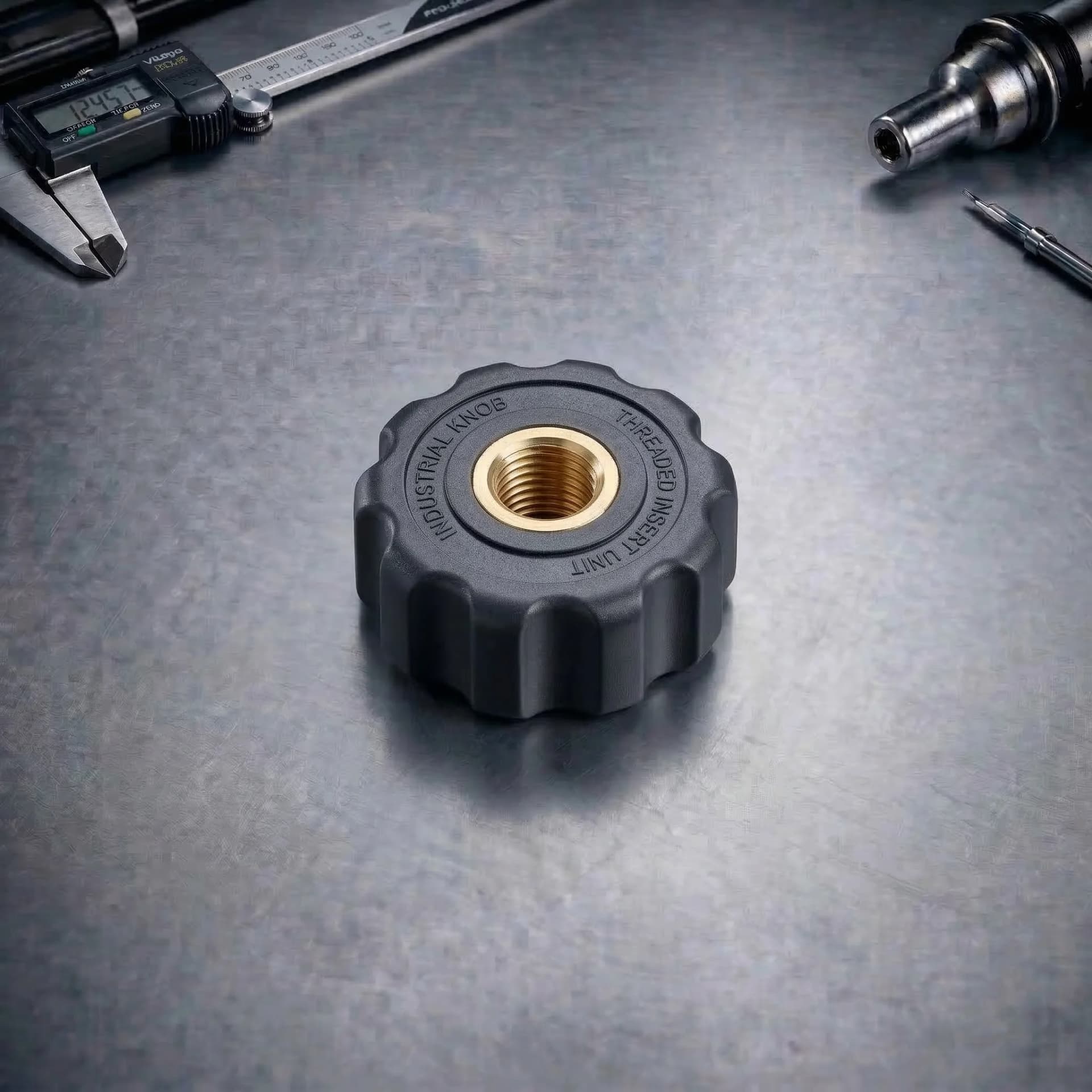
Threaded Interfaces & Fastening Features
Molded-in threaded inserts for repeated assembly cycles, higher clamp loads, and improved durability vs self-tapping threads in plastic.
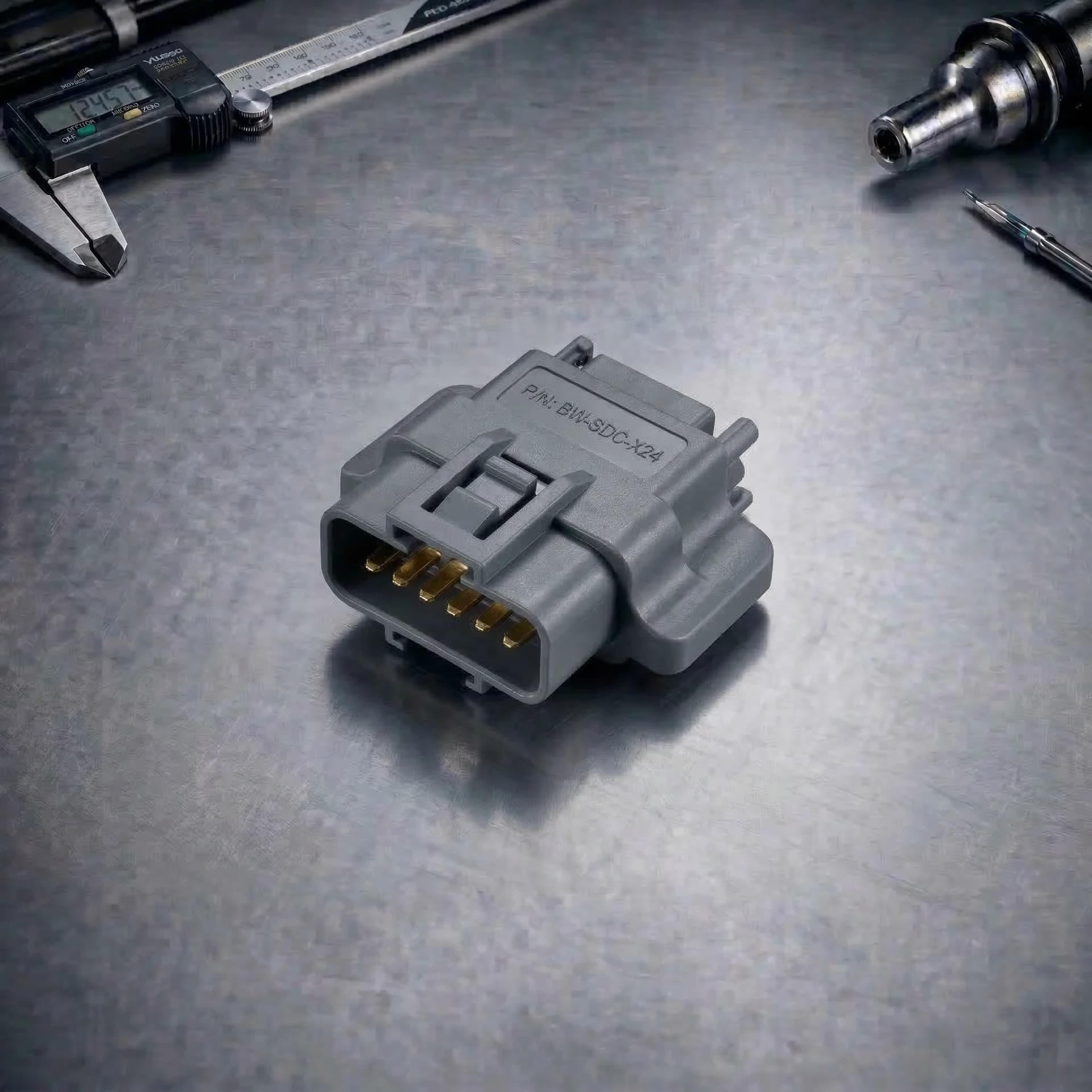
Electrical Terminals & Connector Components
Molded-in terminals and contacts with controlled coplanarity, insulation distances, and stable positioning for reliable electrical assemblies.
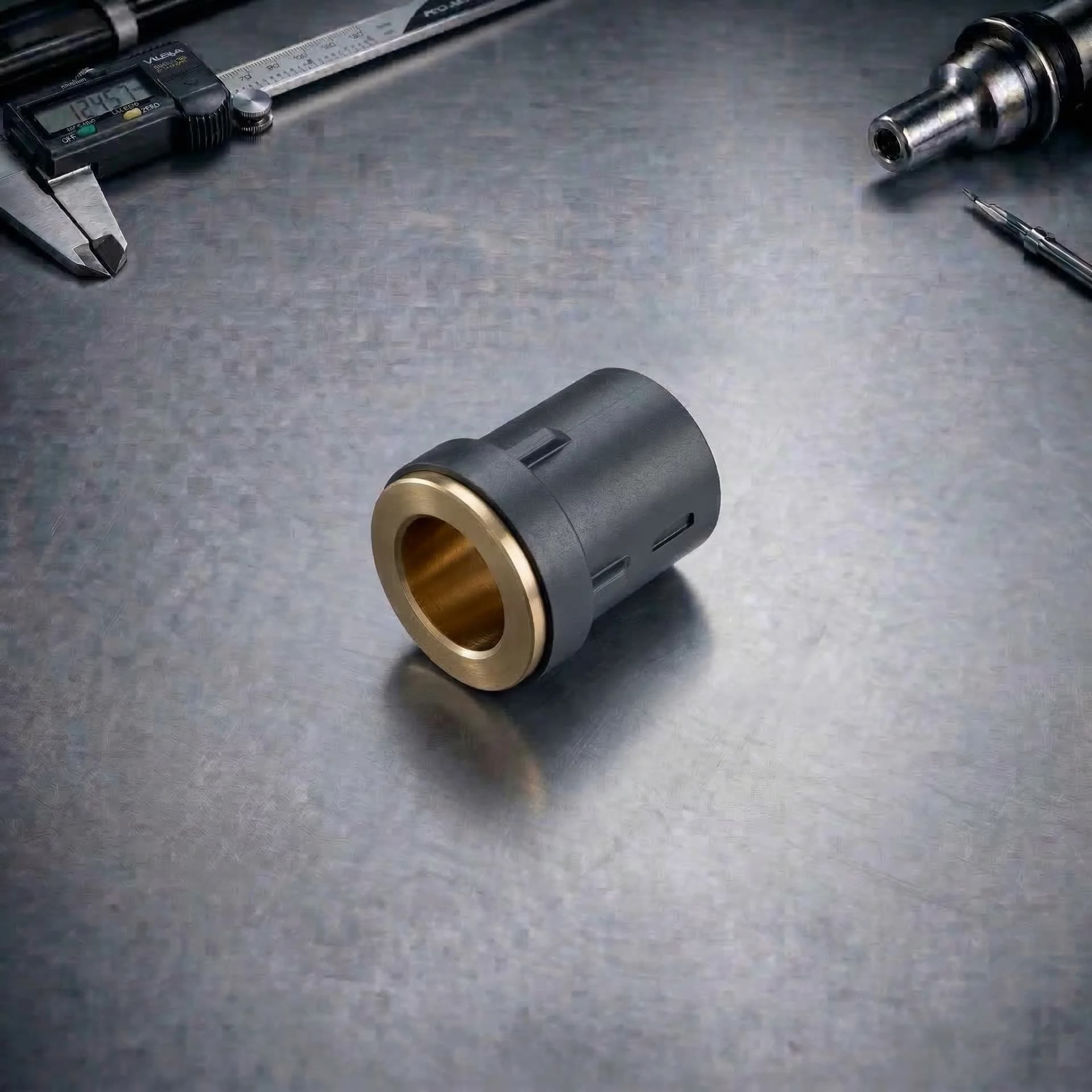
Wear Interfaces: Bushings, Pins & Reinforcement
Integrated bushings and reinforcement inserts for pivots, bearing bores, and load paths where wear and dimensional stability matter.
Insert Molding Industries
Industrial Equipment
Insert molded components with durable fastening points, stable alignment, and traceability to support ongoing builds and maintenance.

Automation & Robotics
Structural interfaces and electrical components where positional CTQs and retention testing reduce downtime and rework.

Electronics & Connectivity
Terminal and connector programs requiring high-temp resins, stable coplanarity, and controlled interfaces for reliable performance.

FAQs & Knowledge Base
Insert Molding FAQs
Ready for your next project with PREMSA?
Upload your STEP file, set material and quantity, and get DFM review with clear lead times and an online quote.