Fused DepositionModeling (FDM)
FDM printing built for functional performance and predictable fit. Orientation-driven strength planning, warp control, support strategy, and CTQ-first verification—across durable thermoplastics and reinforced options when required.
CTQ Focus
Fit + Strength Direction
Typical Lead Time
Days
Build Mode
Prototype → Mid Volume
Controlled FDM workflow
DfAM + orientation + build control + secondary ops for assembly-ready parts.
Fused Deposition Modeling (FDM) Services
Why Choose PREMSA for FDM
PREMSA delivers FDM (fused deposition modeling) for engineered thermoplastic parts where functional performance matters. We start by defining CTQs (datums, fits, hole quality, sealing lands, and cosmetic faces) and then plan orientation, perimeters/infill, and supports so strength direction and dimensional stability match the real load paths and assembly intent.
FDM success depends on controlling the core variation drivers: anisotropic strength (layer adhesion), warp from thermal gradients, support witness on cosmetic faces, and moisture-driven defects in hygroscopic polymers. We align material conditioning, build planning, and post-processing so parts assemble correctly and test reliably.
From prototype iterations to high-volume production, we support repeatable parameters, traceability, and secondary ops (heat-set inserts, tapping, drilling/reaming CTQ holes, and light machining of critical datums). You get parts that perform consistently—not prints that vary build-to-build.
What is FDM?
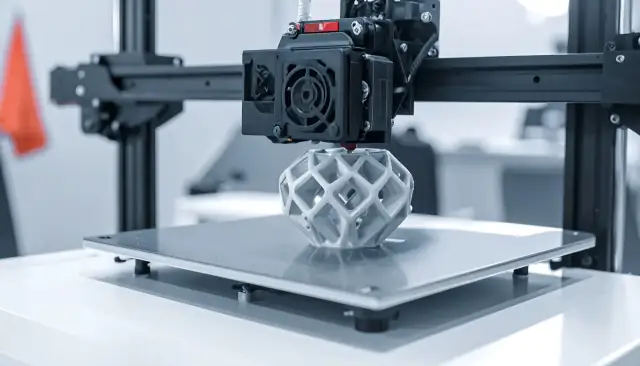
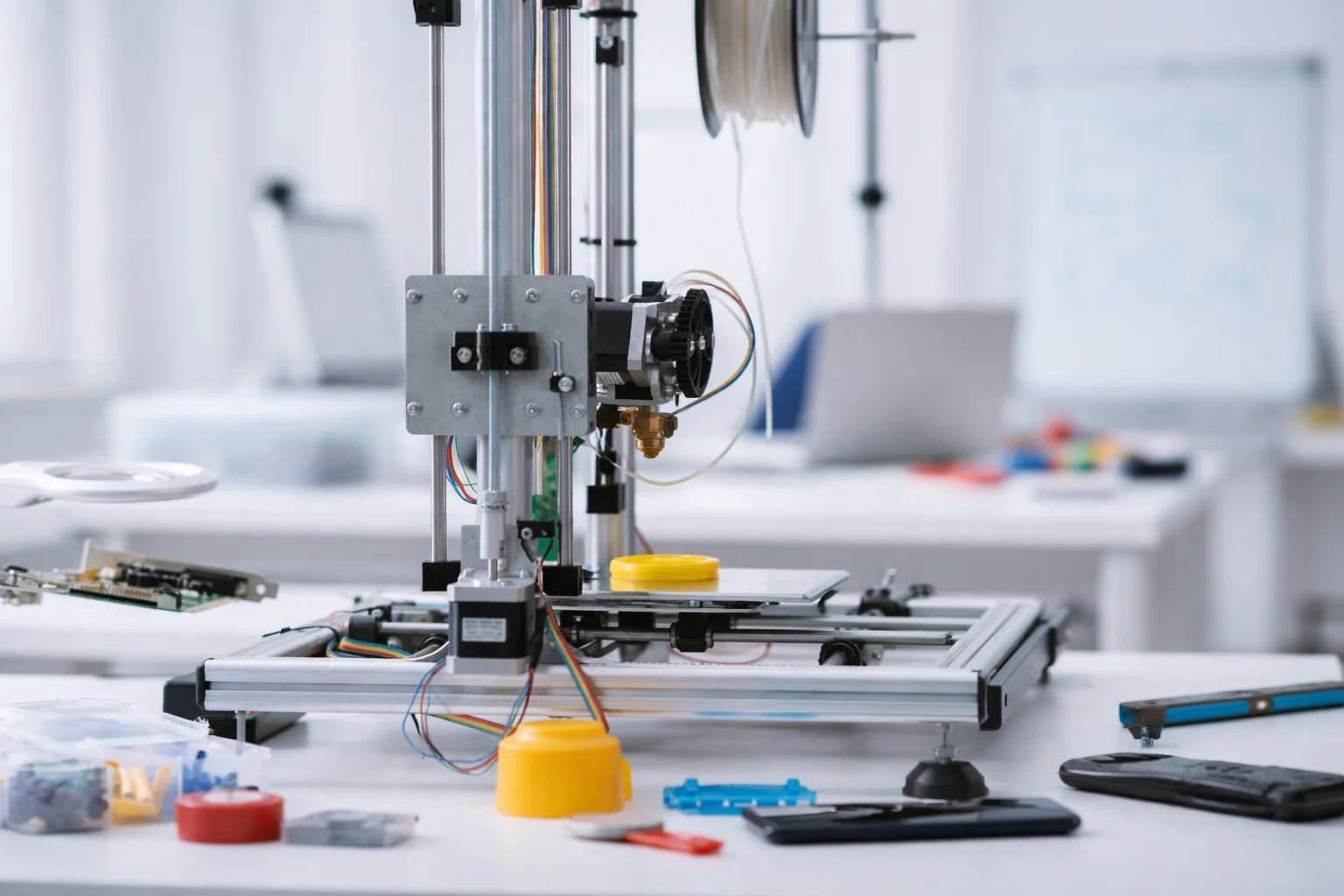
FDM is an additive manufacturing process that produces parts by extruding thermoplastic filament through a heated nozzle and depositing it layer-by-layer. It is widely used for functional prototypes, fixtures, and high-volume production because it supports durable materials and fast iteration without tooling.
Because FDM parts are built in layers, mechanical properties are directional. A successful FDM program balances orientation, perimeters/infill, material selection, and post-processing so the part meets fit, strength, and cosmetic requirements.
The FDM Workflow
A DfAM-first workflow that controls strength direction, warp risk, and CTQ outcomes.
1. File Intake & Requirements Definition
We review CAD + drawings and confirm environment, load cases, cosmetic expectations, CTQs, and target quantities.
2. DfAM Review (Orientation + Support Strategy)
We evaluate minimum features, overhang/bridging risk, anisotropy considerations, warp risk, and tolerance strategy based on mating surfaces and functional datums.
3. Material Selection + Conditioning Plan
We choose thermoplastic family (and reinforcement if needed) and define drying/storage discipline for moisture-sensitive materials (PA, PC, PETG, TPU).
4. Build Planning (Perimeters/Infill + Thermal Control)
We set orientation, supports, perimeters/infill, and thermal strategy to balance surface quality, strength direction, and dimensional stability.
5. Printing & In-Process Monitoring
Parts are produced with controlled parameters and basic monitoring aligned to material behavior and warp risk.
6. Post-Processing & Secondary Ops
Support removal, surface prep, optional smoothing program-based, inserts/tapping, and machining of critical datums/holes as required.
7. Inspection & CTQ Verification
We measure CTQs against agreed datums (fit surfaces, holes, sealing lands) and document results per program maturity and risk.
8. Packout & Release
Parts are protected for shipping and labeled for traceability when requested.
Supports, Warp Control & Thermal Management
Orientation-Driven Strength Planning
We align build direction to load paths and assembly forces to reduce layer-delamination risk and improve functional performance.
Warp Risk Management
We plan geometry, orientation, and thermal strategy to reduce curl/warp on long flats and thin walls, especially for ABS/PC families.
Support Strategy for Cosmetics + Datums
We place supports to protect cosmetic faces and CTQ datums, and we define witness zones so post-processing is controlled and repeatable.
Moisture Control for Hygroscopic Polymers
Drying and storage discipline reduce porosity, poor layer bonding, and dimensional drift in nylon, PC, PETG, and TPU families.
Interface Protection for Assembly
We plan for post-machining or inserts where repeatable assembly alignment, torque, or clamp loads exceed printed thread capability.
Repeatability for High-Volume Runs
We lock key parameters (material, orientation, perimeters/infill, support rules) to reduce build-to-build variation when parts become production items.
Technical Advantages
Functional Thermoplastics Without Tooling
Durable material families enable real mechanical testing and fixture production without waiting for molds.
Fast Iteration Cycles
Rapid design changes and quick rebuilds accelerate engineering learning loops.
Orientation-Controlled Strength
Strength strategy is planned—not assumed—so parts survive real load paths and clamp forces.
Controlled Post-Processing
Support removal and surface prep are managed to hit cosmetic and interface expectations.
Assembly-Ready Secondary Ops
Heat-set inserts, tapping, and machining of CTQ holes/datum faces deliver reliable assemblies.
High-Volume Production Value
Repeatable planning and CTQ checks support stable output when FDM becomes a production bridge.
FDM Capacity & Envelope
Part Size & Geometry Range
Feasibility depends on wall thickness, orientation, overhang strategy, and warp risk. Large flat parts may require orientation changes, ribs, or segmentation.
Reviewed by CTQ
Feature Resolution & Minimums
FDM supports durable parts but has layer-line texture and minimum feature limits. Thin walls and fine holes may need design tweaks or secondary machining.
Geometry-dependent
Throughput & Batching
Batch planning and nesting drive throughput. We balance packing density with support access, surface protection, and dimensional stability.
Prototype → Mid Volume
Not sure if FDM is the right fit?
Send CAD + requirements and request a DfAM + orientation review. We’ll align material choice, support strategy, and CTQs before you commit.
Quality & Process Control
FDM quality depends on controlling orientation, layer bonding, thermal behavior, and material moisture. Defining CTQs, datum strategy, cosmetic faces, and expected quantities up front enables repeatable planning and stable outcomes.
| Category | Technical Capability | Engineering Notes |
|---|---|---|
| CTQs, Datums, Gauging & Capability Targets | FDM programs are structured around CTQs that drive assembly: datum faces, hole location/size, sealing lands, and critical fits. Capability depends on orientation, shrink/warp behavior, and whether critical interfaces are post-machined. | Tolerance what matters for fit/function. If a face is a datum in assembly, consider post-machining or a design strategy that protects it from support witness and warp. |
| Layer Adhesion, Anisotropy & Strength Direction | Mechanical properties vary by build direction. Orientation, perimeters, and thermal settings influence layer adhesion and delamination risk under bending, torque, or clamp loads. | Share load paths and fastener/clamp intent. For high-torque threads, plan inserts or post-machined features rather than relying on printed threads. |
| Surface Finish, Layer Lines & Support Witness Control | FDM has visible layer lines and support contact marks. Finishing methods (sanding, media finish, coatings, program-based smoothing) are selected to match cosmetic targets and interface needs. | Define cosmetic faces and acceptable witness zones. If cosmetics are critical, specify finish targets and allowed post-processing methods. |
| Material Drying/Storage + Moisture Control (Hygroscopy) | Moisture affects extrusion quality, strength, and surface finish. Hygroscopic polymers (PA, PC, PETG, TPU) require controlled storage and drying to avoid porosity, weak layers, and dimensional drift. | Treat moisture control as a CTQ when performance matters. Define environment and exposure (temperature, fluids) so the correct material family is selected. |
Materials
Material selection drives strength, thermal resistance, chemical compatibility, surface quality, dimensional stability, and long-term performance. Share your environment, loads, tolerances, and critical features so we can recommend the right additive process and material family.
FDM Thermoplastics
FDM is widely used for engineering prototypes, fixtures, jigs, manufacturing aids, and low-volume functional parts. Mechanical performance depends on material family, wall design, infill strategy, and build orientation.
Post-Processing & Secondary Operations
Additive parts require controlled post-processing to achieve cosmetic grade, interface accuracy, and mechanical performance. Workflows are selected based on geometry, material, and end-use requirements.
Secondary Operations & Surface Options
FDM DfAM Guidelines (DFAM)
FDM is won or lost on orientation, thermal behavior, support witness, and CTQ definition. These DfAM rules reduce variation, protect fit, and improve functional strength.
| Design Feature | Recommendation |
|---|---|
| Wall Thickness, Bridging & Overhangs | Maintain consistent wall thickness and avoid long unsupported overhangs where possible. Use chamfers/fillets and design features to reduce support needs and improve surface quality. |
| Orientation, Supports & Witness Zones | Plan orientation to align strength with loads and to place support witness away from cosmetic faces and CTQ datums. Define witness zones on drawings when cosmetics matter. |
| Holes, Threads, Inserts & Post-Machining | Treat holes/threads as process-sensitive. Print holes undersized when needed and finish-machine CTQ fits. Use heat-set inserts for durable threads under repeated torque cycles. |
| Tolerances, Fits & Mating Surfaces | Treat mating surfaces and sealing faces as CTQs. Machine datums when repeatable assembly alignment is required and when warp/support witness would otherwise compromise function. |
| Infill, Perimeters & Strength Strategy | Use perimeter count and infill strategy to support load paths. Avoid assuming isotropic behavior—layer adhesion and orientation drive performance. |
| Drawing & Specification Checklist (FDM) | Define CTQs, datums, cosmetic faces + witness rules, environment/temperature/chemical exposure, load cases, expected quantity, material preference (and approved equivalents), and any requirements for inserts, machining, inspection evidence, or traceability. |
Applications & Industries
FDM Applications
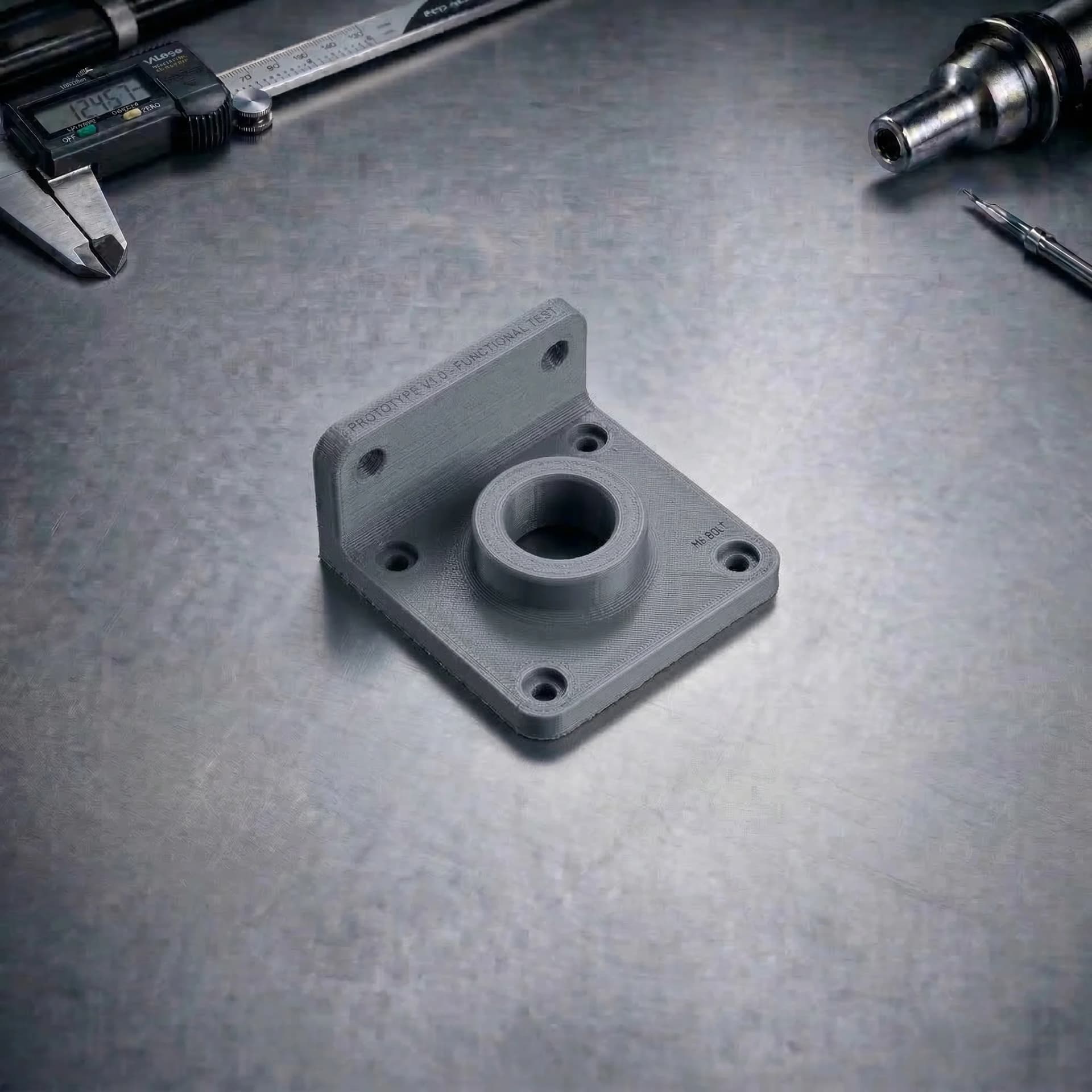
Functional Prototypes
Thermoplastic prototypes for form/fit and mechanical testing before tooling.
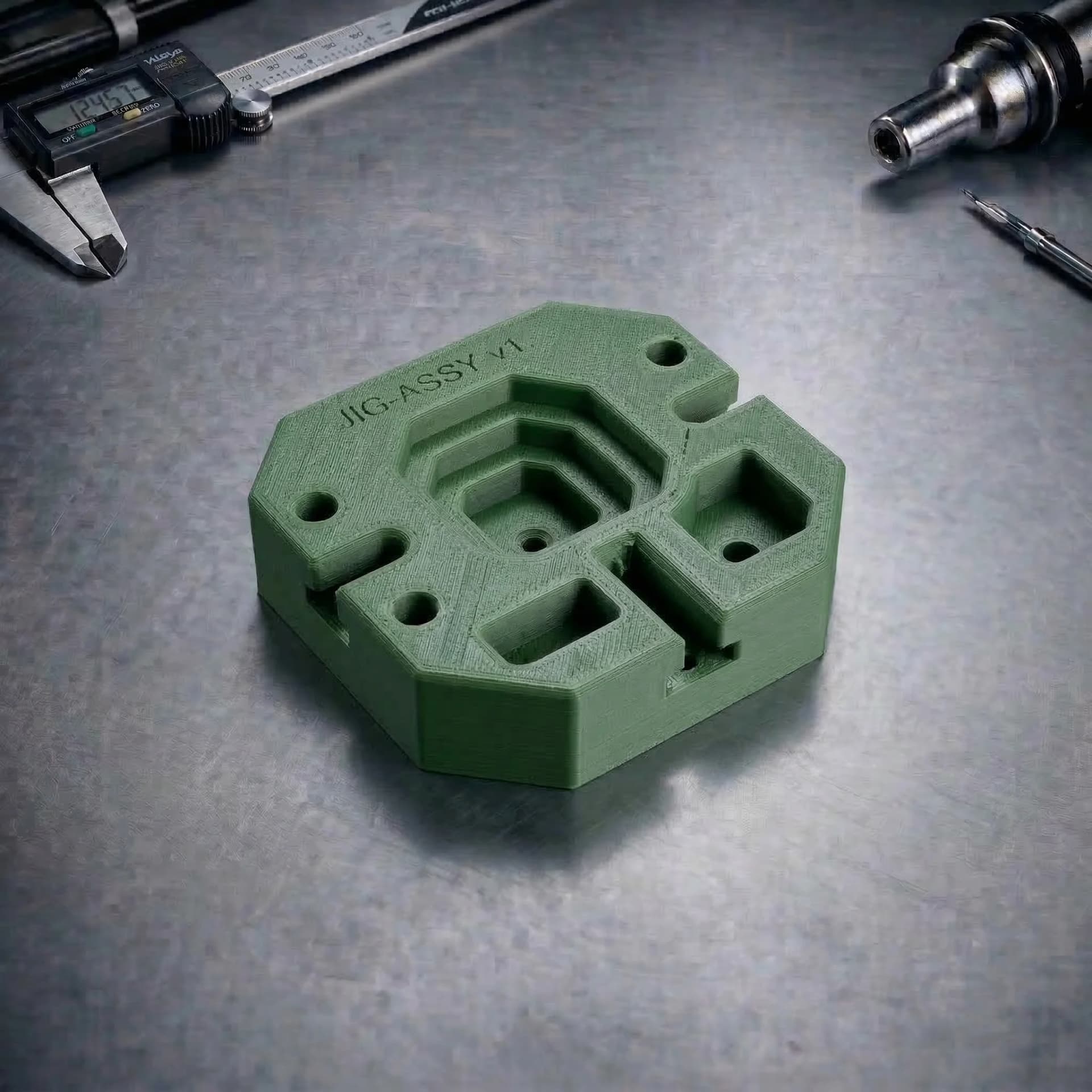
Jigs, Fixtures & Tooling Aids
Custom fixtures, soft jaws, gauges, and assembly aids built quickly to support manufacturing workflows.
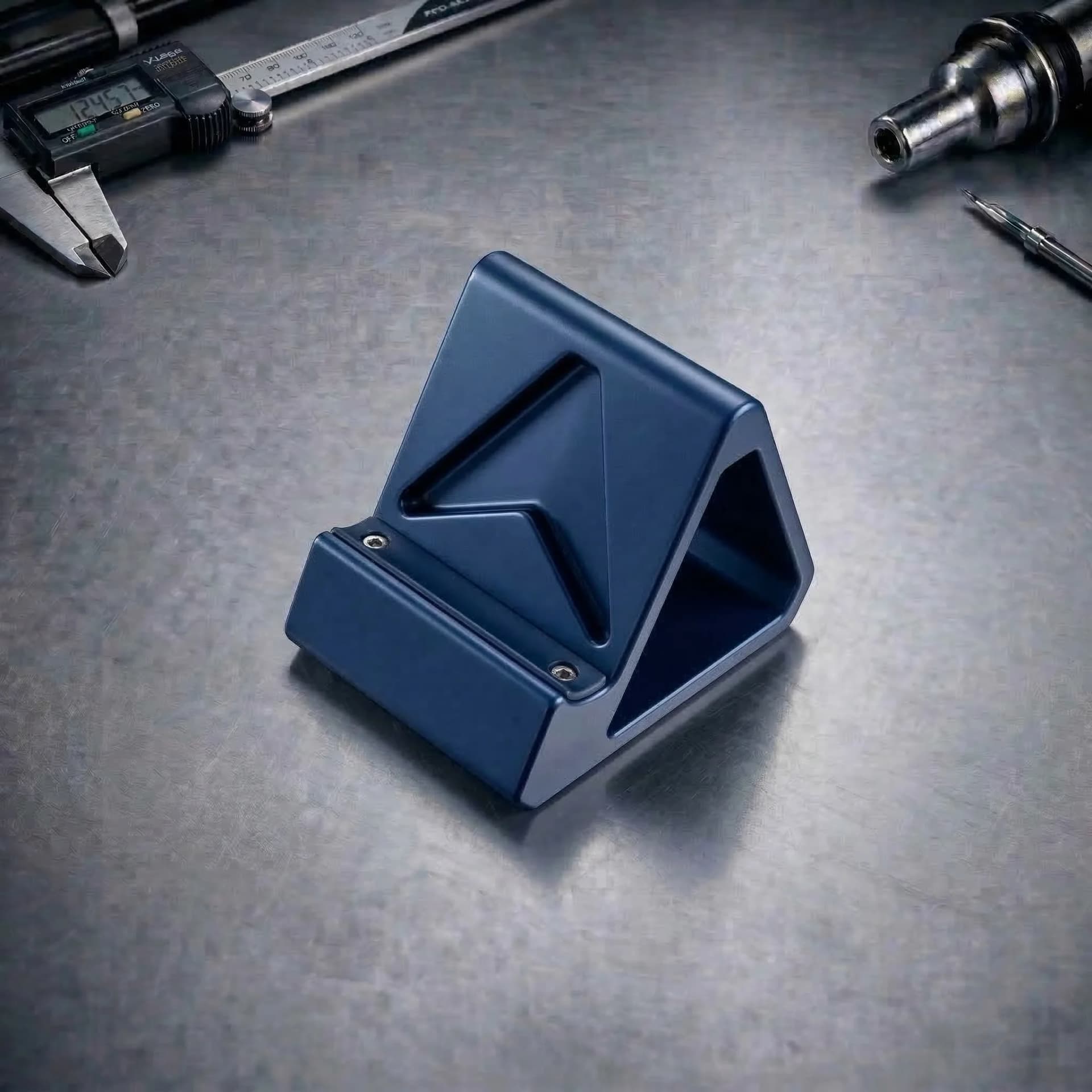
High-Volume End-Use Parts
Production bridge parts in engineering polymers or reinforced materials when tooling is not economical.
FDM Industries
Automotive
Rapid prototyping, interior components, fixtures, and validation parts used in automotive product development.

Consumer Products
Functional prototypes, design validation models, and low-volume parts for consumer product development.

Education
Engineering prototypes, research components, and functional models used in universities and technical programs.
FAQs & Knowledge Base
FDM FAQs
Fdm 3D Printing
— FDM, SLA/DLP, SLS, MJF, and metal DMLS/SLM — and cross-reference CNC machining when you need post-machined tolerances.
Request a quote when you have 3D files, material, and finish defined.
PREMSA ecosystem
Services, guides, and tools for FDM 3D printing
We operate from Monterrey for engineering teams across Mexico and North America. We deliver functional FDM prototypes and end-use plastics with ISO 2768 tolerances, engineering materials, and prototype-to-production routes. Use the technical references below and quote online with STEP or STL files.
Additive technologies
Engineering tools
- Interactive chart
ISO 2768 Tolerance Chart
General linear and geometric tolerances for machined and formed features.
View chart - Calculator
Tap Drill Size Calculator
Hole diameters for metric, UNC, UNF, and NPT threads.
Open tool - Reference chart
Drill Bit Size Chart
Number, letter, and fractional drill diameters.
View chart
- What should I upload for an FDM quote?
- Upload 3D CAD (STEP preferred) and any drawings defining CTQs (datums, fits, hole requirements, sealing faces), cosmetic faces and allowed witness zones, load cases, environment (temperature/chemicals), target quantity, and any requirements for inserts, post-machining, or inspection documentation.
- How do you manage strength in FDM parts?
- We plan orientation and perimeter/infill strategy around load paths because FDM properties are directional. For torque/clamp loads, we often recommend heat-set inserts or post-machined interfaces rather than relying on printed threads.
- How do you control warp on larger parts?
- We manage warp by combining geometry review, orientation, thermal strategy, and material selection. For warp-prone families (ABS/PC), we plan features and build settings to reduce thermal gradients and curl.
- Can you hit tight fits and hole tolerances with FDM?
- Critical fits often require secondary ops. We print with a tolerance strategy and then drill/ream or lightly machine CTQ holes and datums when repeatable assembly alignment is required. Use our ISO 2768 chart and tap drill calculator when specifying mating features.
- Do you support inserts and secondary ops?
- Yes. We support heat-set inserts, tapping (program-based), drilling/reaming, and light machining of critical datums, plus controlled surface prep and finishing options as specified.
- What drives cost in FDM printing?
- Key drivers include material type, part volume, orientation/support requirements, print time, post-processing steps, and whether CTQ features require inserts or machining.
Ready for your next project with PREMSA?
Upload your STEP file, set material and quantity, and get DFM review with clear lead times and an online quote.