
In regional industry, fast CNC machining in Monterrey has become a necessity for anyone who needs a part now: from a machine shop or a production line to a personal project. When a line stops because of a critical spare part, when a prototype must be validated before production release, or when a launch depends on one more iteration, every day of lead time affects cost, delivery, and operational continuity.
Reducing delivery times does not mean simply "machining faster." In practice, much of the delay happens before the part reaches the machine: incomplete files, engineering revisions, manufacturing questions, material availability, special finishes, or last-minute changes.
This guide explains how to accelerate urgent CNC projects in Monterrey: what information to send from the start, which design decisions help reduce lead times, and how clear communication with the shop can eliminate days—or even weeks—of friction.
If you want more context on capabilities and manufacturing in the region, see our CNC machining in Monterrey page, our guide to CNC machining in Monterrey, and our analysis of CNC machining services for regional industry.
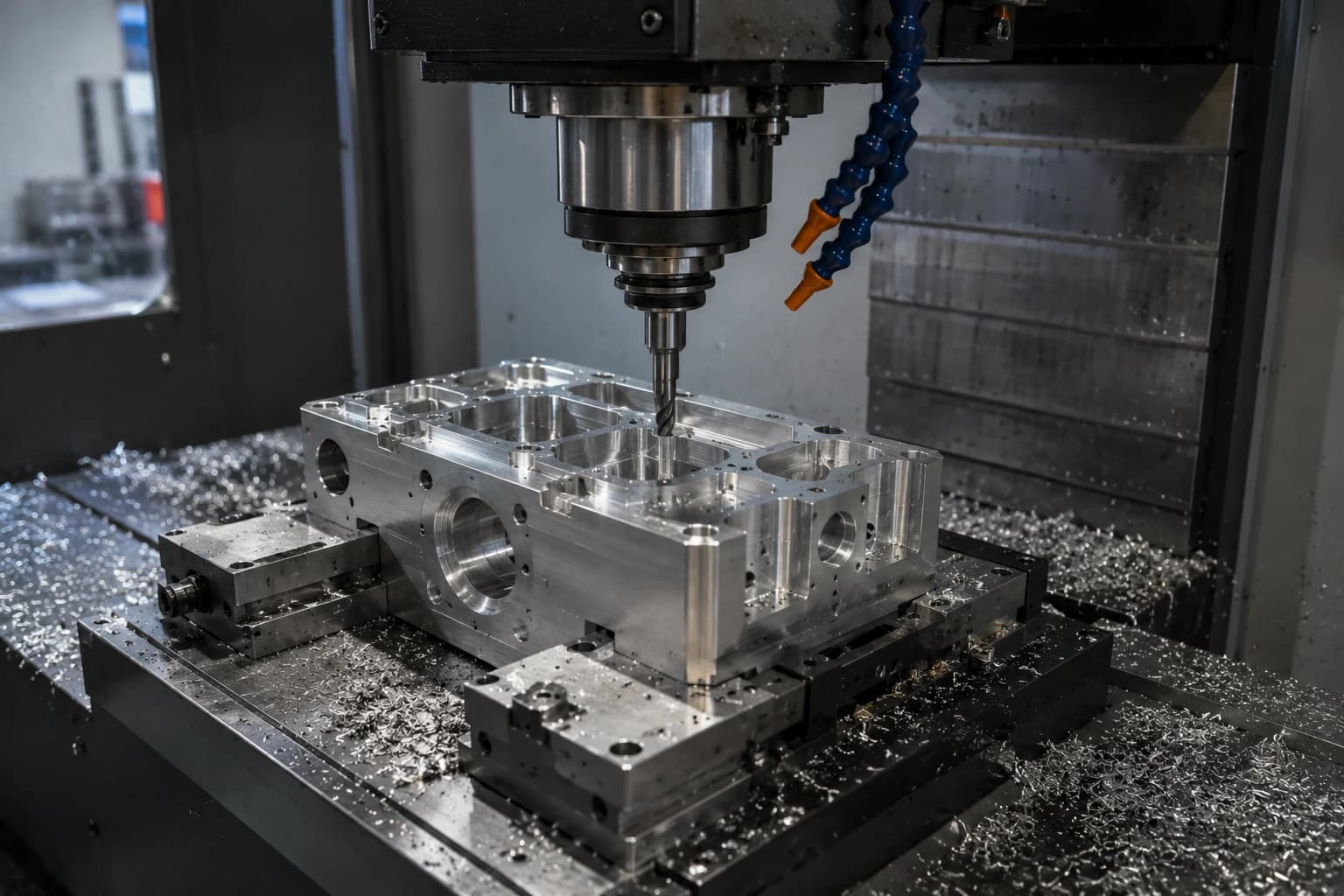
Why do CNC machining projects get delayed?
CNC machining remains one of the most reliable processes for precision components in aluminum, steel, stainless steel, and engineering plastics. On urgent projects, however, speed depends as much on manufacturing capacity as on how well the project is prepared.
An efficient flow starts long before the first cut: CAD file review, tolerance validation, material selection, CAM programming, tooling, setups, inspection, and finish coordination. When these stages are not aligned from the start, even relatively simple parts can suffer unnecessary delays.
In many cases, problems do not come from the CNC machine itself, but from incomplete information, design changes during production, or secondary processes that were not planned in the initial RFQ. When engineering and manufacturing work with clear information from day one, it is realistic to go from CAD files to machined parts in a few business days for prototypes, industrial spare parts, and low-volume production.
At PREMSA Industries we support CNC milling, CNC turning, mill-turn, and precision manufacturing with technical review, integrated capabilities, and online quoting for projects that need agile response times.
Why lead time is critical in modern manufacturing
In modern manufacturing, reducing lead times is no longer just an operational goal—it is a competitive advantage. In industries such as automation, automotive, industrial devices, and product development, how fast a team can move from CAD design to a functional part affects validations, production ramp-ups, and customer commitments.
In Monterrey, where much industrial activity depends on fast supply chains and nearby technical support, urgent projects are common. A critical spare part can stop an entire line, a fixture can delay an automation integration, and a prototype can determine whether a project moves to the next stage.
Manufacturing also competes on speed of learning. Each physical iteration reveals problems that CAD often hides: interferences, fit issues, insufficient stiffness, assembly problems, or tolerances incompatible with real production. The faster the cycle between design, manufacturing, and validation, the faster the product matures.
That is why fast CNC machining has become essential for any project that needs less friction between design and manufacturing.
Manufacturing lead time vs. total delivery time
One of the most common mistakes on urgent projects is assuming lead time starts when the machine begins cutting material. In reality, much of the time is consumed before production: CAD review, DFM validation, CAM programming, material purchasing, setups, inspection, and finish coordination.
Total time until parts arrive at your plant also includes logistics, shipping, and in some cases customs or moves between subcontractors. Manufacturing locally in Monterrey can eliminate days—or even weeks—of transit and unnecessary coordination.
When a supplier integrates processes such as CNC milling, CNC turning, and secondary operations under one workflow, delays from third parties or transfers between shops can drop significantly.
| Stage | What happens | How to speed it up |
|---|---|---|
| RFQ and quoting | CAD, material, quantity, and finish review | Send a clean STEP file and complete specifications |
| Engineering / DFM | Geometry and manufacturability validation | Define CTQs and critical tolerances upfront |
| Material | Raw material purchase or preparation | Use stock materials such as 6061 or 1018 |
| Programming and setup | CAM, tooling, and machine preparation | Reduce setups and unnecessary geometry |
| Machining and inspection | Manufacturing, measurement, and release | Use reasonable tolerances on non-critical features |
| Secondary finishes | Anodizing, paint, or heat treatment | Postpone cosmetic finishes on prototypes |
Why do CNC projects get delayed?
Most delays on urgent CNC machining projects do not happen during material cutting, but before the part reaches the machine. Incomplete information, late revisions, special materials, or difficult geometries often create more delay than actual machining time.
In many cases, the issue is not shop capacity, but friction between design, purchasing, and manufacturing. An ambiguous RFQ, design changes after production approval, or unrealistic expectations can force CAM reprogramming, tool changes, setup restarts, or even re-ordering material.
For urgent projects in Monterrey, identifying these blockers early helps cut days—or weeks—of unnecessary delay. In our experience, the most common problems fall into three areas: incomplete files and specifications, materials or finishes that take a long time to source, and geometries that complicate production without adding functional value.
Incomplete files and engineering revisions
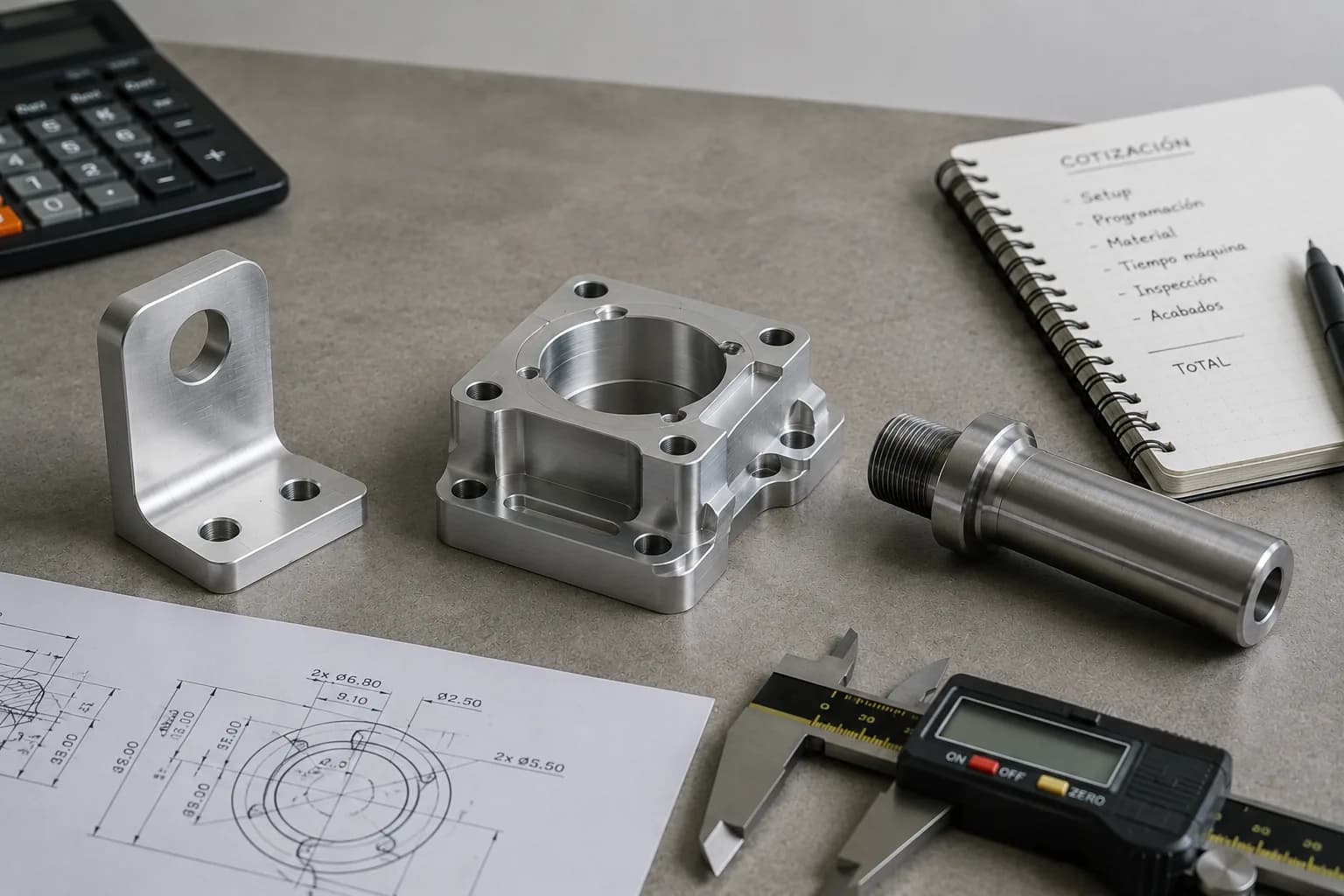
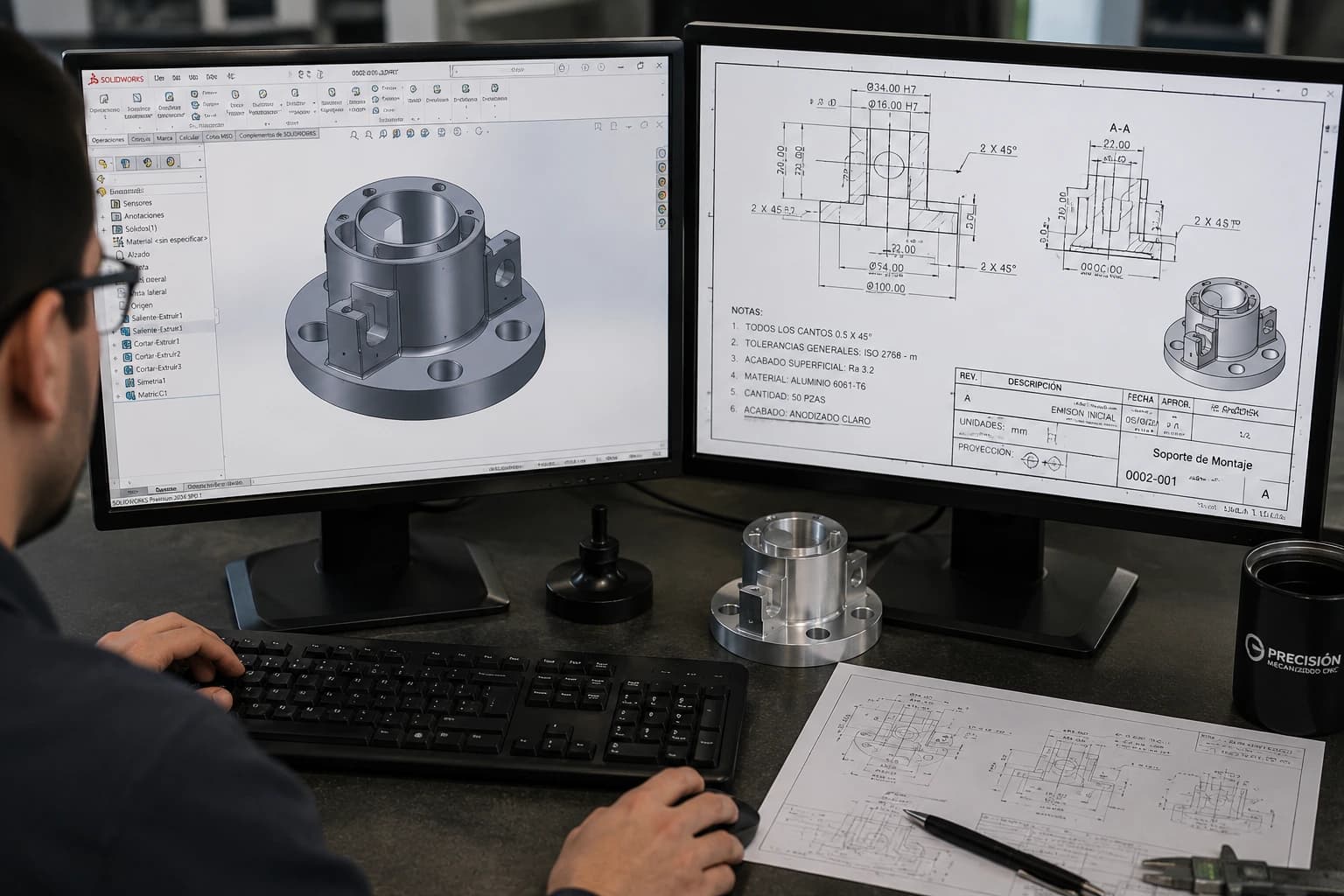
One of the most frequent mistakes on urgent CNC projects is sending only a STEP file with no additional context. When the supplier lacks clarity on material, quantities, critical tolerances, finishes, threads, or real project priority, quoting fills with questions and validations that consume time.
Late revisions are also extremely costly for lead time. Changing a dimension after CAM programming, modifying geometry after material is prepared, or adding inspection requirements not in the original scope can stop production entirely.
We recommend preparing the RFQ with a clear technical package from the start, similar to the workflow in our guide on CAD files for CNC machining quotes. The fewer clarifications needed between engineering and manufacturing, the faster the project moves.
On urgent projects, one rule usually holds: every unnecessary email loop adds time to real lead time.
- 3D model: clean STEP/STP with solid geometry and no export errors.
- 2D drawing: PDF with critical tolerances, threads, finishes, and relevant notes.
- Project context: quantity, material, priority, and part application.
- Controlled revision: avoid CAD changes after quote approval without notifying a new revision.
Materials and finishes with long lead times
Even when CNC machining capacity is available, an urgent project cannot move forward if material is not in stock. Special alloys, uncommon thicknesses, or high-performance engineering plastics can add days—and sometimes weeks—to the manufacturing calendar.
The same applies to many secondary processes. Finishes such as hard anodizing, powder coat, passivation, chrome plating, or mirror polish usually require external vendors, adding transit time, production queues, and extra validation before release.
For prototypes and urgent projects, a common strategy is to build initially as machined or with minimal finish, validate function and assembly, and apply cosmetic finishes only on the final revision. Materials such as Aluminum 6061-T6, Steel 1018, and Acetal (Delrin) often offer one of the best balances of availability, machinability, and response speed in Monterrey.
Tolerances and geometries that complicate production
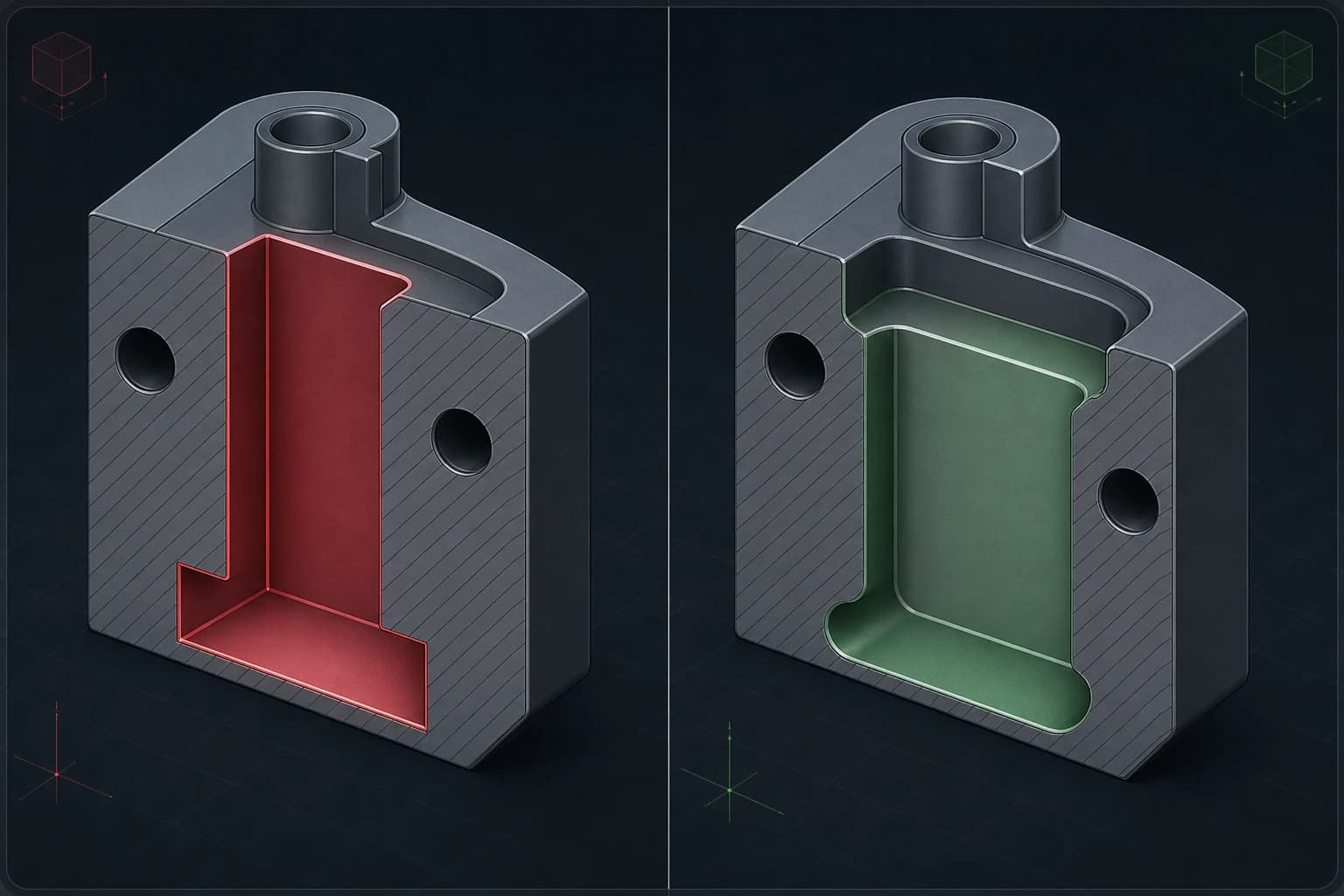
Lead time often increases not because of functional complexity, but because specifications make the process slower to machine and inspect. Applying tight tolerances across the entire part, using deep narrow pockets, or designing features incompatible with standard tools can significantly increase programming, setup, and machining time.
Features such as thin walls, radii that are too small, or multiple machining orientations often require special tools, more passes, and extra setups. Each critical tolerance also increases inspection and dimensional validation load.
On many urgent projects, using general tolerances per ISO 2768-m and documenting only truly functional CTQs speeds manufacturing without hurting part performance. Design for manufacturing (DFM) remains one of the most effective ways to reduce lead time before the machine is even prepared.
How to speed up a CNC quote
On urgent projects, quoting should not become a bottleneck either. When the technical package is well structured, a supplier can review manufacturability, estimate operations, and validate availability much faster.
The goal of an efficient RFQ is not only price: it is an actionable response as quickly as possible, including realistic lead time, manufacturing risks, and any missing information before releasing production.
What files to send
As a baseline, send a clean STEP/STP file per part or assembly, plus a PDF when critical tolerances, cosmetic requirements, special threads, or inspection notes apply.
Beyond CAD, the RFQ should include quantity, material, finish, project priority, and target date. If the job is an urgent spare part, functional prototype, or repeat production, stating that upfront helps define manufacturing strategy and response times.
You can also request a quote online by uploading files directly; the more complete the information package, the fewer back-and-forth iterations you will need.
How to structure an efficient RFQ
An efficient RFQ should let engineering and manufacturing understand the project in minutes. The most practical approach is to organize each line item with part name, quantity, material, finish, and a clear reference to the corresponding CAD file.
Also specify whether the project is a prototype, pilot lot, or repeat production, since each scenario changes setup, inspection, and cost priorities.
On urgent industrial projects—especially in automation or maintenance—photos of the assembly context or damaged part can help prioritize functional dimensions and reduce unnecessary clarifications.
Information that reduces back-and-forth and corrections
- Target date and real project priority.
- Material and finish required from the start.
- Critical tolerances clearly identified.
- Threads, inserts, or special features documented.
- Inspection requirements or dimensional reports.
- Logistics: delivery, pickup, or shipping.
- Revision number or history if repeating prior work.
When technical information is consistent from the start, you and the shop can move much faster. On urgent projects, clarity usually translates directly into fewer corrections, less rework, and lower total lead time.
Strategies to reduce manufacturing times
Once the quote is approved, much of lead time depends on design, manufacturing, and technical coordination decisions. On urgent projects, small improvements in DFM, material selection, or fewer secondary processes can save full production days without compromising quality.
The following strategies have some of the highest impact for accelerating CNC machining projects in prototypes, industrial spare parts, and low-volume production.
Design parts for manufacturing (DFM)
Design for manufacturing (DFM) aligns CAD with real CNC milling, CNC turning, and standard tooling processes. Easy-to-machine features usually mean fewer setups, faster programming, and lower rework risk.
Internal radii compatible with standard tools, shallower pockets, reasonable thread depth, and geometries accessible from fewer orientations directly reduce CAM time, machine preparation, and manufacturing time.
On urgent projects, early DFM review is often one of the most effective ways to save time before production even starts. Our CNC machining design guide explains common practices to speed manufacturing without hurting functionality.
Choose materials with better availability
Material selection also directly impacts lead time. In Monterrey, common materials such as Aluminum 6061-T6, Steel 1018, stainless steel 304, and engineering plastics such as acetal or nylon often allow fast production starts thanks to local availability.
By contrast, special alloys, uncommon thicknesses, or imported materials can delay projects before the machine is even prepared.
For prototype or functional validation applications, choosing more accessible materials during early iterations can significantly speed delivery and make material easier to get.
Reduce unnecessary secondary processes
Each secondary process adds time to the manufacturing flow. Finishes such as anodizing, paint, polishing, or heat treatment usually require external coordination, transit time, and additional production queues.
For urgent prototypes or quick validations, as machined parts or light deburring are often enough before confirming geometry and assembly.
When a finish is functional or mandatory—for example hard anodizing or corrosion protection—define it in the initial RFQ to avoid calendar changes during production.
Benefits of manufacturing locally in Monterrey
In regional industry, fast CNC machining in Monterrey has become a necessity for anyone who needs a part now: from a machine shop or a production line to a personal project. When a line stops because of a critical spare part, when a prototype must be validated before production release, or when a launch depends on one more iteration, every day of lead time affects cost, delivery, and operational continuity.
Reducing delivery times does not mean simply "machining faster." In practice, much of the delay happens before the part reaches the machine: incomplete files, engineering revisions, manufacturing questions, material availability, special finishes, or last-minute changes.
This guide explains how to accelerate urgent CNC projects in Monterrey: what information to send from the start, which design decisions help reduce lead times, and how clear communication with the shop can eliminate days—or even weeks—of friction.
If you want more context on capabilities and manufacturing in the region, see our CNC machining in Monterrey page, our guide to CNC machining in Monterrey, and our analysis of CNC machining services for regional industry.
Urgent CNC machining: which project types can be accelerated
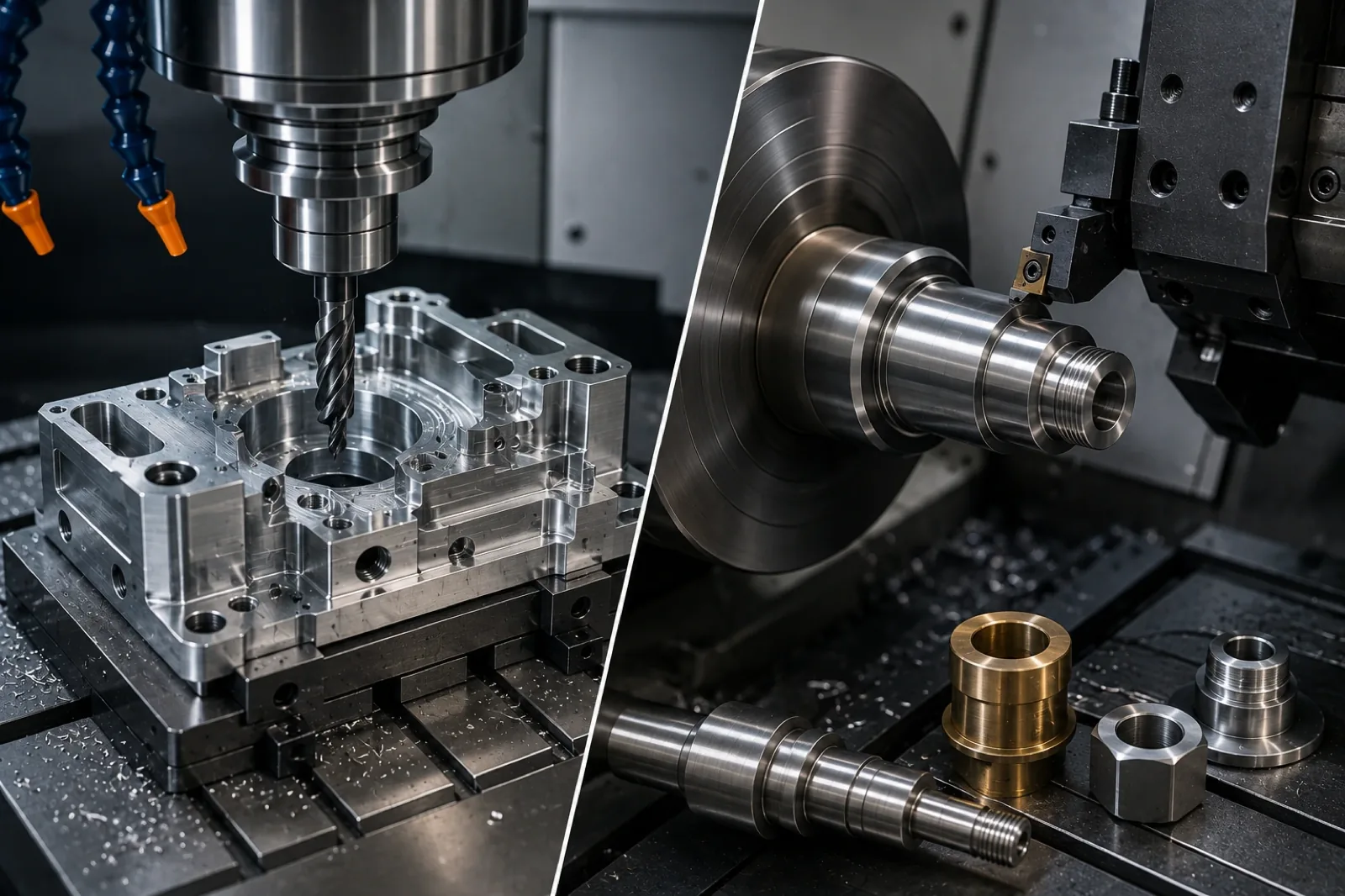
Not every project can—or should—be promised on extremely short timelines. Real lead time depends on geometry, material, finishes, quantity, and required inspection level. However, some categories can see significantly shorter delivery when a supplier has agile processes and integrated manufacturing capacity.
In Monterrey, the most common urgent projects are functional prototypes, industrial spare parts, and low-volume production—especially when the design is well prepared and materials are locally available.
Functional prototypes
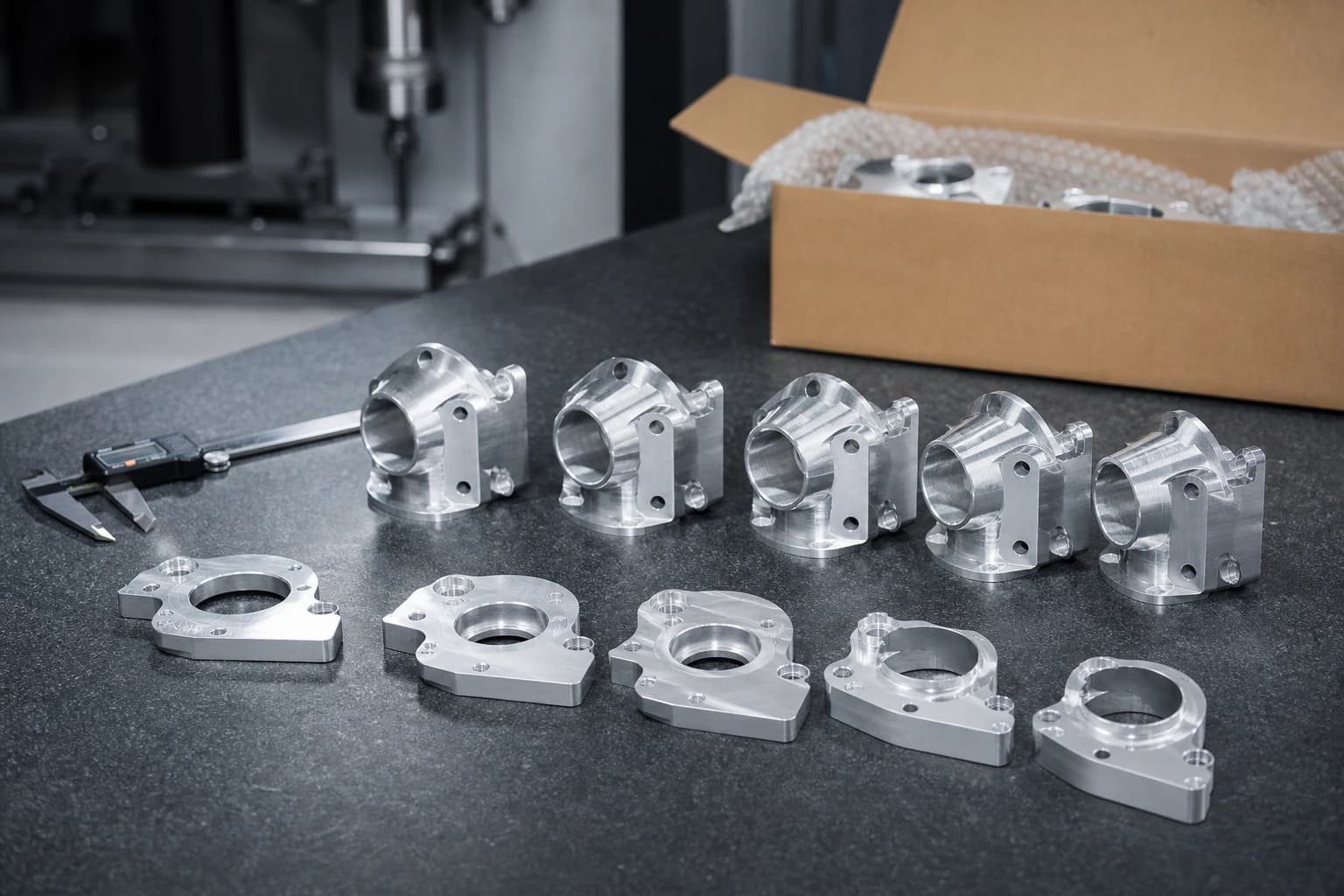
CNC prototypes are one of the most frequent urgent manufacturing cases. It's common to need fast parts to validate assemblies, ergonomics, fluid flow, interferences, or mechanical performance before production release.
When the project uses accessible materials such as aluminum or engineering plastics and the CAD package is well prepared, first-iteration manufacturing times can drop considerably.
At this stage the goal is usually not cosmetic—it is to learn fast. That is why many prototypes are built initially with minimal finishes, functional tolerances, and small quantities before investing in more complex processes.
Industrial spare parts
In industrial maintenance and automation, a spare part can quickly become a critical production problem. Components such as brackets, adapters, bushings, special bolts, plates, or fixture parts often need fast response to avoid stopped lines or operational delays.
In many cases the project starts with only a physical sample or damaged part. An experienced manufacturer can support reverse engineering, dimensional validation, and accelerated manufacturing when function and required material are clear.
For these projects, avoiding unnecessary tolerances and prioritizing functional features is often key to reducing lead time.
Low-volume production
Low-volume CNC production sits between prototype and mass manufacturing. Speed still matters, but repeatability, dimensional consistency, and more stable processes are also required.
Lead time is often optimized by reusing CAM programs, standard tooling, and previously validated setups. When the design stays stable between iterations, future deliveries can accelerate significantly.
For companies that need small lots without high MOQs, this approach maintains flexibility while reducing response times for recurring production.
How PREMSA Industries helps reduce lead times
At PREMSA Industries we focus on reducing friction between design and manufacturing on urgent projects. The goal is not to promise unrealistic timelines, but to create clarity from the start: identify risks, validate manufacturability, and maintain fast technical communication throughout the process.
For CNC machining in Monterrey projects, this enables faster decisions on materials, tolerances, setups, and secondary processes before committing to delivery dates.
Fast file review
When we receive CAD files, we review manufacturability before releasing production: tool access, pocket depth, critical tolerances, material, and possible setup risks.
If we detect something that could increase lead time or complexity, we propose alternatives early—for example simplifying a feature, adjusting non-critical tolerances, or using materials with better availability.
This approach helps avoid a common urgent-project problem: approving manufacturing quickly and then discovering constraints that delay production.
Integrated manufacturing capabilities
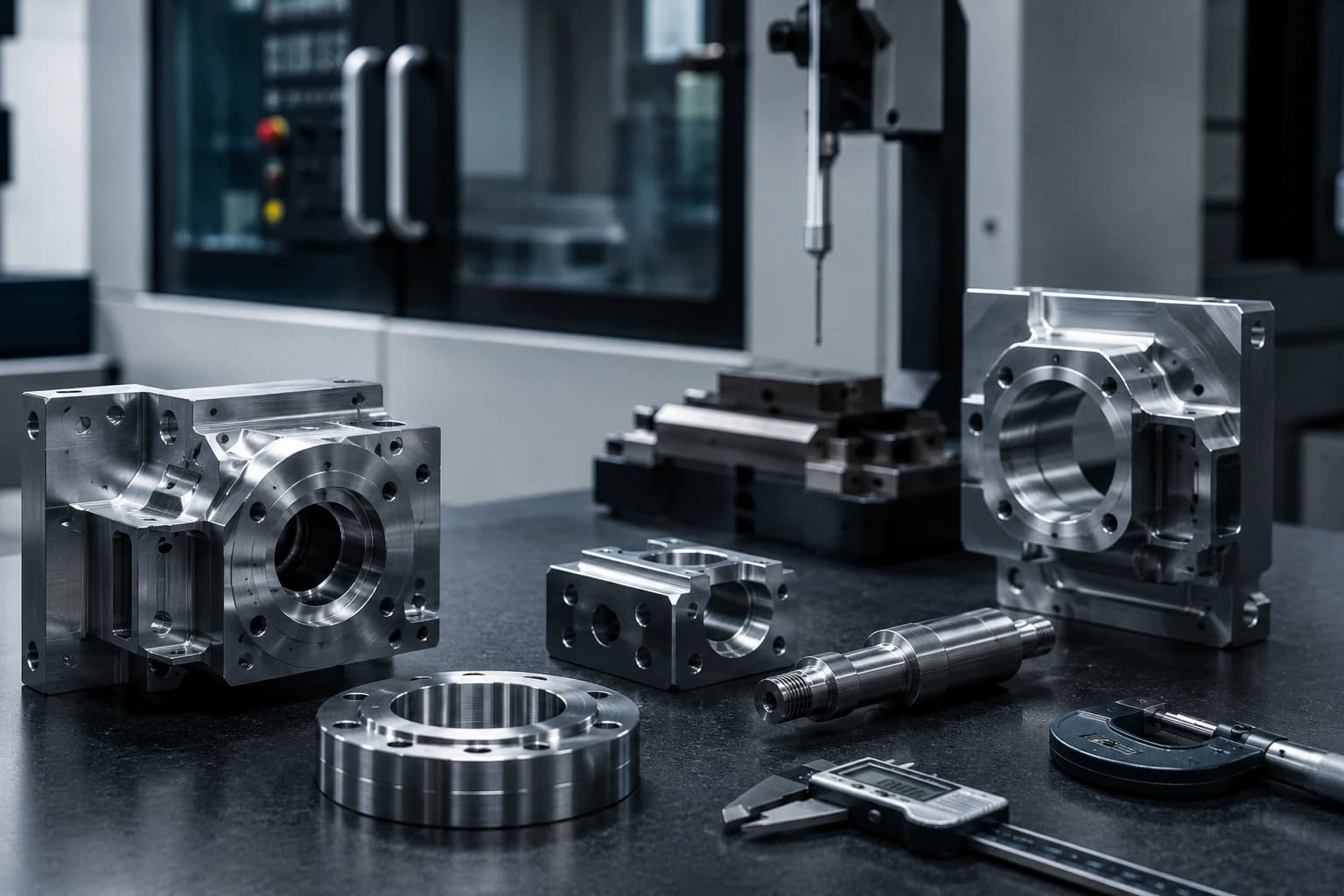
We integrate CNC milling, CNC turning and drilling and threading to build everything from plates and housings to shafts, adapters, and precision components.
Fewer handoffs between multiple suppliers helps minimize idle time, loss of technical context, and delays from external coordination—especially in automation, industrial machinery, and low-volume production projects.
Support for urgent projects
Low-volume CNC production sits between prototype and mass manufacturing. Speed still matters, but repeatability, dimensional consistency, and more stable processes are also required.
Lead time is often optimized by reusing CAM programs, standard tooling, and previously validated setups. When the design stays stable between iterations, future deliveries can accelerate significantly.
For companies that need small lots without high MOQs, this approach maintains flexibility while reducing response times for recurring production.
Frequently asked questions about fast CNC machining in Monterrey
Quick answers on quoting, lead times, urgencies, and CNC manufacturing for industrial projects in Monterrey.
- How long does a CNC quote take?
- It depends on project complexity and how complete the RFQ is. When CAD files, material, quantities, and finishes are clearly defined, many projects can be quoted the same business day or within 24–48 hours.
- What affects delivery time the most?
- The biggest lead time drivers are usually incomplete files, out-of-stock materials, unnecessarily tight tolerances, complex geometry, and secondary finishes that require external vendors.
- Can you manufacture urgent parts?
- Yes. At PREMSA Industries we support urgent prototype, industrial spare part, and low-volume CNC production projects when design, material, and processes allow a responsible timeline.
- What files do I need to send?
- Ideally one STEP/STP file per part plus a PDF when critical tolerances, threads, finishes, or inspection notes apply. Including quantity, material, and target date from the start also helps.
- Does manufacturing in Monterrey help reduce lead time?
- Yes. For companies in Nuevo León and northern Mexico, local manufacturing usually reduces logistics time, simplifies engineering communication, and speeds deliveries on urgent projects.
- Which materials usually have the best availability?
- Common materials such as Aluminum 6061-T6, Steel 1018, Stainless Steel 304, and engineering plastics such as Acetal typically allow faster response in Monterrey.
It depends on project complexity and how complete the RFQ is. When CAD files, material, quantities, and finishes are clearly defined, many projects can be quoted the same business day or within 24–48 hours.
The biggest lead time drivers are usually incomplete files, out-of-stock materials, unnecessarily tight tolerances, complex geometry, and secondary finishes that require external vendors.
Yes. At PREMSA Industries we support urgent prototype, industrial spare part, and low-volume CNC production projects when design, material, and processes allow a responsible timeline.
Ideally one STEP/STP file per part plus a PDF when critical tolerances, threads, finishes, or inspection notes apply. Including quantity, material, and target date from the start also helps.
Yes. For companies in Nuevo León and northern Mexico, local manufacturing usually reduces logistics time, simplifies engineering communication, and speeds deliveries on urgent projects.
Common materials such as Aluminum 6061-T6, Steel 1018, Stainless Steel 304, and engineering plastics such as Acetal typically allow faster response in Monterrey.
Conclusion: less friction, faster deliveries
Reducing lead times on CNC machining in Monterrey is not only about running the machine faster. Real speed comes from eliminating friction between design and manufacturing from the start of the project.
When the RFQ is well prepared, material is available, and design decisions account for manufacturability, response times for prototypes, industrial spare parts, and low-volume production can drop significantly.
At PREMSA Industries we support urgent CNC projects with technical review, integrated capabilities, and direct communication so projects move forward with realistic dates and less rework.
If you have an urgent project, request a quote with STEP files, quantities, and specifications, or visit our CNC machining in Monterrey page to learn more about processes, materials, and industries we serve.
If you are preparing or optimizing designs, see our CNC machining design guide.

Written by
Adrian Cavazos and the PREMSA Engineering Team
Adrian Cavazos, founder of PREMSA Industries, leads a manufacturing engineering team specialized in CNC turning and milling, 3D printing, and production-ready solutions. The team works closely with customers to optimize designs, improve manufacturability (DFM), and ensure reliable, scalable production from prototypes to volume manufacturing.