Precision
Sheet Metal Fabrication
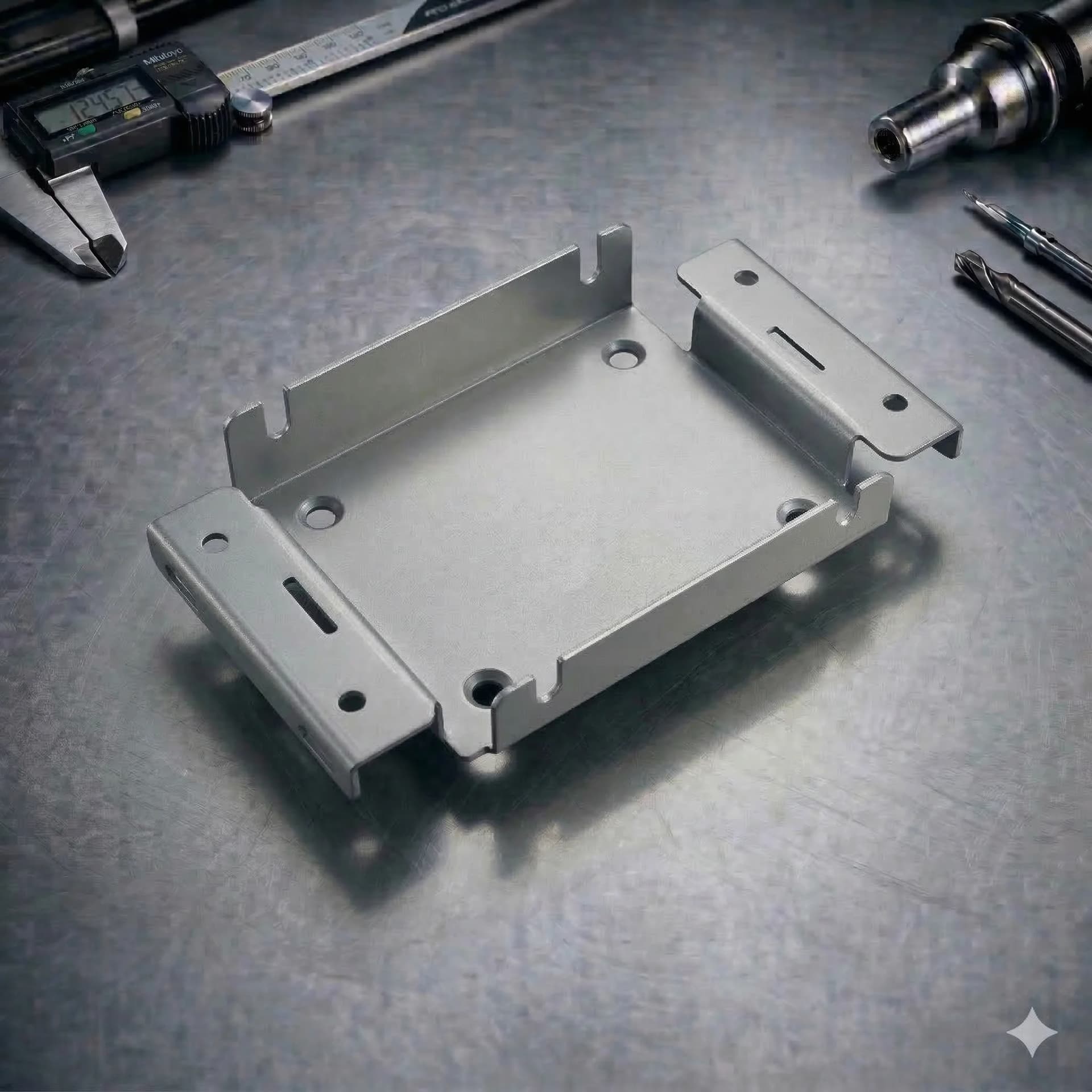
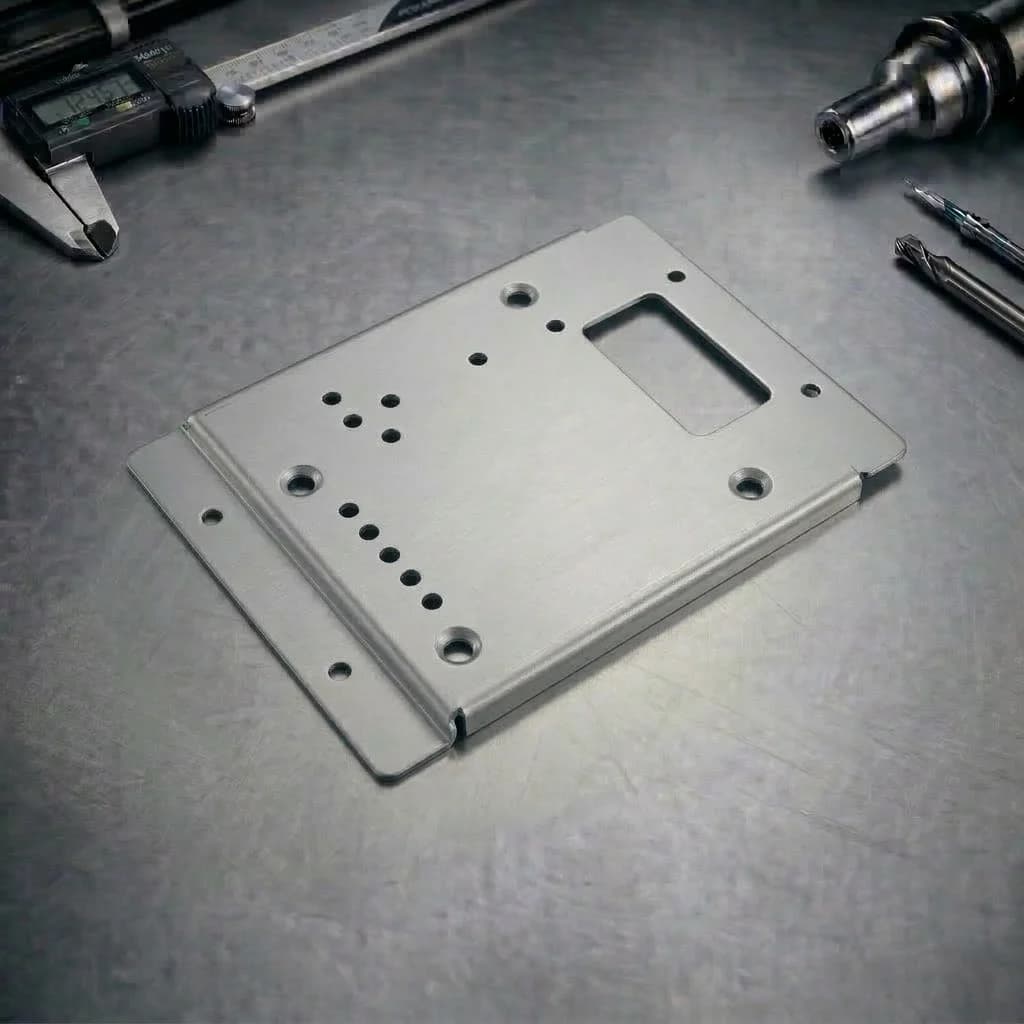
Engineering-driven fabrication for brackets, panels, enclosures, and welded assemblies. From clean laser edges to repeatable bends and hardware insertion—built for prototypes and scalable production.

Cut Tolerance
±0.005" (typ.)
Fast-Track
3–7 Days
Thickness Range
0.030"–0.500"
Sheet Metal Fabrication Services
Engineering-First Fabrication for Production Assemblies
PREMSA delivers sheet metal fabrication built around manufacturability and repeatability—clean cut edges, controlled bend geometry, and consistent part-to-part fit. We review your drawings and flat patterns early to reduce rework, improve assembly alignment, and prevent tolerance stack issues.
Our process is optimized for real-world fabrication constraints: bend radii, reliefs, hardware clearance, and weld access. We focus on what makes a part function and assemble correctly—while keeping cost and lead time predictable.
From rapid prototypes to scalable production, PREMSA supports finishing, hardware insertion, and assembly-ready documentation. We deliver parts that match your intent with inspection plans aligned to the critical dimensions that actually drive fit and performance.
What is Sheet Metal Fabrication?
Sheet metal fabrication is a manufacturing process that transforms flat sheet or plate into functional components using cutting (laser/punch), forming (bending), and secondary operations such as hardware insertion, welding, and finishing.
It is ideal for brackets, panels, enclosures, chassis, guards, and structural sub-assemblies where lightweight strength, efficient material usage, and repeatable geometry matter.
The Fabrication Workflow
A controlled engineering process optimized for fit, cosmetic quality, and production repeatability.
1. DFM + Print Review
We review drawings and models to validate bend intent, hole-to-bend rules, hardware clearance, weld access, and inspection targets. Risks such as distortion, over-tolerancing, and missing reliefs are flagged early.
2. Material & Process Selection
Material, thickness, and fabrication methods are confirmed based on functional requirements, cosmetic needs, and production volume. Grain direction and finishing constraints are considered where applicable.
3. Flat Pattern Validation & Nesting
Flat pattern logic is verified using the appropriate bend allowance or K-factor strategy. Nesting is optimized for material yield, part stability, and downstream forming efficiency.
4. Cutting (Laser / Punch)
Profiles, holes, slots, and tabs are cut with controlled kerf and edge quality. Parts are identified and organized to maintain traceability through forming and assembly.
5. Forming (Press Brake)
Bends are formed using the correct tooling to control inside radius, angles, and flange lengths. Bend sequencing is planned to avoid collisions and feature distortion.
6. Secondary Operations
Deburring, edge breaking, hardware insertion (PEM), tapping, welding, and other secondary processes are completed according to specification.
7. Finishing & Surface Protection
Surface finishes such as powder coating, plating, anodizing, or passivation are applied as required, with masking and handling practices aligned to cosmetic expectations.
8. Inspection & Release
Critical-to-quality (CTQ) dimensions are verified using calibrated tools and fixtures. Inspection effort is focused on features that directly impact fit, function, and assembly.
Procesos Clave de Fabricación
Corte Láser
Corte de perfiles de alta precisión para metales y algunos no metálicos. Ideal para geometrías complejas, nesting eficiente y bordes limpios en brackets y paneles.
Punzonado (Cuando Aplica)
Creación rápida de orificios y características repetitivas. Eficiente para altos volúmenes con geometría compatible con herramental estándar.
Doblado en Prensa
Dobleces controlados para gabinetes, pestañas, canales y formas estructurales. La selección de herramental define radio, control angular y calidad cosmética.
Inserción de Herrajes (PEM)
Separadores, tuercas, espárragos y herrajes cautivos para ensambles listos, reduciendo tornillería suelta y mejorando el servicio.
Soldadura y Ensamble
Subensambles soldados con planeación de acceso y control de deformación. Incluye estrategia de punteo, secuencia y acabado post-soldadura.
Acabados y Post-Procesos
Procesos como desbarbado, rompimiento de aristas, pintura en polvo, recubrimientos y pasivado para cumplir requisitos de corrosión, estética y ensamble final.
Technical Advantages
Fast Prototyping to Production
Efficient workflows from DXF/STEP to cut, form, and finish—ideal for design iterations and scalable builds.
Repeatable Bends & Fit
Controlled forming and DFM-based flat patterns reduce assembly issues and improve part interchangeability.
Efficient Material Utilization
Nesting and standard gauge selection reduce scrap and stabilize cost across volume.
Assembly-Ready Hardware
PEM insertion and tapping integrate fastening features directly into the part to streamline assembly.
Finishing for Function & Aesthetics
Powder coat, plating, anodize, and passivation options to meet corrosion, wear, and cosmetic targets.
Inspection Aligned to CTQ
We focus inspection on what drives function: hole-to-hole, hole-to-bend, critical flange lengths, and mating interfaces.
Fabrication Capacity & Envelope
Sheet Size
Typical production sheet formats supported for cutting and nesting. Oversize formats may be reviewed case-by-case.
Up to 48" × 96" (typ.)
Thickness Range
Supported thickness depends on material type and process (cutting and forming constraints).
0.030" – 0.500"
Forming Capacity
Press brake forming for common flanges, channels, and enclosure geometry. Long bends and heavy gauges may require review.
Up to 8 ft bends (typ.)
Custom Requirements?
For heavy plate, oversized sheets, complex multi-bend enclosures, or tight cosmetic requirements, request a specialist engineering assessment.
Tolerances & GD&T
Sheet metal accuracy depends on process selection (laser vs punch), thickness, material condition, and bend geometry. Defining critical-to-quality (CTQ) dimensions helps control cost while protecting fit and function.
| Category | Technical Capability | Engineering Notes |
|---|---|---|
| Cut Tolerances | Typical profile and hole position tolerances are influenced by thickness and part size. Tight tolerances may require slower cutting strategy or secondary machining. | Use tighter callouts only on CTQ features; avoid blanket tight tolerances on all edges. |
| Bend Control | Angle and flange length depend on tooling, bend radius, material springback, and stack-up across multiple bends. | Call out critical flange lengths and datum structure. Multi-bend enclosures benefit from fixture-aware design. |
| Flatness & Warp | Thin sheet can warp from heat input, asymmetric cuts, or weld distortion. Flatness must be treated as a design requirement, not assumed. | Large thin panels may require ribs, hems, or design features to stabilize geometry. |
| Inspection & Verification | Verification focuses on CTQ: hole-to-hole, hole-to-bend, flange lengths, and assembly interfaces using calibrated tools and gauges. | Provide datums and inspection notes for functional features; specify go/no-go requirements where appropriate. |
Sheet & Plate Materials
Choose from production-grade metals and cuttable non-metals. Material selection impacts bendability, edge quality, corrosion resistance, electrical performance, and cosmetic finish.
Metals (Sheet / Plate)
Non Metal Materials
Surface Finishes
Surface finishing improves corrosion resistance, wear life, and cosmetic appearance. Finishes should be selected based on environment, assembly requirements, and long-term durability.
Finish Options
Sheet Metal DFM Guidelines (DFM)
Sheet metal manufacturability is driven by bend geometry, relief strategy, and feature placement. Following these DFM rules reduces distortion, prevents cracking, and improves repeatability in production.
| Design Feature | Recommendation |
|---|---|
| Bend Radius & Relief | Use a bend radius appropriate for the material and thickness. Add bend relief/corner relief to prevent tearing on tight corners and to maintain clean formed geometry. Avoid extremely sharp radii unless specifically required and feasible. |
| Holes, Slots & Edge Distance | Keep holes and slots away from edges to prevent breakout and deformation. Avoid tiny holes relative to thickness; very small features may require alternate strategies or secondary machining. |
| Hole-to-Bend Placement | Avoid placing holes too close to bend lines. Features near bends can distort during forming; use reliefs, move features away, or design post-form drilling where required. |
| Flanges, Hems & Returns | Maintain sufficient flange length for tooling and repeatable bending. Hems/returns improve stiffness and safety but require material- and thickness-appropriate geometry and allowances. |
| Hardware (PEM) & Stand-offs | Ensure adequate clearance from edges, bends, and adjacent features for hardware insertion tooling. Specify hardware type, size, and location clearly on drawings. |
| Welding & Assembly Strategy | Design for weld access and distortion control. Prefer tabs/slots or locating features for alignment. Consider weld sequence and fixturing; thin sheet may warp without reinforcement or symmetric design. |
| Drawing & DXF Checklist | Provide a 2D drawing with material, thickness, finish, and CTQ dimensions. Include bend directions/angles, datums, and hole-to-bend callouts. Provide flat pattern DXF and/or STEP for formed geometry with clear revision control. |
Applications & Industries
Sheet Metal Fabrication Applications

Enclosures & Electrical Cabinets
Panels, doors, brackets, mounting plates, and chassis with repeatable bends, PEM hardware, and powder-coated finishes.

Brackets, Frames & Supports
Formed brackets and structural supports designed for fast assembly and consistent hole-to-bend alignment.

Guards, Covers & Panels
Laser-cut panels and protective guards with clean edges, deburring, and cosmetic finishing options.
Sheet Metal Fabrication Industries
Industrial
Fabricated sheet metal panels, machine guards, enclosures, and structural components designed for production equipment and industrial systems.

Electronics and Semiconductors
Precision sheet metal enclosures, chassis, and panels with controlled cosmetics for electronic equipment and semiconductor machinery.
Hardware
Fabricated metal housings, brackets, covers, and assemblies used in mechanical hardware and equipment products.

FAQs & Knowledge Base
Sheet Metal FAQs

Ready to build production-ready sheet metal parts?
Upload drawings and models for a DFM-backed quote. We’ll review bend geometry, feature placement, hardware requirements, and finishing to deliver assembly-ready results.
Engineering Review: Under 2 Hours