PrototypeMolding
Prototype molding built to validate fit, function, and cosmetics fast. Rapid tooling strategy, CTQ-first measurement, and resin discipline to de-risk shrink/warp, weld lines, gate vestige, and assembly interfaces—before you commit to production molds.
Validation Focus
Fit + CTQs
Tooling + First Samples
Fast-turn (program-based)
Program Stage
Prototype → Pilot
Learning loop
DFM, tooling strategy, sampling, and evidence tracking—end-to-end.
Prototype Molding Services
Why Choose PREMSA for Prototype Molding
PREMSA delivers prototype molding to validate real manufacturing behavior early—shrink directionality, warp risk, weld lines, gate vestige, and interface fit. We align the program around your CTQs (datums, sealing lands, snap features, cosmetic faces) so the prototype parts generate decisions—not just samples.
Prototype molding is about learning quickly with controlled evidence. We focus on the failure modes that usually appear late: moisture-driven defects, sink/warp from thick regions, cosmetic witness placement, and unstable fit due to uncontrolled shrink. The goal is to expose these risks early while changes are still cheap.
Use prototype molding to de-risk: assembly fit, tolerance strategy, cosmetic expectations, resin selection, and tooling approach. You get a structured iteration loop (design changes + tool adjustments + measurement evidence) that reduces surprises when moving into pilot/production.
What is Prototype Molding?
Prototype molding is a manufacturing program that produces parts using molding-real geometry and resin behavior while optimizing for iteration speed. It bridges the gap between 3D printing prototypes and production tooling by providing parts that reflect shrink, flow, and cosmetic witness realities.
Successful prototype molding balances DFM intent (draft, walls, ribs, undercuts), resin behavior (shrink, moisture sensitivity, flow), and tooling strategy (gating, venting, cooling, ejection) to generate reliable learnings for the next revision.
The Prototype Molding Workflow
A learning-driven engineering loop optimized for fast iteration, evidence, and de-risking production tooling decisions.
1. Intake & Program Goals (What Are We Trying to Prove?)
We confirm what the prototype must validate: fit/assembly interfaces, sealing, snap strength, cosmetic faces, texture expectations, resin targets, and any compliance intent.
2. Prototype DFM Review (Where Will It Fail First?)
We review draft/undercuts, wall transitions, ribs/bosses, gate and vent intent, weld line risks, ejection witness zones, and datum strategy focused on CTQs.
3. Rapid Tooling Strategy & Build Plan
We select the fastest tooling approach that still answers your questions: insert concepts, cavity approach, gate style, and serviceability for changes across revisions.
4. First Samples & Visual/Functional Triage
We run first shots to evaluate short-shot sensitivity, weld lines, sink/warp, gate vestige, ejector witness, and functional fit. Findings feed immediate changes.
5. CTQ Measurement & Fit Evidence
We measure the interfaces that drive assembly reality using agreed datums and fixtures (or fixturing concepts). Results are recorded as evidence per revision.
6. Iteration Loop (Design + Tool Adjustments)
We iterate quickly: adjust geometry and/or tool features (gate/vent/ejection/cooling intent where applicable) to converge on stable fit and acceptable cosmetics.
7. Prototype Release Package (What We Learned)
We summarize what changed, what improved, and what risks remain—shrink behavior, warp drivers, cosmetic witness zones, and recommendations for pilot/production tooling.
8. Pilot/Production Readiness & Next-Step Plan
We confirm the go-forward path: which CTQs are signed off, what cosmetic strategy is acceptable, which resin is locked (or equivalent), and what tooling/process changes are recommended for pilot or production molds.
Rapid Tooling, Inserts & Prototype Mold Capabilities
Rapid Tooling Built for Change
Prototype tooling is selected to enable learning—features and approaches that support revisions without restarting from scratch.
Revision-Friendly Strategy
We plan for iteration: define which CTQs must stay stable and which features can evolve, reducing churn and cost per revision.
Gate/Weld-Line Learning
Prototype programs can be designed to reveal weld line sensitivity and gate witness behavior early—before cosmetics become expensive to fix.
Warp & Flatness Risk Exposure
We evaluate thin walls, large flats, and long features for warp drivers and propose design/tooling direction that improves stability.
Insert/Overmold Feasibility (Requirements-Driven)
When useful, prototype programs can validate insert location, retention strategy, and overmold interaction with substrate geometry.
DFM-to-Pilot Bridge
We align prototype decisions with the next stage (pilot/production), so learnings transfer cleanly into durable tooling decisions.
Technical Advantages
Faster, More Meaningful Iterations
Prototype molding reveals real shrink, flow, and cosmetics that 3D printing can’t replicate—so design decisions are grounded in manufacturing reality.
De-risk Assembly Fit Early
Validate datums, interfaces, sealing lands, and snap geometry before production tooling locks you into expensive changes.
Expose Cosmetic Witness Zones Up Front
Parting line, gate vestige, weld lines, and ejector witness are visible early—so cosmetic expectations are aligned before scale-up.
Identify Warp Drivers Before They Become Program Killers
Thin walls, large flats, and stiffening strategies can be tuned early, reducing late-stage bow/twist and fit failures.
Evidence-Based Path to Pilot/Production
Measurements and revision tracking create a rational bridge to pilot tooling—less guessing, fewer surprises, faster launch.
Better Resin Decisions With Less Risk
Prototype programs can validate resin equivalency and moisture discipline so you don’t discover sensitivity problems after committing to tooling.
Prototype Molding Capacity & Envelope
Press Selection & Shot Capacity (Prototype Stage)
Prototype press sizing is selected based on projected area, flow length, resin behavior, and gating intent—so the prototype reflects real fill risks and weld line behavior.
Sized to learning goals
Part Size & Geometry Feasibility
Prototype feasibility depends on wall strategy, stiffness needs, and warp sensitivity. Large flat parts can be prototyped specifically to expose bow/twist risk early.
Reviewed by CTQs
Iteration Scalability
Prototype programs are designed to iterate quickly—change-friendly strategy, evidence tracking, and a clear bridge into pilot/production tooling decisions.
Rev A → Rev B → Pilot
Need help selecting resin or de-risking fit?
Send your CAD + requirements and request a prototype DFM + fit-risk review. We’ll align draft, walls, gating intent, cosmetic faces, and CTQ measurement so the prototype answers the right questions.
Quality & Prototype Standards
Prototype molding quality is driven by resin discipline, moisture control, tooling intent, and a stable sampling approach. Defining critical-to-quality (CTQ) features early (datums, fits, sealing surfaces, functional snaps, cosmetic faces) ensures prototype results translate into pilot/production decisions.
| Category | Technical Capability | Engineering Notes |
|---|---|---|
| Dimensional Fit, Shrink Behavior & Early Stability | Prototype dimensions are evaluated as evidence: shrink directionality, cooling-driven drift, and interface stability are measured against datums that match assembly reality. The goal is to learn what moves and why. | Focus tolerance on interfaces, not free surfaces. Define which dimensions must match on Rev A vs. which can evolve after learning. |
| Cosmetics, Witness Management & Prototype Finish Targets | Prototype cosmetics expose witness realities: gate vestige, weld lines, parting lines, and ejector marks. Finish/texture targets can be staged—prototype finish for learning vs. production finish for final cosmetics. | Identify cosmetic faces and acceptable witness zones early. Decide what you need to prove now (visibility, gloss/haze sensitivity) vs. later. |
| Sampling, Evidence & Change Control (Prototype Stage) | Prototype success requires structured sampling and revision tracking. We capture what changed (geometry/tool intent), what improved, and what remains risky—so the next stage isn’t guesswork. | If you need formal documentation, define it early (FAI-like results, revision logs, measurement scope). Prototype evidence should support decisions. |
| Drying, Moisture Sensitivity & Material Discipline | Moisture-driven defects can invalidate prototype learnings. We treat drying/handling as part of the prototype program so results reflect true design/tooling behavior—not uncontrolled material condition. | For moisture-sensitive resins, define drying as a CTQ. Agree on regrind usage (if any), color intent, and storage discipline. |
Polymers & Materials
Polymer selection drives strength, impact performance, temperature resistance, chemical compatibility, dimensional stability, and cosmetic quality. Share your environment, load case, regulatory needs, and end-use requirements so we can recommend the best material family and grade for your program.
Commodity Polymers
Engineering Polymers
High-Performance Polymers
Elastomers (TPE / TPU)
Secondary Operations & Finishing
Beyond molding, production programs often require controlled cosmetic finishes, trimming, assembly steps, hardware installation, traceability, and packaging support to deliver production-ready parts that integrate cleanly into downstream operations.
Secondary Operations & Finishing
Prototype Molding DFM Guidelines (DFM)
Prototype molding is most valuable when it reveals real manufacturing risks early: flow sensitivity, shrink directionality, weld line strength, warp drivers, and cosmetic witness. These DFM rules increase learning speed and reduce iteration cost.
| Design Feature | Recommendation |
|---|---|
| Wall Thickness, Ribs & Bosses | Keep walls consistent and use ribs for stiffness instead of thickening. Thick regions create sink and warp and can distort prototype learning. If thick features are unavoidable, flag them as learning targets for gating/cooling strategy. |
| Draft, Undercuts & Side Actions | Prototype parts still need draft on pull surfaces to avoid damage and misleading witness. If undercuts exist, decide whether the prototype should prove function (side action) or prove geometry intent (design change). |
| Gating, Venting & Weld Lines | Prototype programs should intentionally expose weld line risk and gate witness sensitivity. Define where weld lines are acceptable vs. forbidden (high stress, sealing, cosmetics). Venting is critical to avoid burns and false short-shot behavior. |
| Ejection, Parting Lines & Cosmetic Faces | Define cosmetic faces and acceptable witness zones early. Prototype parts are the best time to settle expectations for parting line placement and ejector visibility—before production tooling makes those choices expensive. |
| Shrink, Warp & Datum Strategy | Use prototype molding to learn what truly moves: thin walls, long slender features, large flats, and asymmetric ribs. Define datums that match assembly reality and measure interfaces, not free-form surfaces. |
| Prototype Tooling & Drawing Checklist | Provide resin intent (or acceptable equivalents), CTQs + datums, cosmetic faces + witness zones, texture/finish intent, insert/overmold requirements, expected prototype quantities, and the decisions the prototype must enable (fit sign-off, cosmetic sign-off, resin sign-off). |
Applications & Industries
Prototype Molding Applications
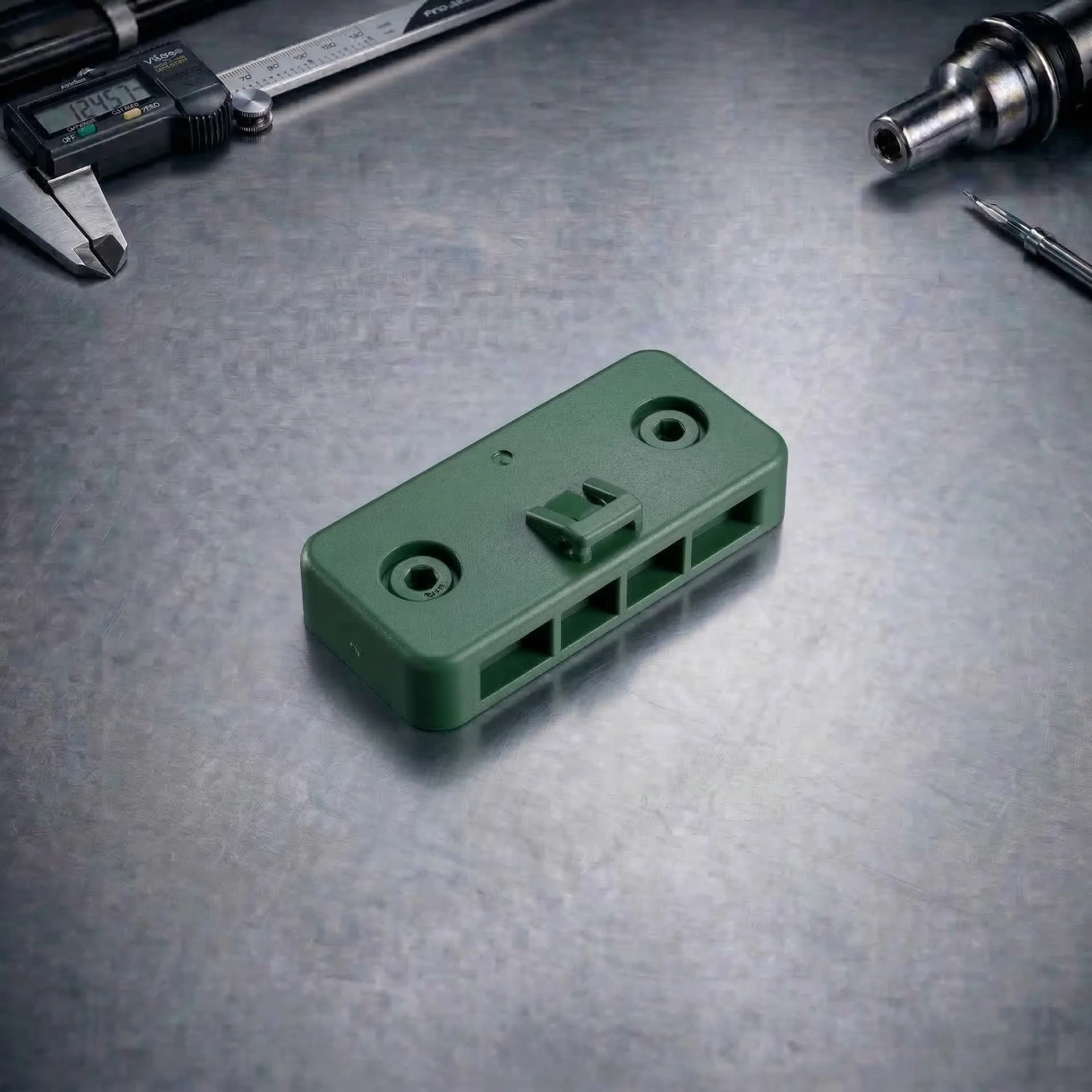
Fit & Assembly Validation Housings
Prototype molded covers, shells, and enclosures to validate real shrink behavior, fastener alignment, and interface fit.
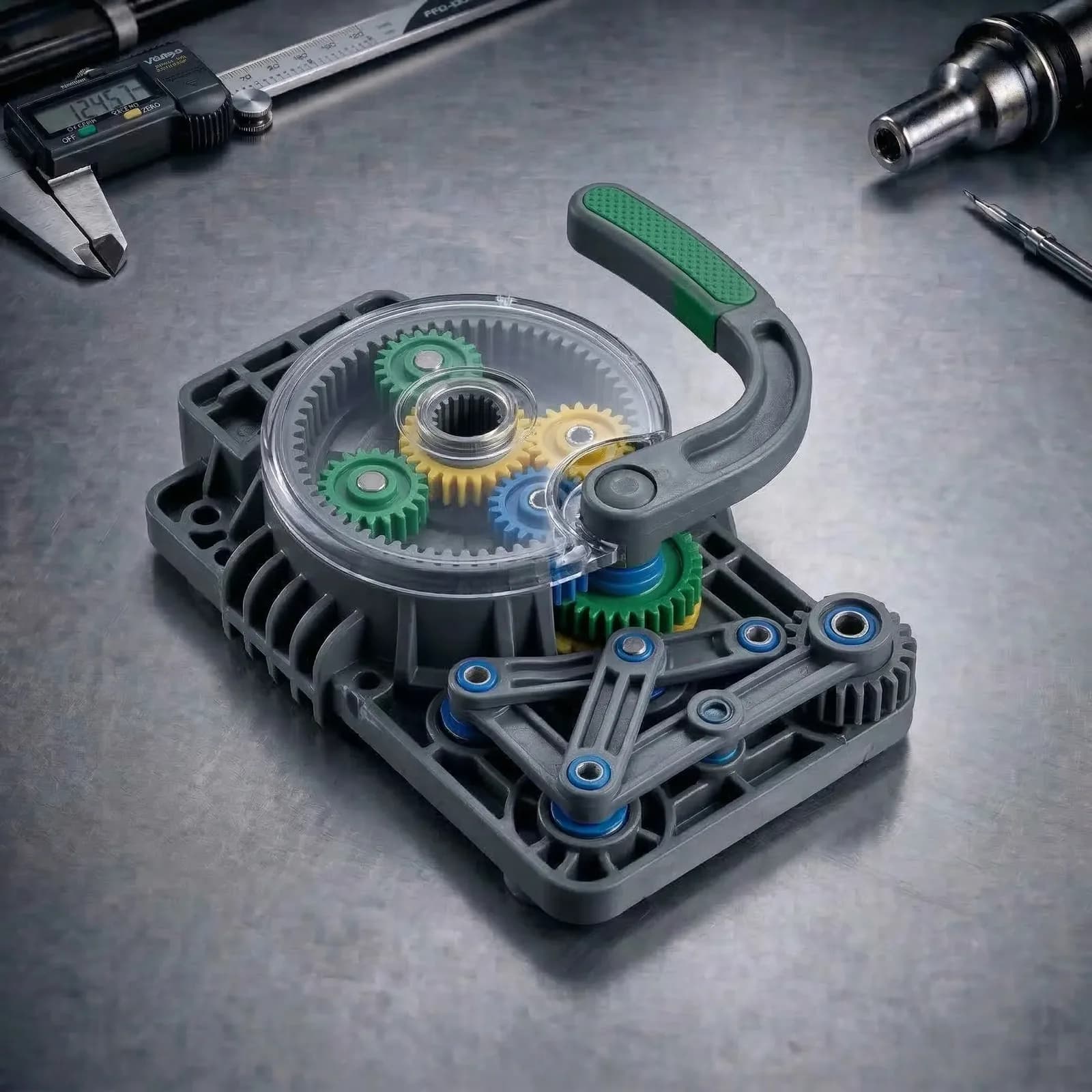
Functional Interfaces & Mechanisms
Snaps, latches, bosses, and precision interfaces validated with molding-real stiffness and witness behavior.
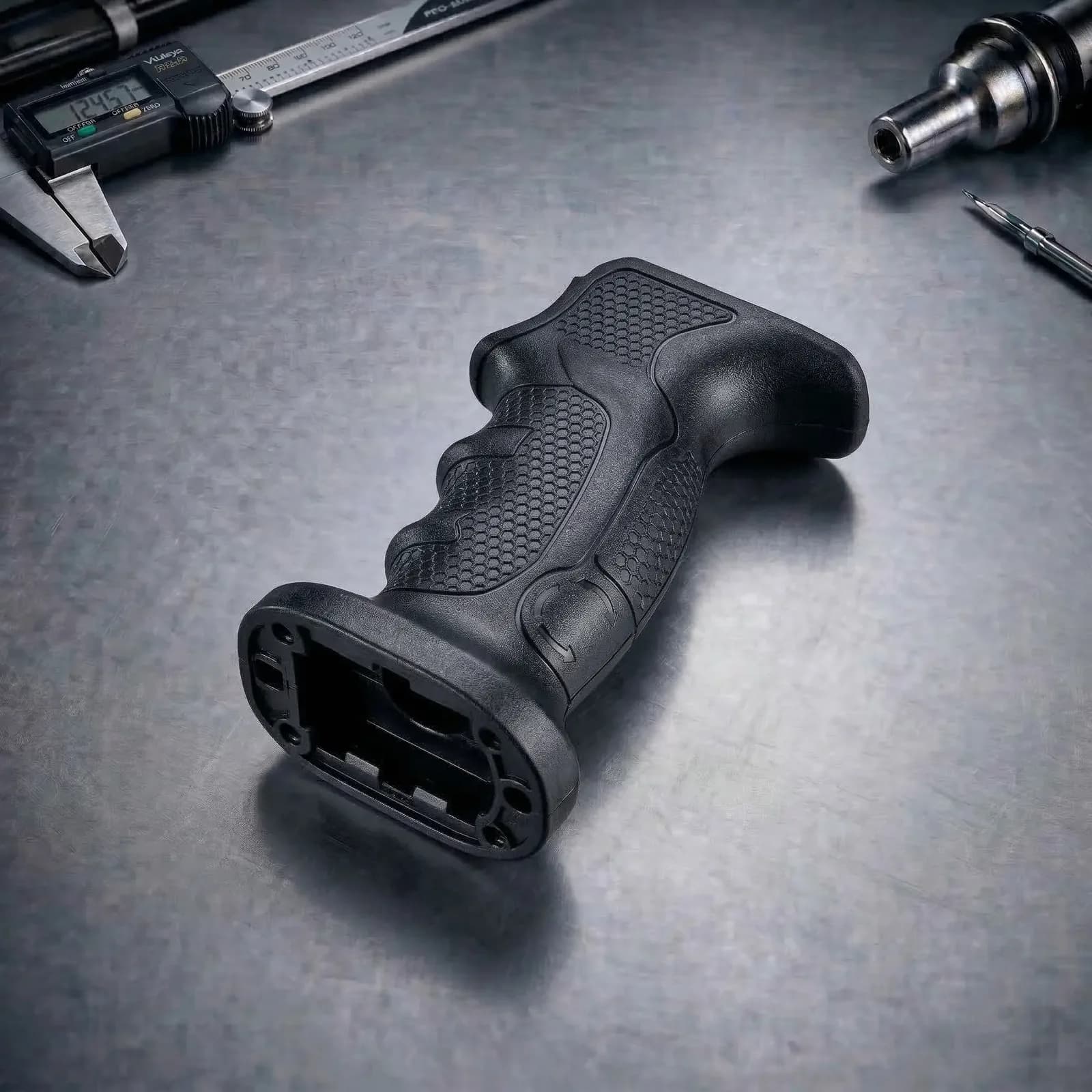
Ergonomics & Grip Concepts (Overmold Programs)
Prototype programs that validate hand-feel, geometry, and interface intent before committing to production overmold tooling.
Prototype Molding Industries
Medical Devices
Prototype molded components used to validate form, ergonomics, and assembly for handheld devices, enclosures, and diagnostic equipment before regulatory and production tooling.

Automotive & Mobility
Prototype injection molded parts for interior components, clips, housings, and airflow features—allowing design validation before high-volume automotive tooling.

Electronics & Hardware
Rapid molded housings, brackets, and structural plastic parts used to validate product architecture, assembly, and cosmetic features prior to mass production.

FAQs & Knowledge Base
Prototype Molding FAQs
Ready for your next project with PREMSA?
Upload your STEP file, set material and quantity, and get DFM review with clear lead times and an online quote.