Home/Materials/1100 H14 Aluminum
99% Pure Aluminum

1100 H14 Aluminum forHigh-Conductivity Components

1100-H14 is a commercially pure aluminum alloy with excellent forming properties and the highest thermal and electrical conductivity of any common aluminum series.

1100 H14 Pure aluminum stock and high-conductivity industrial parts
Material Overview

What is 1100-H14 Aluminum?

1100-H14 aluminum is a commercially pure grade of aluminum, containing at least 99.00% Al. It is the most mechanically weak of the common alloys but compensates with exceptional ductility, workability, and corrosion resistance. The H14 temper indicates it has been strain-hardened to a half-hard state. While it is rarely the first choice for heavy CNC machining due to its softness, it is indispensable for chemical equipment, food processing parts, and electrical applications where conductivity and chemical neutrality are paramount.
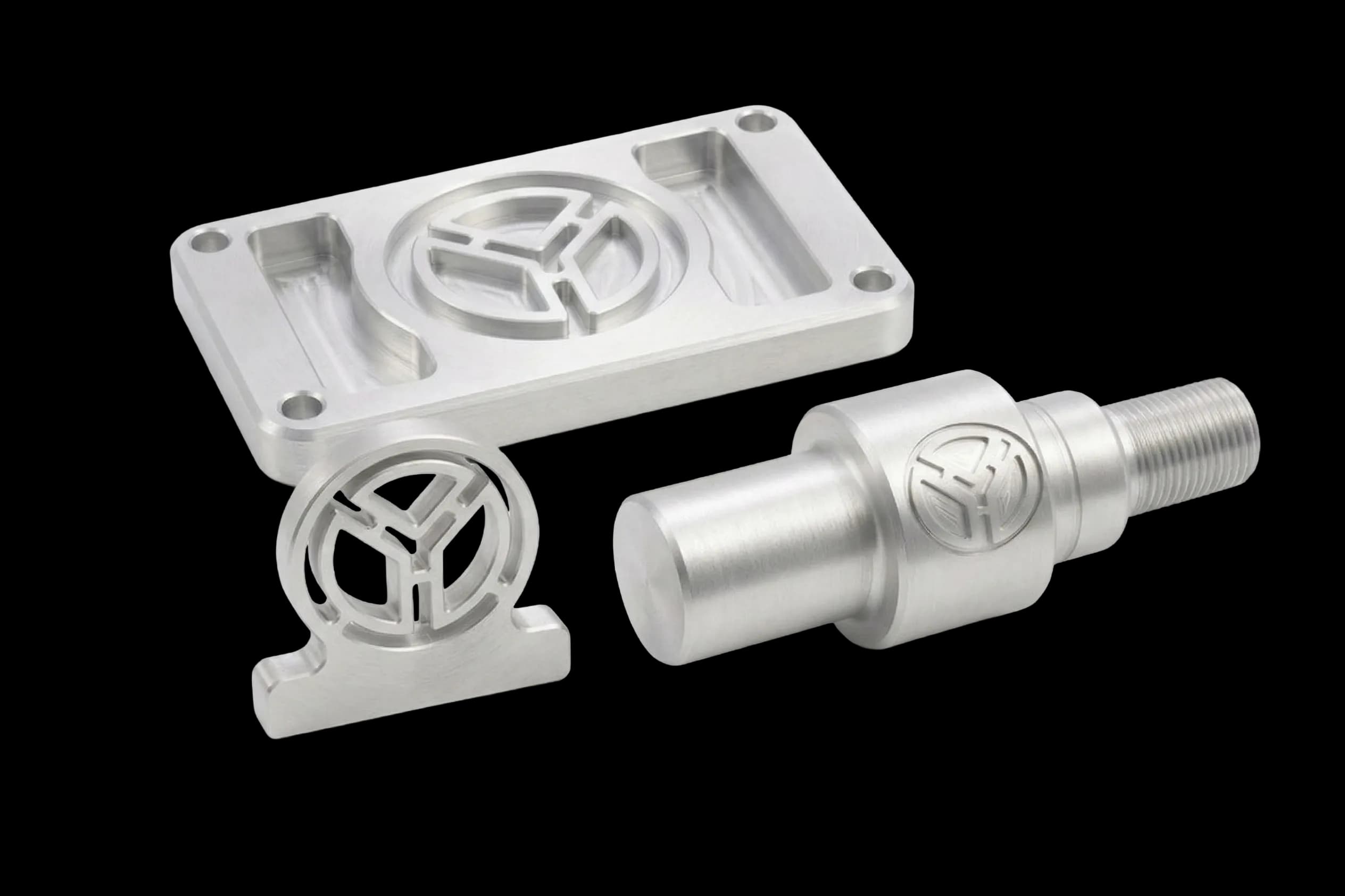
Precision formed 1100 H14 aluminum components for heat transfer
Specifications

1100 H14 Aluminum Specifications

Engineering data for 1100-H14. This material is defined by its chemical purity and its physical performance in electrical and thermal transfer environments.

1100-H14 Engineering Properties

Alloy Series

1000 series (Commercially Pure Al)

Temper

H14 (strain-hardened, 1/2 hard)

Primary Characteristics

Highest conductivity, maximum corrosion resistance, excellent formability, lowest strength

Tensile Strength (Ultimate)

18 ksi (124 MPa)

Tensile Strength (Yield)

17 ksi (117 MPa)

Shear Strength

11 ksi (76 MPa)

Fatigue Strength

7 ksi (48 MPa)

Elongation at Break

9–20%

Brinell Hardness

32 HB

Density

2.71 g/cm³ (0.0979 lb/in³)

Elastic Modulus

10,000 ksi (68.9 GPa)

Poisson’s Ratio

0.33

Thermal Conductivity

222 W/m·K

Coefficient of Thermal Expansion

23.6 µm/m·°C

Melting Range

643–657 °C (1190–1215 °F)

Electrical Conductivity

59% IACS (Highest of all aluminum alloys)

Machinability

Poor (Very soft and gummy; requires specialized tooling and high speeds)

Weldability

Excellent (Easily welded by all conventional methods)

Corrosion Resistance

Outstanding (Best of all aluminum series; excellent in chemical environments)

Anodizing Response

Excellent (Produces a very clear and aesthetically pleasing finish)

Common Forms

Sheet, plate, foil, fin stock, wire

Typical Applications

Chemical storage, heat exchanger fins, bus bars, reflectors, nameplates, food industry equipment

Material Composition

Aluminum (Al): ≥99.00%, Copper (Cu): 0.05–0.20%, Iron + Silicon (Fe+Si): ≤0.95%

ASTM Standard

ASTM B209

Performance

1100-H14 Performance Overview

Specialized comparison for high-purity and electrical applications.

Strength

Weight

Machinability

Weldability

Formability

Corrosion Resistance

Thermal Resistance

Cost Efficiency

Ready to utilize 1100 H14 Aluminum?

Maximize conductivity and corrosion resistance. Upload your CAD files for an engineering-grade quote on pure aluminum parts.

Where 1100 H14 Aluminum is Commonly Used

Essential for precision applications where physical properties like heat transfer and corrosion immunity are more important than structural load-bearing.

Heat exchanger fins and cooling plates

Chemical processing tanks and piping

Electrical conductors and bus bars

Lighting reflectors and decorative trim

Food and pharmaceutical packaging and containers

Nameplates and dials

Spun hollowware and deep-drawn parts

Giftware and aesthetically clear anodized parts

Rivet stock and soft gaskets

Material FAQs

1100-H14 Aluminum FAQs for Precision Stamping and Fabrication

Expert technical guidance for engineering teams utilizing commercially pure 1100-H14 aluminum for high-formability components and electrical applications.

Ready for your Project

High Conductivity & Purity

1100 H14 Aluminum: The Specialist for Electrical & Thermal Performance

When your application demands maximum electrical conductivity or superior heat dissipation, Aluminum 1100-H14 is the industry's most reliable high-purity alloy. Composed of 99.0% minimum aluminum, it provides a specialized solution for components where thermal efficiency and chemical stability are more critical than structural hardness.

At PREMSA Industries, we leverage the extreme ductility of 1100-H14 to produce intricate Metal Stamping and complex heat sinks that other alloys simply cannot sustain without cracking.

The Strategic Edge of Using 1100 H14

  • Unbeatable Conductivity: One of the best aluminum conductors for electrical busbars and grounding plates, ensuring minimal energy loss.
  • Thermal Management King: Rapidly moves heat away from sensitive electronics, making it the standard for high-performance cooling fins.
  • Extreme Corrosion Resistance: Its 99% purity creates a natural oxide layer that resists chemical attack better than any other aluminum series.
  • Zero-Cracking Bends: The H14 temper is so ductile that it allows for the most aggressive Sheet Bending in the shop, perfect for deep enclosures.
  • Food & Chemical Safe: Because it contains almost no alloying elements, it won't contaminate sensitive pharmaceutical or food-grade products.
  • Superior Weld Integrity: Produces exceptionally clean, leak-proof welds for chemical tanks and pressure vessels.

1100 H14 vs. Commercial Grades: When to Make the Switch

If you are using Aluminum 6061-T6 for electrical parts and experiencing overheating or material fracture during bending, 1100-H14 is your upgrade path for performance and reliability.

Why It Saves You Money

  • Reduces scrap rates on complex parts thanks to its high elongation
  • Eliminates the need for expensive surface treatments in mildly corrosive environments
  • Lowers energy costs in thermal systems due to superior heat transfer
  • Speeds up high-volume Metal Stamping production with consistent material flow

Precision Engineering Benefits

  • Maintains high reflectivity for lighting and optical components
  • Ideal for cryogenic applications where other metals become brittle
  • Provides a soft, workable base for high-detail embossing and nameplates
  • Supports tight-tolerance assembly in Swiss-Type Machining for small connectors

Production Strengths for High-Tech Components

  1. Conductivity Leader: The top choice for power distribution hardware.
  2. Forming Flexibility: Can be spun, drawn, or bent into geometries that fail in harder alloys.
  3. Chemical Purity: Safe for the most sensitive industrial processes.
  4. Thermal Speed: Dissipates heat faster than 6000 or 7000 series aluminum.
  5. Surface Brilliance: Naturally bright finish that enhances any aesthetic or reflective design.
  6. Reliable Joining: Excellent response to specialized welding and brazing.

Critical Design Considerations

  1. Structural Limits: Not for load-bearing frames; use higher strength alloys if your part needs to carry heavy weight.
  2. Machining Strategy: Being soft, it requires expert CNC Machining with high-speed spindles to prevent tool clogging.
  3. Surface Sensitivity: Prone to scratches; we recommend protective coatings or anodizing if surface aesthetics are permanent requirements.
  4. Joining Methods: Mechanical fastening or specialized welding is preferred over structural adhesives due to its high purity.
  5. Hardness: It will dent easier than 6061; consider this for parts exposed to high physical impact.

Advanced Fabrication at PREMSA Industries

Complex Forming & Stamping

We specialize in the 'difficult' shapes. 1100-H14 is our favorite material for Metal Stamping of deep-drawn containers and complex electronic shields.

  • Precision Sheet Bending for EMI/RFI shielding
  • High-volume production for nameplates and decorative trim
  • Custom heat sink manufacturing with ultra-thin fin profiles

Prototyping to Scale

Validate your thermal designs using Prototype 3D Printing before moving to 1100 production. We bridge the gap from digital design to high-conductivity metal reality.

  • Test assembly fit with SLS models
  • Seamless transition from one-off prototypes to thousands of units

Industrial Finishing

  • Bright dipping for maximum reflectivity in lighting applications
  • Clear anodizing to lock in the high-purity look and prevent oxidation
  • Silk-screening and engraving for durable industrial nameplates

Common High-Value Applications

1100 H14 is foundational for precision-engineered components across the electrical and chemical industries.

  • Electrical busbars, connectors, and grounding hardware
  • High-efficiency heat exchangers and cooling fins
  • Chemical storage tanks and food-grade containers
  • Reflectors for specialized lighting and solar equipment
  • Dials, nameplates, and thin-gauge stamped branding
  • HVAC evaporator coils and condenser components
  • Cryogenic vessel liners and vacuum hardware
  • Decorative architectural trim and embossed panels

Is 1100 H14 the Right Choice?

If your priority is moving heat, conducting power, or resisting chemicals, 1100-H14 is your best technical investment.

  • When electrical or thermal conductivity is the main performance metric
  • When parts require extreme Sheet Bending or deep drawing
  • When working with corrosive chemicals or food-grade standards
  • When creating high-end decorative components with a bright finish
  • When you need a material that maintains integrity in sub-zero/cryogenic temperatures