Material GuideCold Rolled Steel (CRS): Properties, Machining, and Fabrication Applications
Cold rolled steel (CRS) refers to low-carbon steel that has been processed at room temperature to improve dimensional accuracy, surface finish, and mechanical consistency. It is widely used in manufacturing environments where tighter tolerances, smoother surfaces, and more controlled material properties are required compared to hot rolled steel.
For engineering and sourcing teams, CRS is commonly selected for a balance of machinability, formability, and surface quality. It performs well across CNC machining, sheet metal fabrication, and precision components, especially when parts require secondary finishing, tight fits, or cosmetic consistency.
Key manufacturing characteristics of Cold Rolled Steel (CRS)
- Improved surface finish: CRS has a smoother and cleaner surface compared to hot rolled steel, making it suitable for visible parts and secondary finishing.
- Tighter dimensional tolerances: Cold rolling produces more consistent thickness and geometry, which is beneficial for precision components.
- Better mechanical consistency: The cold working process increases strength and hardness compared to hot rolled equivalents.
- Good machinability: CRS machines predictably and is commonly used in CNC milling and CNC turning.
- Excellent for sheet and plate applications: Frequently used in sheet cutting and sheet-metal-bending processes.
- Good weldability: CRS is generally weldable and compatible with standard fabrication processes.
- Requires corrosion protection: Like most carbon steels, CRS will rust if not coated or protected.
Mechanical and physical properties of Cold Rolled Steel (CRS)
CRS is not a single alloy but a processing condition typically applied to low-carbon steels such as Steel 1018. The cold working process increases yield strength and hardness while improving dimensional control, making CRS a preferred option for precision fabrication and machining applications.
Typical performance profile
- Higher strength than hot rolled steel due to cold working
- Improved surface finish and dimensional accuracy
- Moderate machinability depending on exact grade
- Good weldability for general fabrication
- Low corrosion resistance without coating
- Suitable for both machined and formed components
Why engineers choose it
- When tighter tolerances are required compared to hot rolled material
- When surface finish matters for appearance or function
- When parts will undergo secondary machining or finishing
- When consistency is needed across production batches
- When balancing cost, machinability, and fabrication flexibility
Strengths and advantages of Cold Rolled Steel (CRS)
- Improved dimensional accuracy: Better thickness control and straightness compared to hot rolled steel.
- Superior surface finish: Ideal for parts that require painting, plating, or visible surfaces.
- Versatile manufacturing compatibility: Works across CNC machining, metal services, and mixed-process assemblies.
- Good weldability and formability: Suitable for welded and formed components.
- Higher strength than hot rolled equivalents: Cold working improves mechanical properties.
- Widely available: Commonly stocked in sheet, plate, and bar forms.
- Supports secondary finishing: Performs well in powder coating, painting, and plating operations.
Trade-offs and limitations of Cold Rolled Steel (CRS)
- Lower corrosion resistance: Requires coating, plating, or painting in most environments.
- Higher cost than hot rolled steel: Additional processing increases material cost compared to Steel A36 or HRPO.
- Residual stresses from cold working: Can lead to distortion during machining or cutting if not properly managed.
- Less formable than hot rolled steel: Increased hardness can make aggressive forming more difficult.
- Not ideal for heavy structural applications: Typically not used where rough structural steel like Steel A500 or A36 is more appropriate.
- Surface defects are more visible: Because of the smooth finish, imperfections are easier to detect.
- Machinability lower than free-machining steels: Not as easy to machine as materials like Steel 12L14.
Fabrication and machining considerations for Cold Rolled Steel (CRS)
Machining behavior
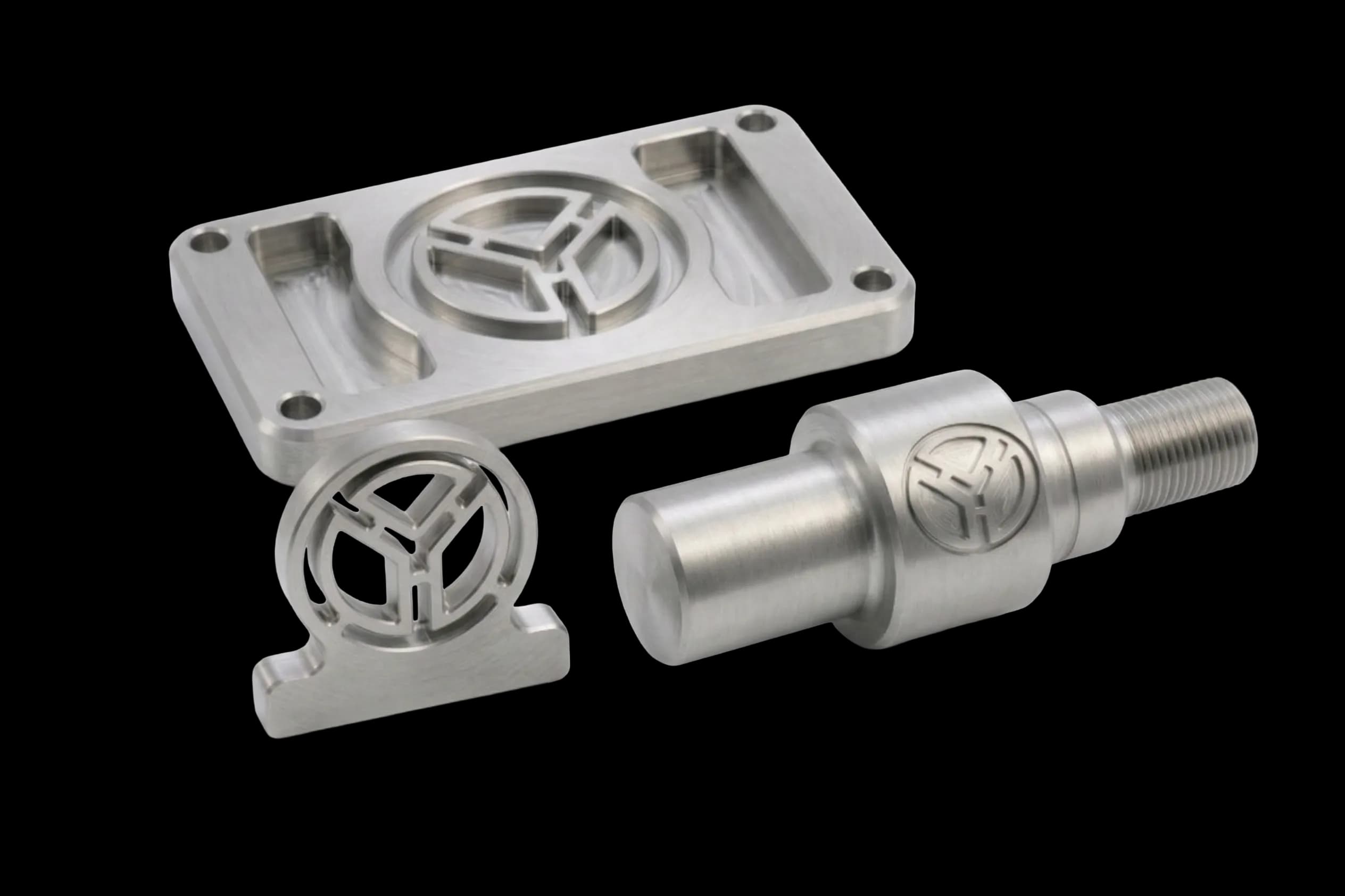
CRS is widely used for precision components that require a balance between machinability and mechanical performance. It performs well in CNC milling, CNC turning, and drilling and threading.
- Provides consistent machining results across batches
- Suitable for moderate-to-tight tolerance components
- May require stress relief in high-precision parts
- Produces cleaner finishes than hot rolled steel
Sheet metal and forming
CRS is commonly used in sheet metal fabrication for parts requiring clean edges and consistent thickness.
- Works well in laser cutting and punching operations
- Supports precision bending and formed geometries
- Preferred for enclosures, brackets, and panels
- More predictable than hot rolled steel in forming operations
Welding and assembly
CRS is generally weldable and used in fabricated assemblies where surface finish and dimensional control are important.
- Compatible with common welding processes
- May require cleaning or preparation before welding
- Distortion control is important in thin sections
- Works well in mixed-material assemblies
Finishing
- Ideal for powder coating and painting due to smooth surface
- Can be zinc plated for corrosion resistance
- Supports black oxide for light protection
- Surface prep requirements are lower than hot rolled steel
- Frequently used in cosmetic and consumer-facing components
Common applications for Cold Rolled Steel (CRS)
CRS is widely used in applications that require better surface finish and dimensional accuracy than hot rolled steel while maintaining good machinability and fabrication flexibility.
- Precision machined components
- Sheet metal enclosures and panels
- Brackets and mounting hardware
- Machine parts and fixtures
- Consumer product housings
- Automotive components
- Electrical enclosures
- Components for industrial, manufacturing, electronics & semiconductors, and consumer products applications
When Cold Rolled Steel (CRS) is a strong material choice
CRS is often the right choice when a project requires improved surface quality, tighter tolerances, and consistent material properties compared to hot rolled steel.
- When surface finish and appearance matter
- When tighter dimensional tolerances are required
- When parts will be machined after forming or cutting
- When components require painting, plating, or coating
- When balancing machinability and fabrication flexibility
- When production consistency is important
- When hot rolled surface scale is not acceptable