Home/Materials/Galvanized Steel
Production Material

Galvanized Steel forCorrosion-Resistant Fabrication

Galvanized steel is carbon steel coated with zinc to provide long-term corrosion resistance. It is widely used in outdoor, structural, and industrial applications where durability and environmental protection are critical.

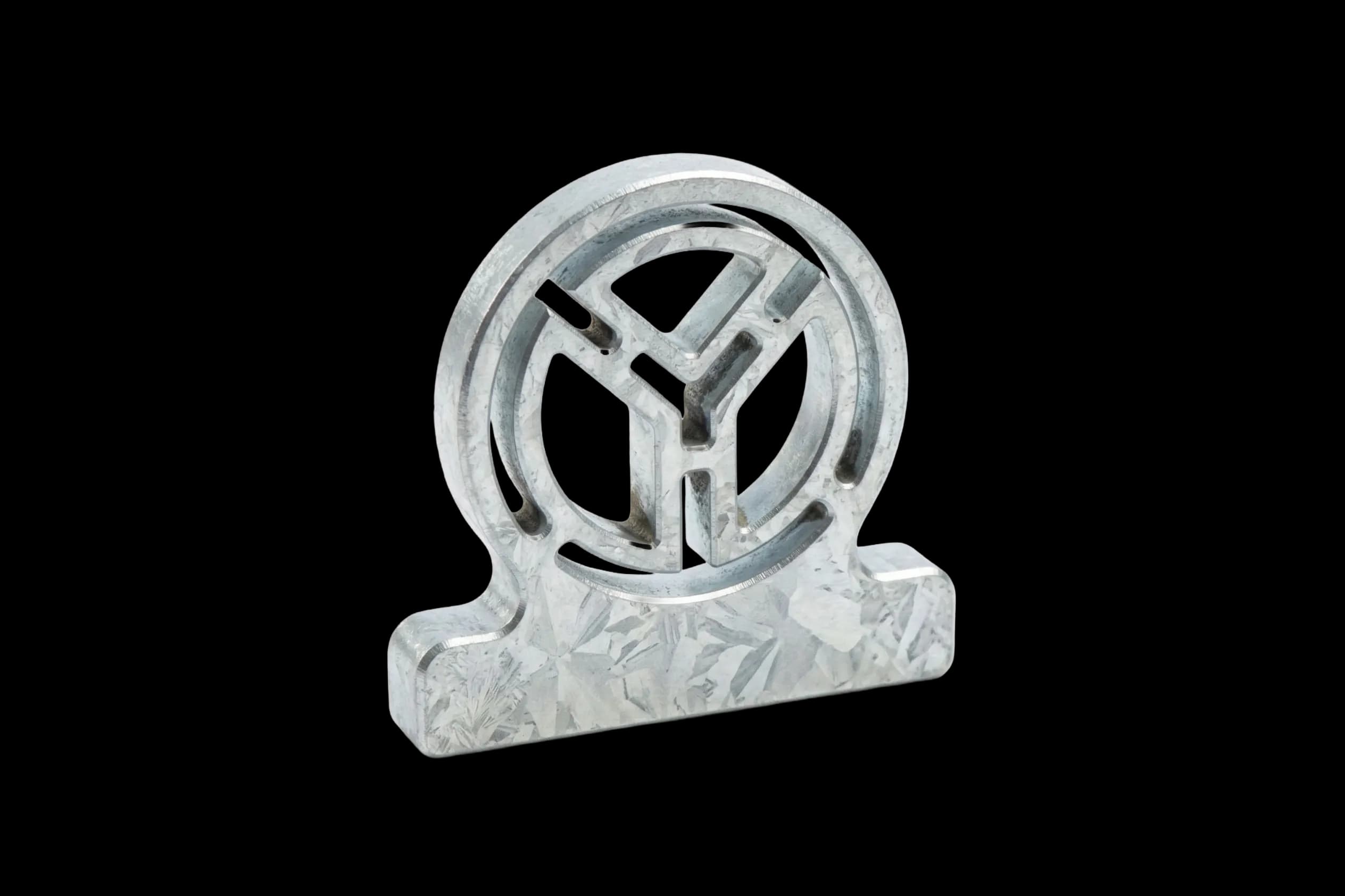
Galvanized steel sheets and corrosion-resistant fabricated components
Material Overview

What is Galvanized Steel?

Galvanized steel is carbon steel that has been coated with a protective layer of zinc through processes such as hot-dip galvanizing or electroplating. This zinc coating acts as a barrier against corrosion and also provides sacrificial protection to the underlying steel. Galvanized steel is widely used in sheet metal fabrication, tube fabrication, and outdoor structures where exposure to moisture or environmental conditions is expected. Compared to untreated steel, it significantly extends service life with minimal maintenance.

Galvanized steel components with protective zinc coating
Specifications

Galvanized Steel Specifications

Engineering-grade properties of galvanized steel, including corrosion resistance, coating thickness, and fabrication characteristics. This material is commonly selected for outdoor and industrial applications requiring long-term durability.

Galvanized Steel Engineering Properties

Material Type

Carbon Steel with Zinc Coating

Primary Characteristics

Excellent corrosion resistance, durable coating, cost-effective protection

Base Material

Typically low carbon steel (e.g., A36, A1011, or similar)

Tensile Strength (Ultimate)

55–75 ksi (380–520 MPa, depends on base steel)

Tensile Strength (Yield)

30–50 ksi (205–345 MPa)

Elongation at Break

20–28%

Density

7.85 g/cm³ (0.284 lb/in³)

Elastic Modulus

29,000 ksi (200 GPa)

Poisson’s Ratio

0.29

Coating Thickness

Varies by process (e.g., G60–G90 for sheet, or thicker for hot-dip)

Machinability

Moderate (coating can affect tool wear and finish)

Weldability

Good (requires proper ventilation and surface preparation due to zinc coating)

Formability

Good (coating may crack if excessively formed)

Corrosion Resistance

Excellent (zinc coating provides long-term protection)

Heat Treatment

Not typically heat treated after galvanizing

Common Forms

Sheet, plate, tubing, structural shapes

Typical Applications

Outdoor structures, enclosures, brackets, frames, fencing, HVAC components

Material Composition

Carbon steel base with zinc coating (Zn)

ASTM Standard

ASTM A653 (sheet), ASTM A123 (hot-dip galvanizing), ASTM A500 (if tubing)

Performance

Material Performance Overview

Standardized comparison across key engineering and manufacturing criteria.

Strength

Weight

Machinability

Weldability

Formability

Corrosion Resistance

Thermal Resistance

Cost Efficiency

Ready to fabricate galvanized steel components?

Upload your CAD files and get a fast, engineering-reviewed quote. Ideal for corrosion-resistant fabrication and outdoor applications.

Where Galvanized Steel is Commonly Used

Galvanized steel is widely used in applications where corrosion resistance and durability are required, especially in outdoor or exposed environments.

Outdoor structural frames and supports

Fencing and guardrails

HVAC ducting and enclosures

Industrial brackets and mounts

Electrical enclosures and panels

Agricultural equipment and structures

Construction and infrastructure components

Tube and welded assemblies

Parts exposed to moisture or weather

Material FAQs

Galvanized Steel FAQs for Engineering and Production

Key questions from engineering, sourcing, and manufacturing teams working with galvanized steel in corrosion-resistant fabrication and industrial production environments.

Ready for your Project?

Material Guide

Galvanized Steel: Properties, Corrosion Resistance, and Fabrication Applications

Galvanized steel is carbon steel that has been coated with a layer of zinc to provide corrosion protection. This coating acts as both a physical barrier and a sacrificial layer, protecting the underlying steel from rust and environmental exposure. It is widely used in applications where durability in outdoor or humid environments is required.

For engineering and sourcing teams, galvanized steel is commonly selected when corrosion resistance is a primary concern. It is frequently used across sheet metal fabrication, enclosures, structural components, and outdoor assemblies where long-term performance and reduced maintenance are critical.

Key manufacturing characteristics of galvanized steel

  • Zinc-coated surface: The steel is protected by a zinc layer that resists corrosion and extends service life.
  • Sacrificial protection: Zinc corrodes preferentially, protecting the base steel even if the surface is scratched or damaged.
  • Available in multiple forms: Commonly supplied as sheet, coil, plate, and formed components.
  • Strong fit for fabrication: Widely used in sheet cutting and sheet-metal-bending.
  • Good weldability with precautions: Can be welded, but requires proper ventilation and process control due to zinc fumes.
  • Improved durability in outdoor environments: Performs well in humid, industrial, and exposed conditions.
  • Surface ready for use: Often does not require additional coating depending on the application.

Mechanical and physical properties of galvanized steel

Galvanized steel inherits the mechanical properties of its base material, typically low-carbon steels such as Cold Rolled Steel (CRS) or HRPO steel. The primary difference is the addition of a zinc coating that significantly improves corrosion resistance without fundamentally changing structural performance.

Typical performance profile

  • Moderate strength depending on base steel grade
  • Excellent corrosion resistance compared to uncoated carbon steel
  • Good durability in outdoor and humid environments
  • Slightly reduced machinability due to coating
  • Good formability depending on coating thickness
  • Surface protection without need for additional finishing in many cases

Why engineers choose it

  • To prevent corrosion in outdoor or exposed environments
  • To reduce maintenance and replacement costs
  • To extend product life in harsh conditions
  • To eliminate or reduce the need for painting or coating
  • To support reliable performance in industrial and infrastructure applications

Strengths and advantages of galvanized steel

  1. Excellent corrosion resistance: Zinc coating protects against rust and environmental damage.
  2. Long service life: Suitable for outdoor and industrial applications with minimal maintenance.
  3. Self-healing protection: Zinc continues to protect exposed areas even if scratched.
  4. Cost-effective durability: Reduces lifecycle costs compared to uncoated steels.
  5. Widely available and standardized: Common across multiple industries and supply chains.
  6. Good compatibility with fabrication processes: Works well in metal services.
  7. No immediate need for finishing: Often used as-is in industrial and commercial applications.

Trade-offs and limitations of galvanized steel

  1. Coating can be damaged during machining: Secondary CNC machining may remove protective zinc layer.
  2. Welding considerations: Produces zinc fumes that require proper ventilation and safety controls.
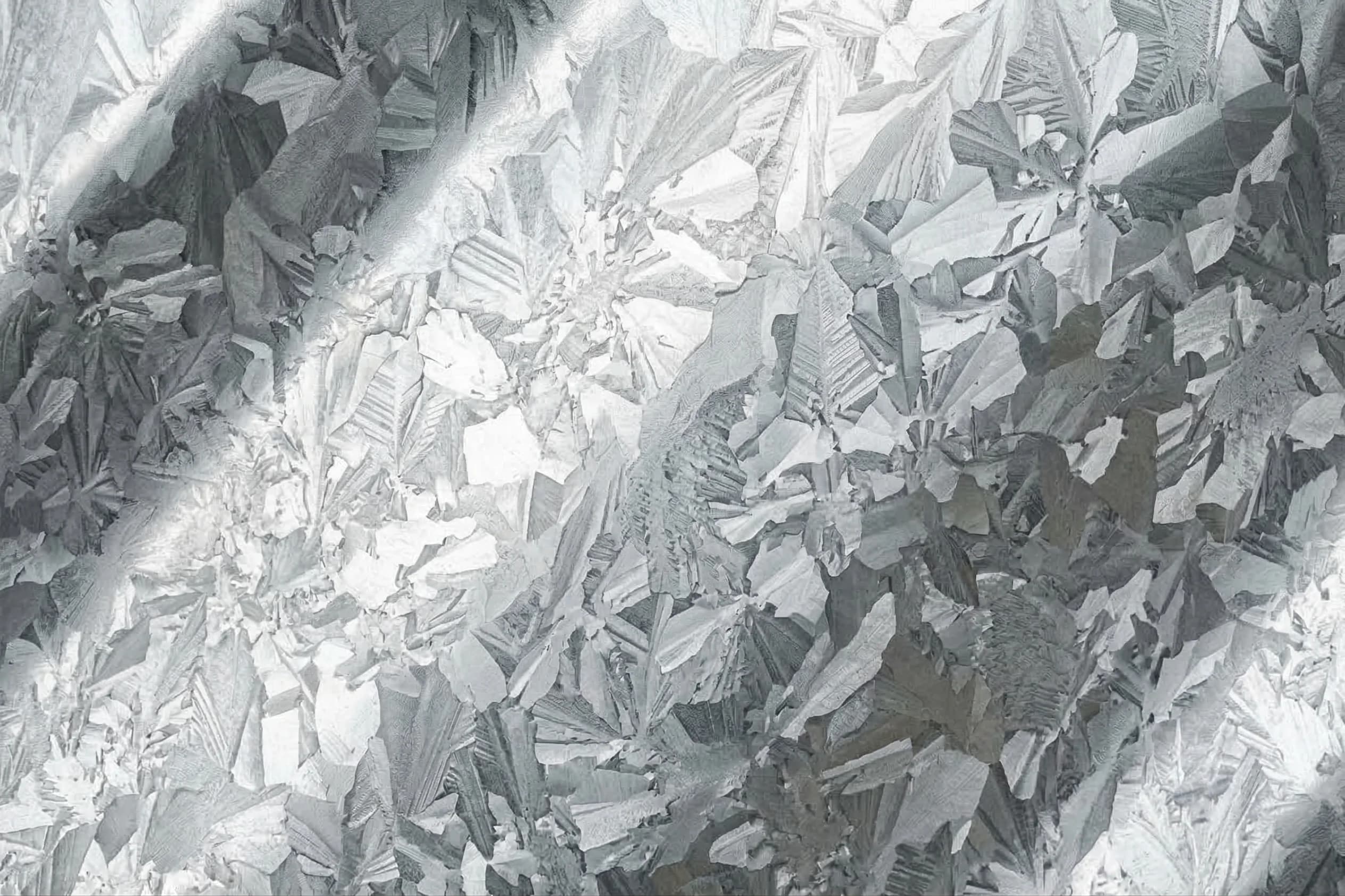
  3. Surface not cosmetic-grade: May show spangle or coating variation depending on process.
  4. Limited high-temperature performance: Zinc coating can degrade at elevated temperatures.
  5. Additional finishing may still be required: For highly cosmetic or specialized applications.
  6. Thickness variability in coating: Can affect tight tolerance fits or assemblies.
  7. Not ideal for precision machining parts: Better suited for fabricated components than tight-tolerance machined parts.

Fabrication and machining considerations for galvanized steel

Fabrication behavior

Galvanized steel is primarily used in fabrication workflows where corrosion resistance is critical. It performs well in sheet metal fabrication and structural assemblies.

  • Suitable for laser cutting, punching, and bending operations
  • Coating must be considered when forming tight radii
  • Commonly used in enclosures, panels, and brackets
  • Works well in outdoor-rated fabricated assemblies

Machining behavior

While galvanized steel can be machined, it is not typically selected for machining-first applications.

  • Machining removes protective coating in cut areas
  • Requires post-machining protection if corrosion resistance is critical
  • Tool wear can increase due to coating interaction
  • Best suited for secondary operations rather than primary machining

Welding and assembly

Galvanized steel can be welded, but proper procedures are required due to the zinc coating.

  • Requires ventilation due to zinc fumes
  • Coating may need to be removed locally before welding
  • Post-weld protection may be required
  • Common in welded structural assemblies and outdoor systems

Finishing

  • Often used without additional coating
  • Can be painted if additional protection or aesthetics are required
  • Zinc surface may require prep for adhesion
  • Post-fabrication touch-up may be needed in cut or welded areas
  • Common in infrastructure, construction, and industrial applications

Common applications for galvanized steel

Galvanized steel is widely used in applications where corrosion resistance and durability are critical.

  • Outdoor enclosures and electrical boxes
  • HVAC systems and ductwork
  • Structural supports and framing
  • Automotive body and structural panels
  • Fencing and guardrails
  • Construction and infrastructure components
  • Agricultural equipment
  • Components for construction, energy, automotive, and manufacturing applications

When galvanized steel is a strong material choice

Galvanized steel is often the right choice when corrosion resistance, durability, and long-term performance are more important than precision machining or cosmetic finish.

  • When parts are exposed to outdoor or humid environments
  • When corrosion resistance is a primary requirement
  • When reducing maintenance and replacement costs
  • When fabrication is the main manufacturing process
  • When coating or painting can be minimized
  • When producing industrial or infrastructure components
  • When durability outweighs tight tolerance requirements