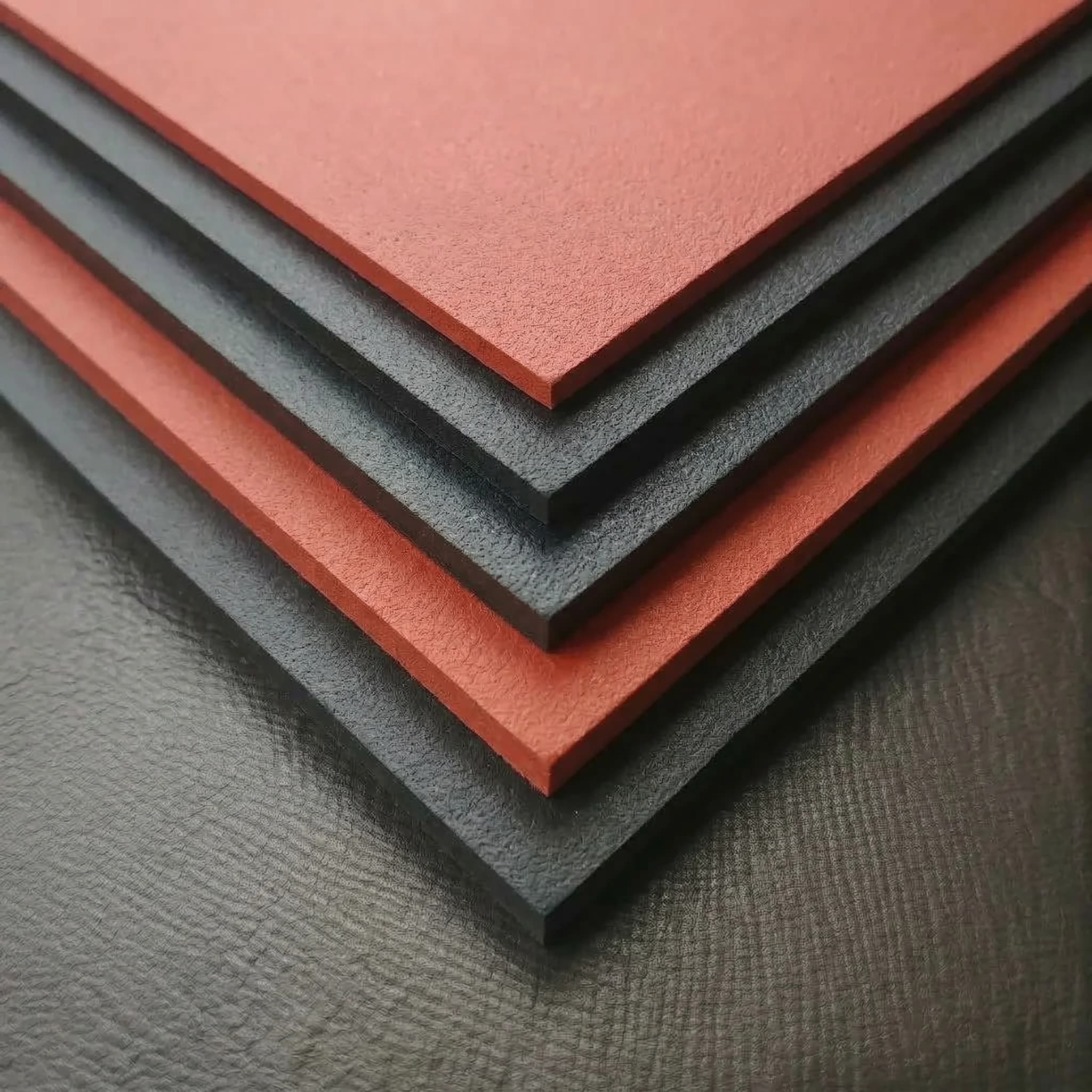
Material GuideRubber (Elastomers): Properties, Processing, and Applications
Rubber (elastomers) is a class of flexible materials designed for applications requiring elasticity, sealing, vibration damping, and environmental resistance. Common rubber types include natural rubber, EPDM, nitrile (NBR), and silicone. Rubber components are typically produced through plastic part production, compression molding, or extrusion, and can also be processed through CNC machining services and sheet cutting for custom or low-volume parts.
For engineering and sourcing teams, rubber is often selected when flexibility, sealing performance, and resistance to environmental factors are more important than structural strength or dimensional rigidity.
Key manufacturing characteristics of rubber
- Elastic behavior: Can deform under load and return to original shape.
- Excellent sealing capability: Ideal for gaskets, O-rings, and sealing systems.
- Vibration and shock absorption: Reduces noise and mechanical stress in assemblies.
- Wide material range: Includes specialized compounds such as EPDM, silicone, and nitrile.
- Flexible processing methods: Commonly produced through molding, extrusion, and cutting.
- Environmental resistance options: Materials can be tailored for UV, temperature, or chemical exposure.
Mechanical and physical properties of rubber
Rubber is typically selected for elasticity and environmental performance rather than strength or stiffness. Compared to thermoplastics like polycarbonate or acetal, rubber provides flexibility and damping but significantly lower rigidity and dimensional stability.
Typical performance profile
- High elasticity and elongation capability
- Low stiffness and structural strength
- Excellent vibration damping properties
- Variable temperature and chemical resistance depending on type
- Good sealing performance under compression
Why engineers choose it
- Provides reliable sealing in fluid and air systems
- Absorbs shock and vibration in mechanical assemblies
- Adapts to irregular surfaces and tolerances
- Available in multiple compounds for specific environments
Strengths and advantages of rubber
- Elastic deformation: Returns to shape after compression or stretching.
- Sealing performance: Ideal for preventing leaks in dynamic and static systems.
- Vibration damping: Reduces noise and protects components from shock.
- Environmental adaptability: Available in compounds for chemical, temperature, and UV resistance.
- Custom formulation: Material properties can be tuned for specific applications.
- Wide application range: Used across industrial, automotive, medical, and consumer products.
Trade-offs and limitations of rubber
- Low structural strength: Not suitable for load-bearing components.
- Dimensional instability: Deforms under load and may not maintain tight tolerances.
- Wear and degradation: Can degrade depending on environmental exposure.
- Limited machining precision: Not ideal for high-tolerance machined parts.
- Temperature sensitivity: Performance varies significantly depending on compound.
- Chemical compatibility varies: Must be selected carefully for specific environments.
Fabrication and processing considerations for rubber
Molding and production
Rubber components are most commonly produced through plastic part production, including compression and injection molding processes.
- Suitable for high-volume production of seals and gaskets
- Allows complex geometries and integrated features
- Material properties can be tailored through formulation
Machining and cutting
Rubber can be processed through CNC machining services and sheet cutting for custom or low-volume components.
- Soft material requires careful workholding
- Waterjet cutting is commonly used for sheet rubber
- Dimensional control is more challenging than rigid materials
Sealing and compression design
- Design must account for compression set and recovery
- Material selection depends on fluid compatibility
- Proper geometry ensures effective sealing performance
Environmental considerations
- UV, ozone, and temperature exposure affect material life
- Different compounds offer tailored resistance
- Application-specific selection is critical
Common applications for rubber
Rubber is widely used in applications requiring flexibility, sealing, and vibration control.
- Gaskets and seals
- O-rings and sealing systems
- Vibration dampers and mounts
- Hoses and flexible connectors
- Protective covers and boots
- Industrial and automotive components
- Medical and consumer products
When rubber is a strong material choice
Rubber is often the right choice when flexibility, sealing performance, and vibration control are more important than strength or dimensional precision.
- When sealing against fluids or air is required
- When vibration or shock absorption is needed
- When flexibility and elasticity are critical
- When working with irregular surfaces or compression fits
- When environmental resistance can be tailored through material selection