Fabrication Material

MDF forPanels & Fabricated Components

MDF (Medium-Density Fiberboard) is an engineered wood product widely used for panel-based components, prototypes, and fabrication applications requiring smooth surfaces and cost efficiency.

MDF panels and CNC cut components for fabrication
Material Overview

What is MDF?

MDF (Medium-Density Fiberboard) is an engineered wood product made from wood fibers bonded with resin under heat and pressure, resulting in a uniform, smooth, and stable panel material. It is widely used in sheet cutting and sheet metal fabrication workflows adapted for panel-based components, as well as in CNC machining for routing, profiling, and detailed cut features. MDF is commonly selected for prototypes, fixtures, displays, and non-structural components where surface finish, machinability, and cost efficiency are more important than strength or moisture resistance.

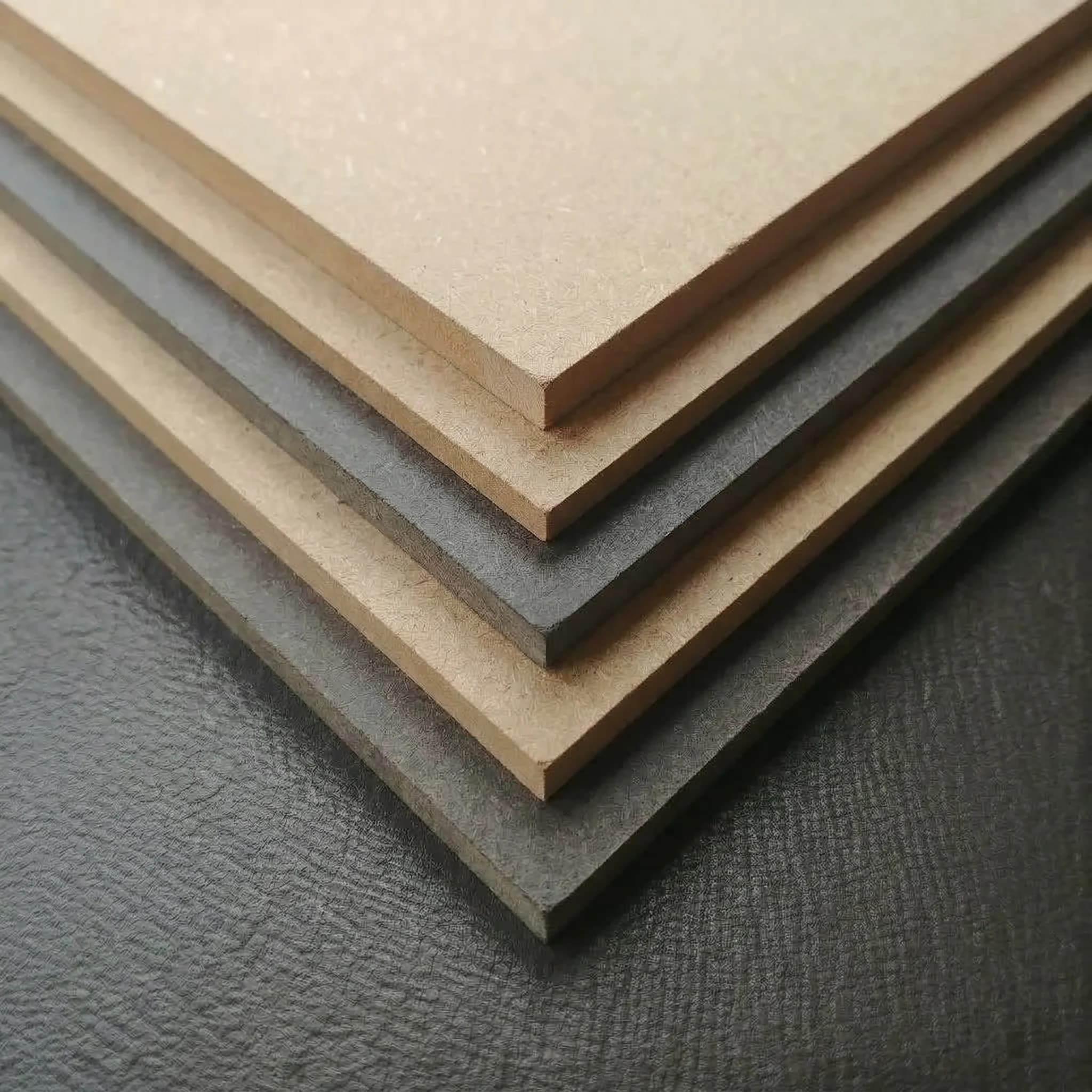
CNC cut MDF panels and fabricated components
Specifications

MDF Specifications

Material properties of MDF, including mechanical and physical characteristics relevant to fabrication, CNC routing, and panel-based applications. This data supports material selection for cost-effective and easily machinable components.

MDF Material Properties

Material Type

Engineered wood fiberboard

Primary Characteristics

Smooth surface, uniform density, easy to machine, cost-effective

Density

600–800 kg/m³

Modulus of Rupture

20–40 MPa

Internal Bond Strength

0.5–1.0 MPa

Hardness

Moderate

Moisture Sensitivity

High (can swell or degrade with water exposure)

Water Resistance

Low (moisture-resistant grades available)

Machinability

Excellent (ideal for CNC routing, cutting, and shaping)

Surface Finish

Very smooth (ideal for painting and laminating)

Dimensional Stability

Good in dry environments

Thermal Resistance

Low (not suitable for high-temperature applications)

Common Forms

Sheets, panels

Typical Applications

Panels, displays, fixtures, cabinetry, prototypes

Performance

Material Performance Overview

Standardized comparison across key fabrication and material criteria.

Strength

Weight

Machinability

Surface Finish

Moisture Resistance

Dimensional Stability

Thermal Resistance

Cost Efficiency

Ready to produce MDF components?

Upload your CAD files and get a fast, engineering-reviewed quote. From prototypes to production, we help you move faster.

Where MDF is Commonly Used

MDF is widely used in applications where smooth surfaces, easy machining, and cost efficiency are key factors. It is especially common in panel-based fabrication and prototyping environments.

Display structures and retail fixtures

Prototyping panels and mockups

Cabinetry and furniture components

CNC cut panels and profiles

Jigs and fixtures for manufacturing

Architectural models

Signage and decorative elements

Enclosures and housings (non-structural)

General-purpose fabricated components

Material FAQs

MDF (Medium-Density Fiberboard) FAQs for Manufacturing and Fabrication

Common questions from engineering, sourcing, and product development teams working with MDF across fabrication, CNC routing, and industrial woodworking applications.

Ready for your Project

Material Guide

MDF: Properties, Machining, and Applications

MDF (medium density fiberboard) is an engineered wood product made from wood fibers bonded with resin under heat and pressure. It is widely used in manufacturing for prototyping, fixtures, patterns, and non-structural components. MDF is commonly processed through CNC machining services and sheet cutting, especially for large-format or panel-based designs.

For engineering and sourcing teams, MDF is often selected when cost efficiency, machinability, and dimensional consistency in flat-sheet applications are more important than structural strength or environmental resistance.

Key manufacturing characteristics of MDF

  • Uniform material structure: Consistent density and composition allow predictable machining results.
  • Excellent machinability: Cuts cleanly in CNC machining services and routing operations.
  • Smooth surface finish: Ideal for painting, laminating, or coating.
  • Sheet-based material: Commonly processed through sheet cutting for panels and flat components.
  • Cost-effective: One of the most economical materials for prototyping and large-format parts.
  • Not moisture resistant: Requires sealing or coating for humid environments.

Mechanical and physical properties of MDF

MDF is typically selected for dimensional consistency and ease of fabrication rather than mechanical strength. Compared to materials like plywood, MDF offers a smoother surface and more uniform density, but lower structural performance and moisture resistance.

Typical performance profile

  • Moderate strength for non-structural applications
  • Low moisture resistance without sealing
  • Consistent density throughout the material
  • Good surface finish for coatings and laminates
  • Stable for indoor environments

Why engineers choose it

  • Easy to machine into complex shapes and patterns
  • Cost-effective for prototypes and fixtures
  • Provides a smooth surface for finishing
  • Ideal for large panel-based components

Strengths and advantages of MDF

  1. Consistent machining performance: Uniform structure allows predictable results in CNC machining workflows.
  2. Smooth surface quality: Ideal for painted or laminated finishes.
  3. Cost efficiency: Suitable for low-cost prototyping and production aids.
  4. Ease of fabrication: Works well with cutting, routing, and shaping processes.
  5. Large sheet availability: Supports panel-based designs and assemblies.
  6. Good dimensional consistency: No grain direction variability like natural wood.

Trade-offs and limitations of MDF

  1. Low moisture resistance: Can swell or degrade in humid environments.
  2. Limited structural strength: Not suitable for load-bearing applications.
  3. Dust generation during machining: Requires proper extraction and handling.
  4. Lower durability: More prone to damage compared to engineered plastics.
  5. Edge weakness: Edges may require sealing or reinforcement.

Fabrication and machining considerations for MDF

Machining behavior

MDF machines easily using CNC milling and routing processes, making it a common choice for prototypes and fixtures.

  • Produces clean cuts with proper tooling
  • High feed rates are possible compared to harder materials
  • Dust extraction is critical for clean operation

Sheet processing

MDF is primarily used in sheet form and processed through sheet cutting for flat components and panels.

  • Efficient for large-format parts
  • Common in jigs, fixtures, and mockups
  • Minimal finishing required for functional prototypes

Finishing and surface treatment

  • Can be painted, laminated, or veneered
  • Edges often require sealing for durability
  • Surface preparation improves coating adhesion

Assembly and use

  • Typically assembled using mechanical fasteners or adhesives
  • Suitable for indoor applications
  • Not recommended for high-load or outdoor environments without treatment

Common applications for MDF

MDF is widely used in manufacturing and product development where cost efficiency and machinability are critical.

  • Prototyping and mockup components
  • Jigs and fixtures
  • Furniture and cabinetry panels
  • Display and retail structures
  • Industrial patterns and templates
  • Architectural models
  • Large-format fabricated components

When MDF is a strong material choice

MDF is often the right choice when cost, machinability, and surface quality are more important than structural performance or environmental resistance.

  • When producing prototypes or temporary components
  • When working with large flat panels
  • When a smooth surface finish is required
  • When cost efficiency is critical
  • When parts are used in controlled indoor environments