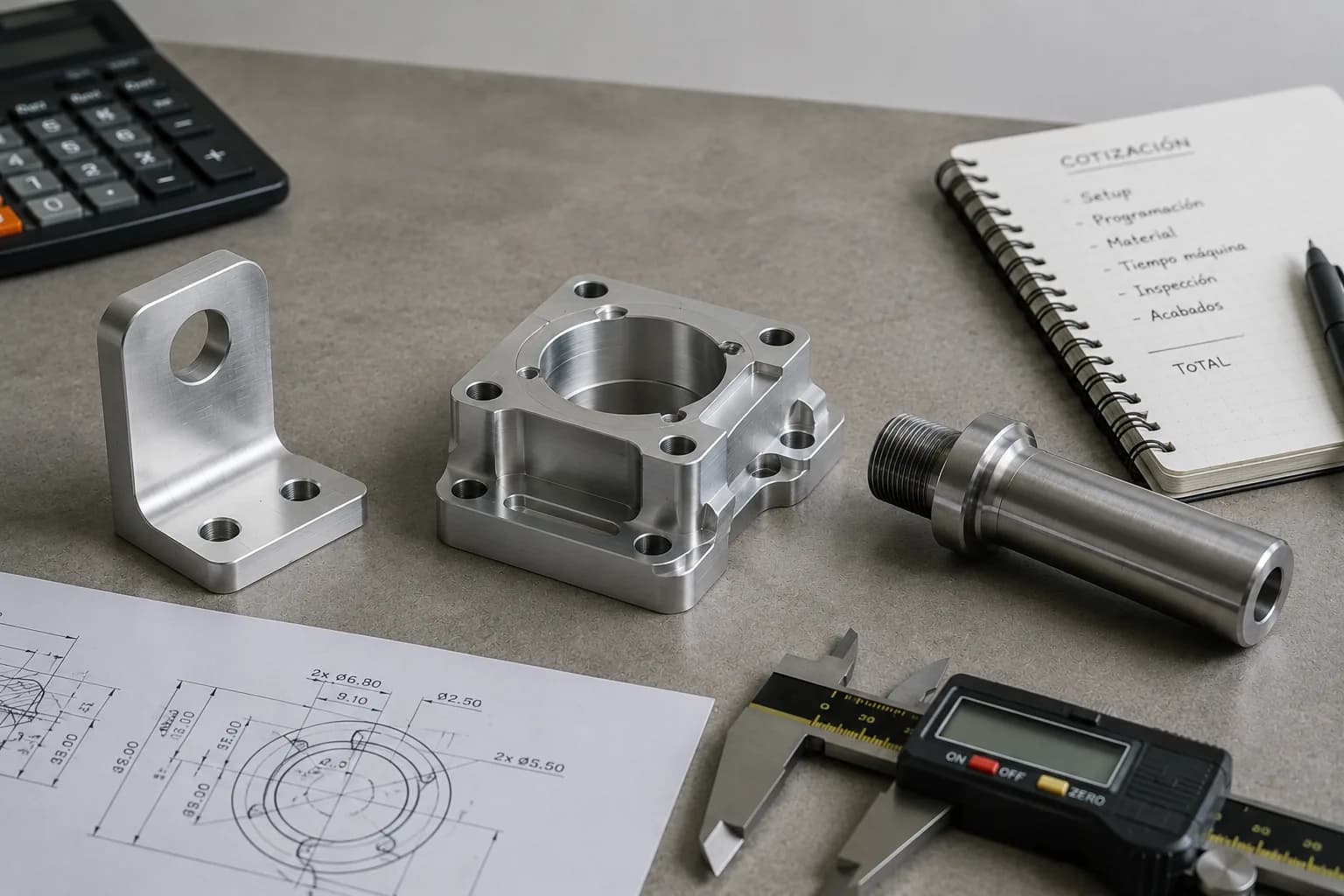

A quoted part can look expensive for the wrong reason — or cheap right up until quality issues, missed tolerances, and schedule delays show up. That is why CNC machining cost needs to be evaluated as a manufacturing decision, not just a line item. If you're getting a part made, the real question is not only what a part costs, but what is driving that cost—and which variables can be adjusted without compromising function.
CNC machining pricing is rarely arbitrary. Most of the quote is tied to a small set of technical and operational factors: material selection, geometry, tolerance requirements, machining time, setup effort, finishing, inspection, quantity, and lead time. When these variables are understood early, cost becomes more predictable, easier to control, and significantly more efficient to optimize.
What is CNC Machining?
CNC machining (Computer Numerical Control) is a high-precision subtractive manufacturing process where pre-programmed computer software dictates the movement of factory tools and machinery. Unlike additive processes like 3D printing, CNC machining starts with a solid block of material—known as a workpiece or blank—and strategically removes layers to create a finished part.
This technology is the backbone of modern industrial production. By using G-code (the standardized CNC programming language), these machines eliminate the variance of manual operation, allowing for tight tolerances as low as ±0.001" (±0.025mm). Whether you are working with aerospace-grade aluminum or high-performance engineering plastics, CNC machining ensures that the first part is identical to the thousandth.
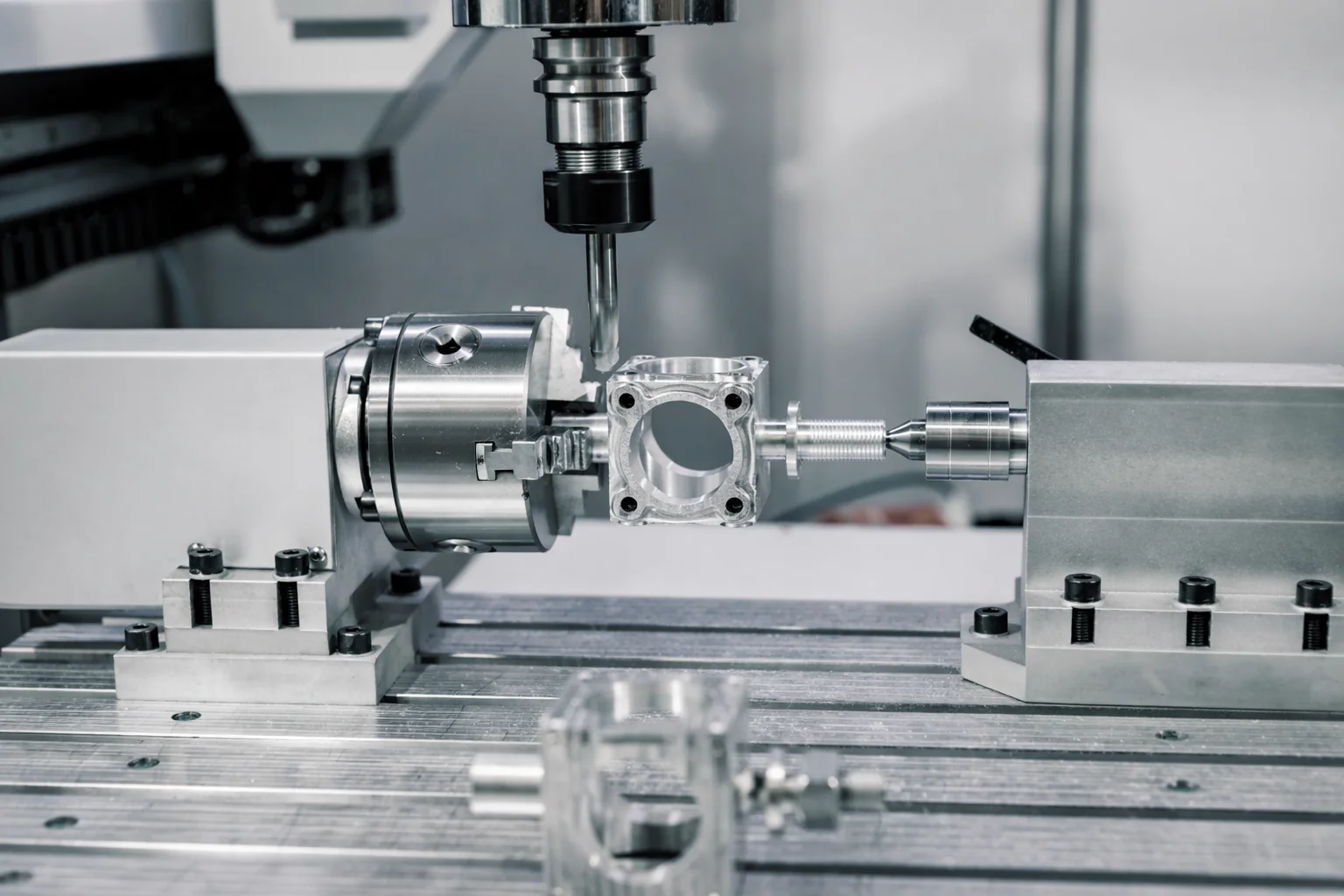
The versatility of CNC machining services makes them indispensable for both rapid prototyping and high-volume production. Industries such as medical, automotive, and defense rely on this process because it handles complex geometries that traditional manual machining simply cannot reach.
Key strategic advantages of CNC machining include:
- Exceptional Precision: Achieving micron-level accuracy for critical mechanical fits.
- Proven Scalability: Seamlessly transitioning from a single prototype to batches of thousands with total consistency.
- Extensive Material Range: Capability to machine everything from Stainless Steel and Titanium to high-performance plastics like PEEK and Delrin.
- Automated Efficiency: 24/7 operation with minimal human intervention, significantly reducing lead times for urgent projects.
Factors That Influence CNC Machining Cost
CNC machining cost is driven by a combination of technical and operational variables that directly affect machining time, efficiency, and production complexity. It is not determined by a single factor, but rather by how multiple decisions—material selection, geometry, tolerances, and finishing—interact throughout the manufacturing process.
Understanding these cost drivers early is critical. A part that appears inexpensive upfront can become costly due to inefficient machining, excessive finishing requirements, or unnecessary precision. Conversely, a well-optimized design can significantly reduce cost without compromising performance.

Material Selection and Machinability
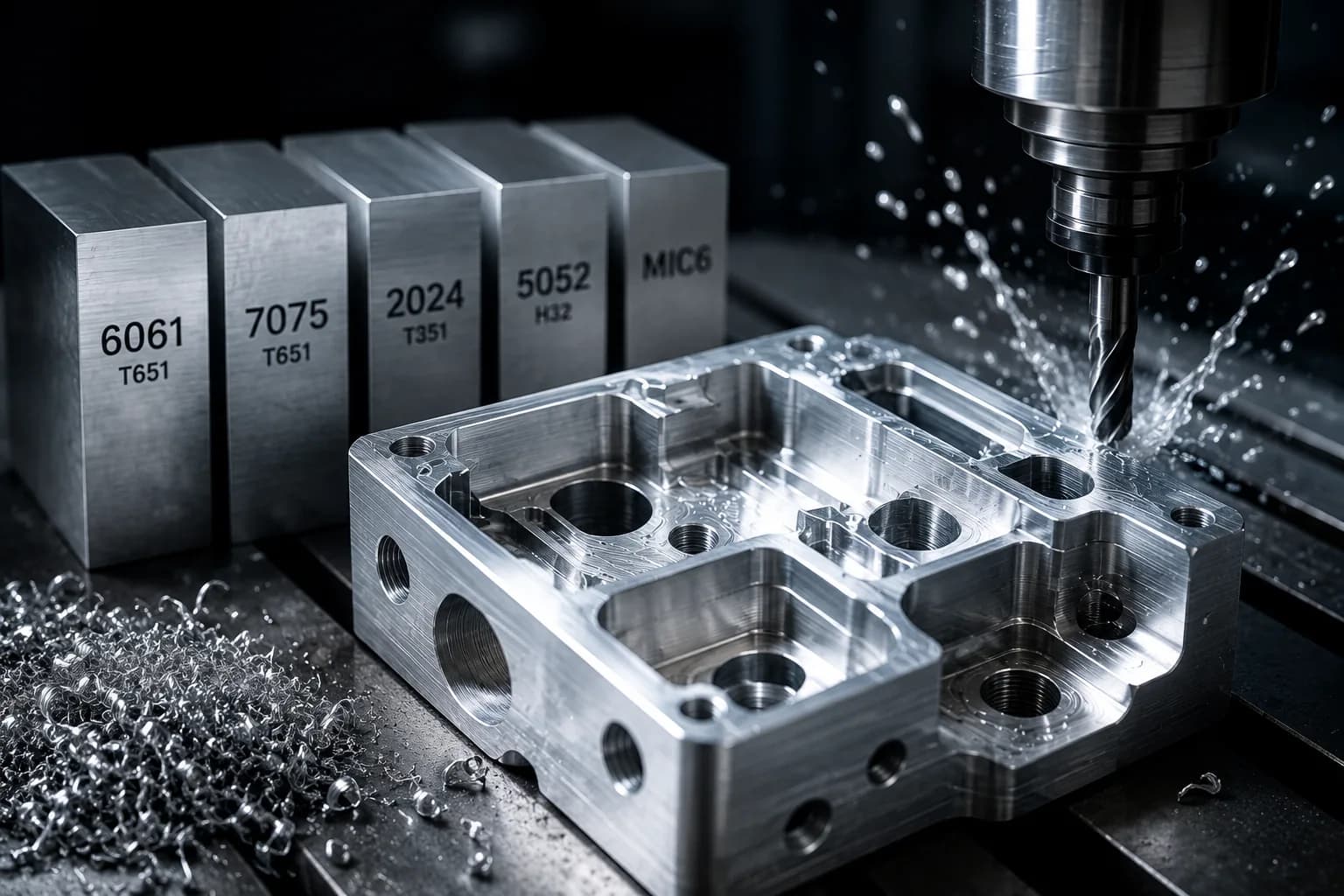
Material selection is one of the most significant cost drivers in CNC machining. While raw material price plays a role, machinability often has a greater impact on total cost. Materials like aluminum are fast to machine and cost-efficient, while harder materials such as stainless steel or alloy steels require slower cutting speeds, increased tool wear, and longer machining time.
The table below shows how material choice and production volume can influence cost per part and lead time.
| Material | Surface Finish | Quantity | Unit Price (Estimated) | Lead Time (Estimated) |
|---|---|---|---|---|
| Aluminum | As Machined | 1 | $30 – $50 | 2 – 5 days |
| 10 | $25 – $45 | 5 – 10 days | ||
| 100 | $20 – $40 | 10 – 20 days | ||
| 1000 | $15 – $35 | 20 – 40 days | ||
| Stainless Steel | As Machined | 1 | $40 – $60 | 3 – 7 days |
| 10 | $35 – $55 | 7 – 14 days | ||
| 100 | $30 – $50 | 15 – 30 days | ||
| 1000 | $25 – $45 | 30 – 60 days | ||
| Steel | As Machined | 1 | $35 – $55 | 2 – 6 days |
| 10 | $30 – $50 | 6 – 12 days | ||
| 100 | $25 – $45 | 12 – 24 days | ||
| 1000 | $20 – $40 | 24 – 48 days | ||
| Brass | As Machined | 1 | $45 – $65 | 2 – 4 days |
| 10 | $35 – $55 | 4 – 8 days | ||
| 100 | $30 – $50 | 10 – 20 days | ||
| 1000 | $25 – $45 | 20 – 35 days | ||
| Nylamid (Nylon) | As Machined | 1 | $25 – $40 | 2 – 3 days |
| 10 | $20 – $35 | 3 – 6 days | ||
| 100 | $15 – $25 | 7 – 15 days | ||
| 1000 | $10 – $20 | 15 – 25 days | ||
| POM (Delrin) | As Machined | 1 | $20 – $35 | 2 – 3 days |
| 10 | $15 – $30 | 3 – 5 days | ||
| 100 | $10 – $25 | 6 – 12 days | ||
| 1000 | $8 – $18 | 12 – 20 days |
As production volume increases, cost per part decreases significantly due to setup cost distribution and improved machining efficiency. However, material choice continues to play a major role, especially when machining harder alloys that require more time and tooling.
Design Complexity and Tool Access
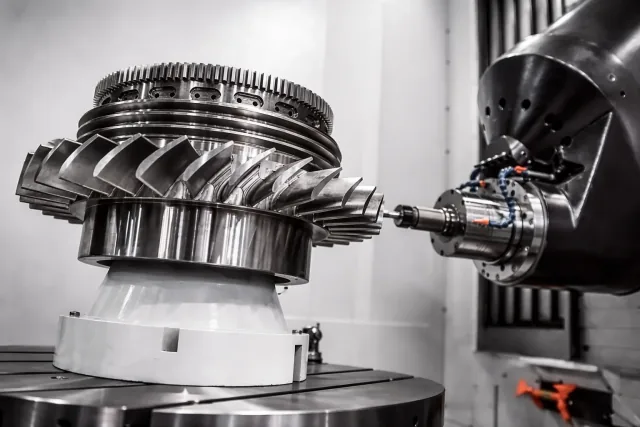
Part geometry directly affects cost. Simple designs can be machined quickly, while complex geometries—especially those requiring multi-axis machining or difficult tool access—add programming time, additional setups, and longer cycle times.
Tolerances and Precision Requirements
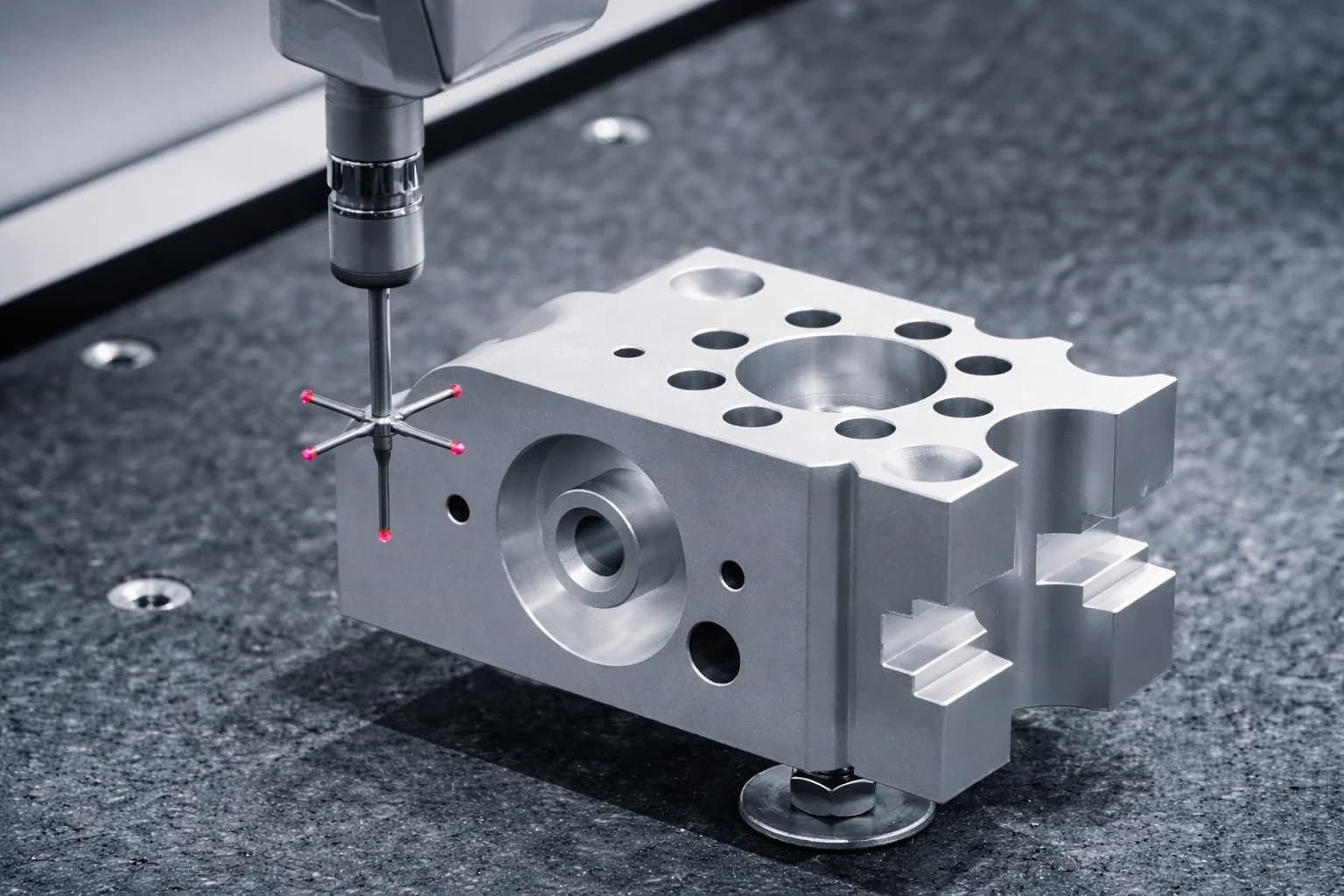
Tighter tolerances require slower machining speeds, more precise calibration, and additional inspection. While high precision is sometimes necessary, applying tight tolerances only where functionally required is one of the most effective ways to control cost.
Surface Finish and Post-Processing
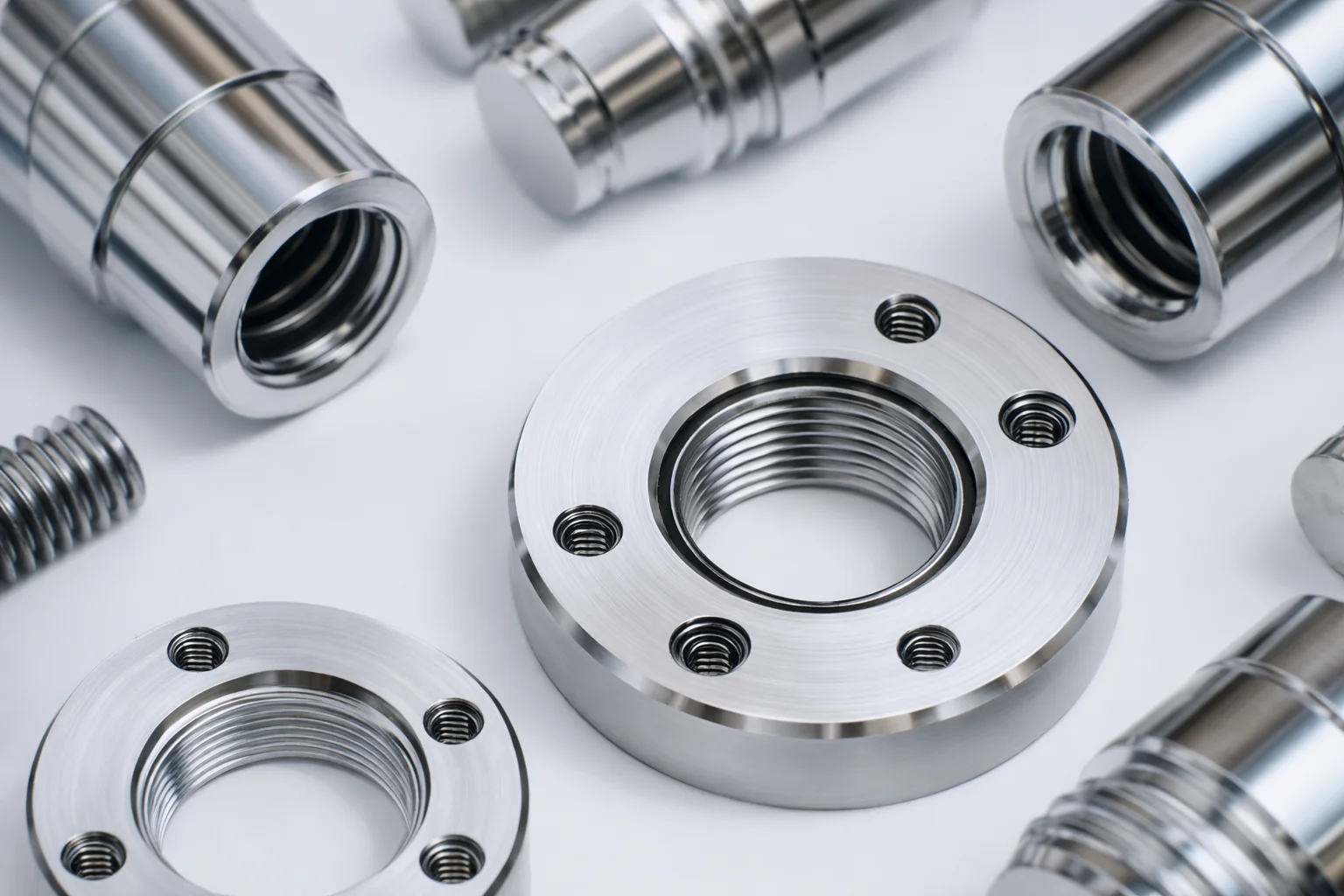
Surface finish requirements significantly impact both cost and lead time. Basic as-machined finishes are typically the most economical, while additional processes such as anodizing, polishing, or coating introduce extra steps and higher pricing.
| Material | Surface Finish | Quantity | Unit Price (Estimated) | Lead Time (Estimated) |
|---|---|---|---|---|
| Aluminum | As Machined | 1 | $15 – $30 | 2 – 5 days |
| Aluminum | Anodizing | 1 | $20 – $40 | 3 – 7 days |
| Aluminum | Bead Blasting | 1 | $15 – $35 | 2 – 6 days |
| Aluminum | Polishing | 1 | $25 – $50 | 3 – 7 days |
| Aluminum | Powder Coating | 1 | $30 – $60 | 4 – 8 days |
| Aluminum | Electroplating | 1 | $35 – $70 | 5 – 10 days |
| Aluminum | Brushing | 1 | $20 – $45 | 3 – 7 days |
Production Volume and Setup Costs
CNC machining involves initial setup costs such as programming and fixturing. These costs are distributed across the number of parts produced, meaning higher volumes significantly reduce cost per part through economies of scale.
Machining Time, Labor, and Logistics
Machining time remains one of the most direct cost drivers—longer cycle times increase total cost. Labor, setup complexity, and tool wear also contribute, especially for difficult materials or intricate parts. Additionally, lead time requirements and logistics, including shipping and part size, can influence the final price.
Shipping and Logistics Costs
Shipping costs are often overlooked when evaluating CNC machining cost, but they can have a significant impact on the total project budget. Factors such as part size, weight, packaging requirements, and shipping method all influence the final logistics cost.
For smaller, lightweight components, shipping may represent a minor portion of the total cost. However, for larger or heavier parts, freight charges can become a major cost driver—especially when international shipping, customs, or expedited delivery are involved.
Strategies for Reducing CNC Machining Costs
Reducing CNC machining cost is not about cutting corners—it is about understanding where the cost actually comes from and making decisions that reduce machining time, setup effort, and unnecessary operations. In practice, most cost savings come from a few key areas: production volume, part design, material selection, and finishing requirements.
Leveraging Economies of Scale
One of the most effective ways to reduce CNC machining cost is increasing production volume. CNC machining includes fixed costs such as programming, setup, and fixturing. These costs remain almost the same whether you produce one part or one hundred.
For example, a part that costs $40 when produced as a single unit may drop significantly in cost as volume increases. At a quantity of 10 units, the cost per part could decrease to approximately $12–$15. At 100 units, that same part may drop below $10 per unit. This represents a cost reduction of over 60%, simply by distributing setup and programming costs across more parts.
The reason behind this is simple: the design, toolpaths, and machine setup remain constant regardless of quantity. Once the machine is running, producing additional parts becomes significantly more efficient. For this reason, planning production in larger batches is one of the most reliable ways to reduce cost per part.
Reducing Machining Time Through Design
Machining time is one of the most direct cost drivers. The longer a part takes to machine, the higher the cost. Simplifying part geometry can significantly reduce cycle time and improve efficiency. Features such as deep cavities, thin walls, and sharp internal corners require slower cutting speeds and specialized tooling, which increases machining time.
By designing parts with better tool access, avoiding unnecessary complexity, and using standard radii instead of sharp internal corners, machining can be completed faster and more efficiently. Even small design changes can result in meaningful cost reductions.
Selecting Cost-Efficient Materials
Material choice directly impacts machining cost beyond just raw price. Materials that are easier to machine, such as aluminum, allow for faster cutting speeds and longer tool life. In contrast, harder materials like stainless steel or titanium require slower machining and increase tool wear, which raises cost.
When performance requirements allow it, selecting a more machinable material can significantly reduce total cost without affecting functionality. In many cases, material substitution is one of the fastest ways to optimize pricing.
Minimizing Surface Finishing
Surface finishing processes can add significant cost and lead time. Processes such as anodizing, polishing, coating, or plating require additional handling, equipment, and processing steps.
Whenever possible, using as-machined finishes can reduce cost. If finishing is required, limiting the number of finishes on a single part and applying them only where necessary helps control overall manufacturing cost.
Avoiding Unnecessary Tight Tolerances
Tight tolerances increase machining cost because they require slower cutting speeds, more precise calibration, and additional inspection. Applying tight tolerances across an entire part is rarely necessary.
Instead, tolerances should only be specified where functionally required. Relaxing tolerances on non-critical features is one of the simplest and most effective ways to reduce cost without impacting performance.
Outsourcing CNC Machining with the Right Manufacturing Partner
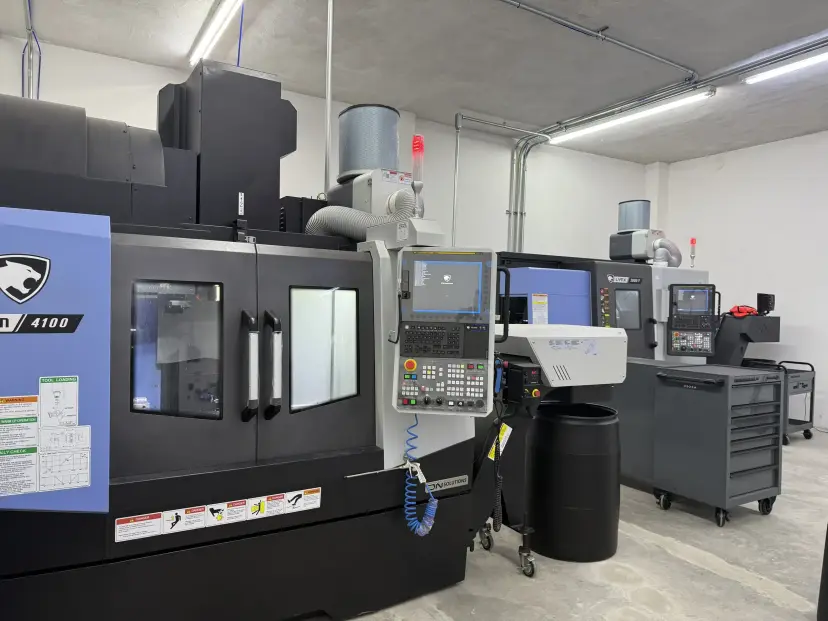
Outsourcing CNC machining services is one of the most effective ways to reduce total production cost, but the choice of partner and location plays a critical role. While domestic suppliers in high-cost regions can offer strong capabilities, they often come with significantly higher pricing. On the other hand, overseas options may reduce cost but introduce longer lead times, communication challenges, and logistical complexity.
Nearshore manufacturing provides a practical balance between cost, lead time, and operational efficiency. By working with partners located in regions such as Mexico, companies can reduce shipping time, improve communication, and maintain better control over production without the delays commonly associated with overseas sourcing.
At PREMSA Industries, we help you optimize the cost of your part from the early design stage through full production. Instead of simply quoting parts, we analyze manufacturability, identify cost drivers, and provide practical recommendations to improve efficiency.
Our approach is built around fast response times, clear communication, and production-ready execution. We support projects ranging from prototypes to production volumes, ensuring consistent quality and reliable lead times across every stage.
Getting started is straightforward. Upload your design, receive expert feedback, and move your project forward with confidence.
Request a quote and get your CNC machining project started today.
If you are preparing or optimizing designs, see our CNC machining design guide. To go deeper on cost from other angles, also read what affects CNC machined part cost most, how to reduce CNC part cost with simple design changes, and how CNC machine hourly rate is calculated.

Written by
Adrian Cavazos and the PREMSA Engineering Team
Adrian Cavazos, founder of PREMSA Industries, leads a manufacturing engineering team specialized in CNC turning and milling, 3D printing, and production-ready solutions. The team works closely with customers to optimize designs, improve manufacturability (DFM), and ensure reliable, scalable production from prototypes to volume manufacturing.