
Have you ever wondered how complex components—from automotive parts to industrial equipment—are produced with such precision and consistency? The answer lies in CNC machining services.
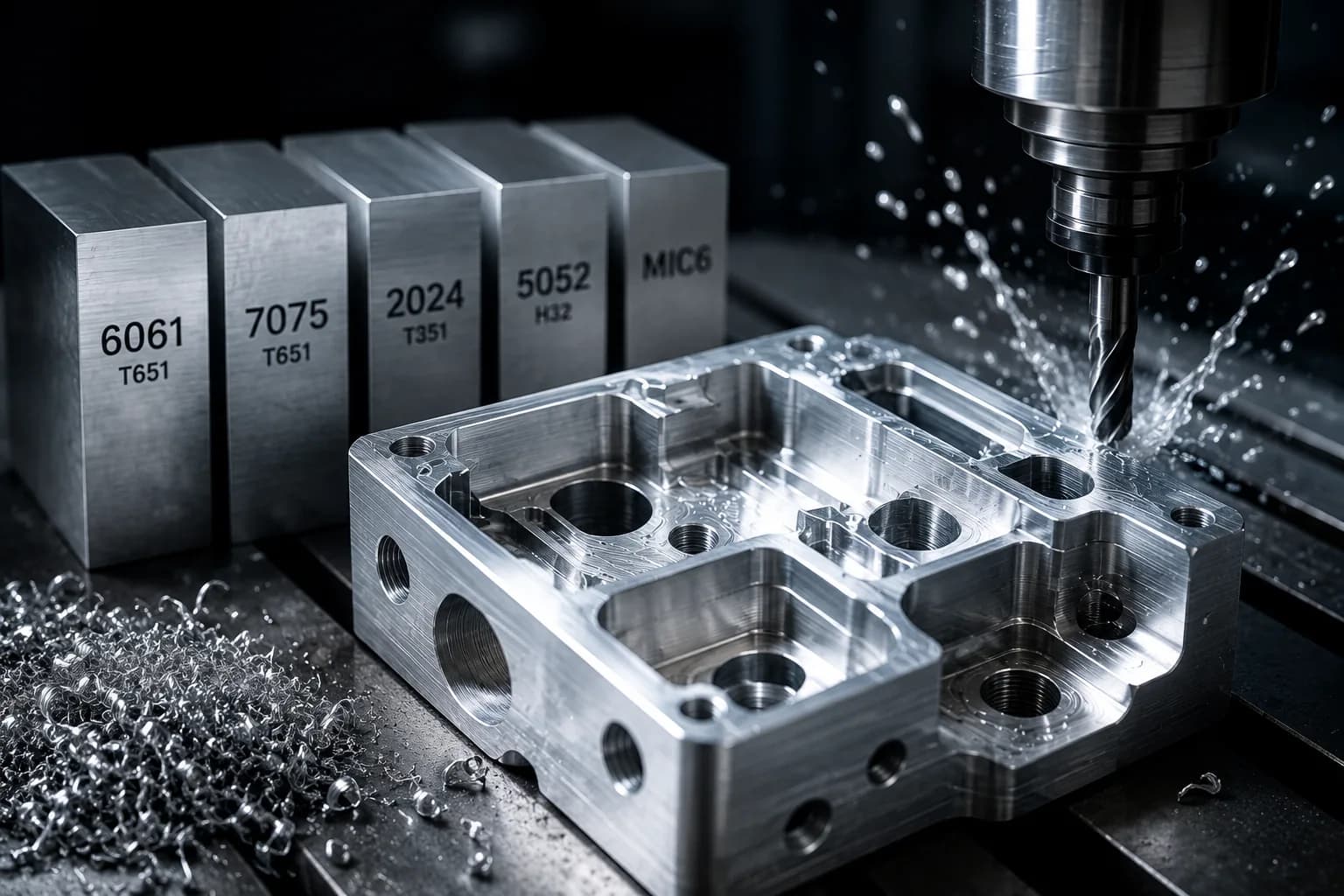
CNC machining is a subtractive manufacturing process where pre-programmed computer software controls the movement of tools and machinery to remove material from a solid block. This process enables the production of high-precision, repeatable parts across metals and plastics—something that would be extremely difficult to achieve manually.
Depending on the application, CNC machining is often combined with other manufacturing processes to create complete, production-ready components.
Today, CNC machining is a core manufacturing process across industries such as aerospace, automotive, and medical, where precision, reliability, and scalability are critical.
Overview of CNC Machining
CNC machining is a core manufacturing process used to produce high-precision parts with consistent quality across a wide range of industries. By using computer-controlled equipment, manufacturers can automate complex cutting operations and achieve tight tolerances that are difficult to replicate with manual machining.
At its core, CNC machining services work by removing material from a solid block—commonly referred to as a workpiece—using cutting tools that follow programmed instructions. These instructions, generated from CAD and CAM software, guide the machine’s movements with high accuracy and repeatability.
One of the key advantages of CNC machining is its versatility. It supports a wide range of materials and applications, making it suitable for both prototyping and full-scale production across multiple industries.
CNC machining is also highly adaptable in terms of complexity. Simple parts can be produced efficiently, while more advanced setups enable the creation of intricate geometries with fewer setups and improved efficiency.
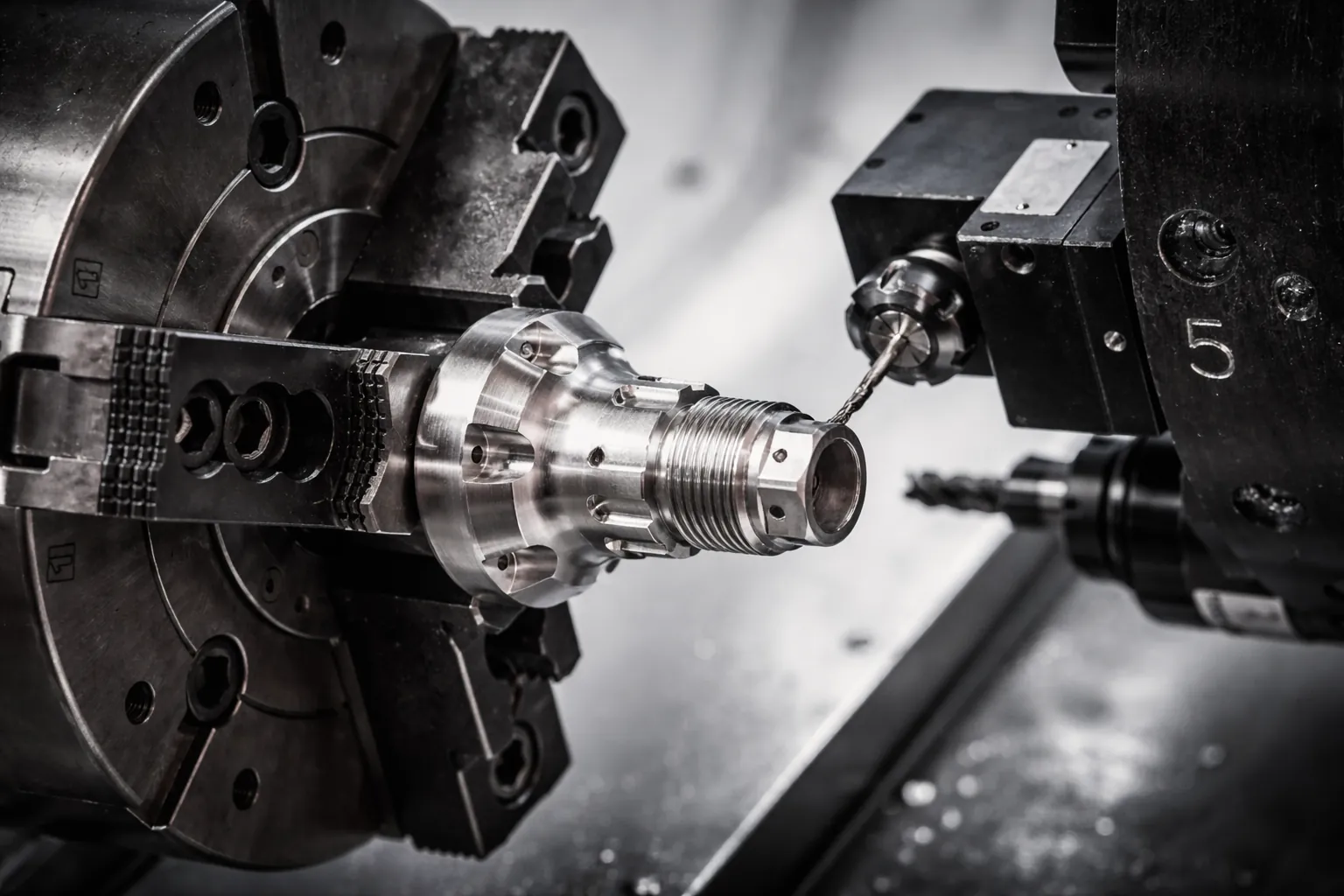
For businesses, engineers, and individuals, CNC machining offers a reliable balance between precision, scalability, and lead time, making it one of the most widely used processes in modern manufacturing.
How CNC Machining Works (3 Key Steps)
CNC machining follows a structured process that transforms a digital design into a physical, production-ready part. While complexity may vary, the workflow is typically divided into three main stages: design, programming, and machining.
1. Design (CAD & DFM)
The process begins with a 3D model created using CAD (Computer-Aided Design) software. This model defines the geometry, dimensions, and critical features of the part.
Design for Manufacturability (DFM) is essential at this stage. It ensures the part can be produced efficiently, reducing cost and avoiding issues later in production.
- Tool accessibility
- Wall thickness
- Internal radii
- Tolerances
A well-optimized design reduces machining time, minimizes errors, and improves overall production efficiency.
2. Programming (CAM & Toolpaths)
Once the design is finalized, it is converted into machine instructions using CAM (Computer-Aided Manufacturing) software.
- Toolpaths (the path the cutting tool will follow)
- Cutting parameters (speed, feed rate, depth of cut)
- G-code (the language CNC machines use to operate)
Accurate programming ensures the machine executes the design correctly. Poor programming or weak DFM can lead to inefficiencies, tool wear, and dimensional inaccuracies.
3. Machining (Material Removal & Finishing)
In the final stage, the CNC machine follows the programmed instructions to remove material from a solid block (workpiece) and create the final geometry.
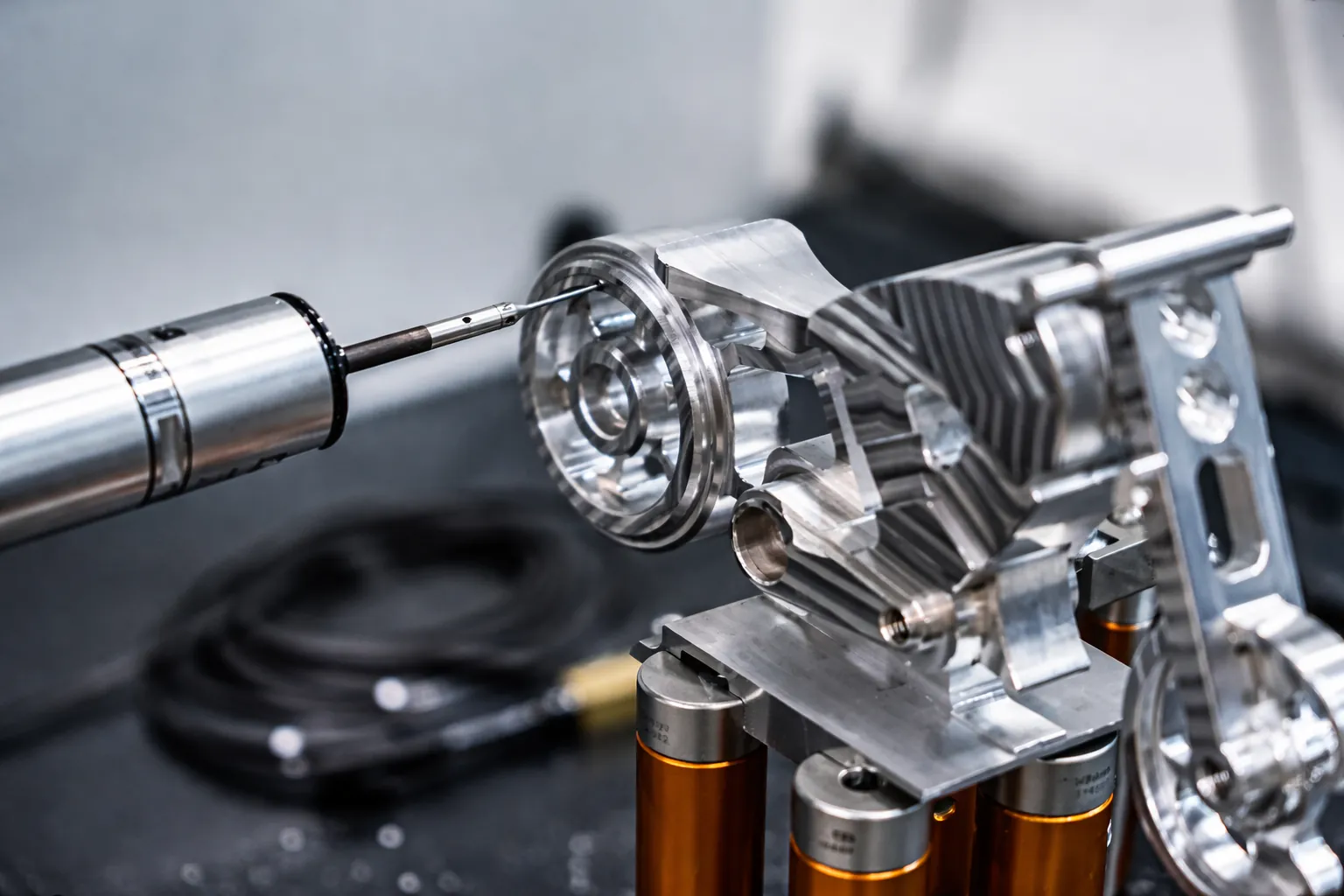
After machining, parts may go through secondary processes such as deburring, surface finishing, or inspection to ensure they meet specifications.
Types of CNC Machines
CNC machining includes a range of machines designed to handle different geometries, materials, and production requirements. Each machine type is optimized for specific operations, allowing manufacturers to produce everything from simple components to highly complex parts efficiently.
Understanding these machine types helps businesses, engineers, and individuals choose the right process based on precision, cost, and lead time.
CNC Milling Machines
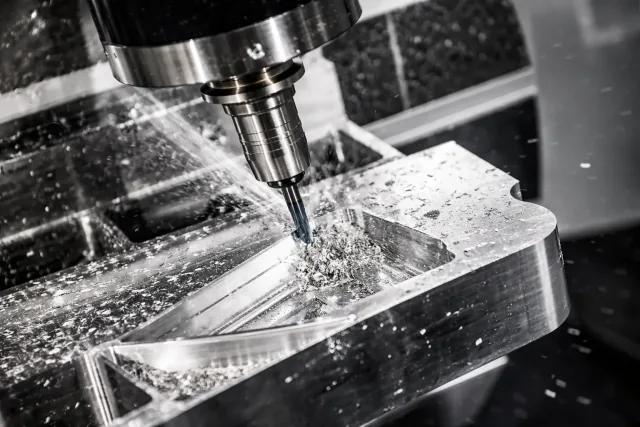
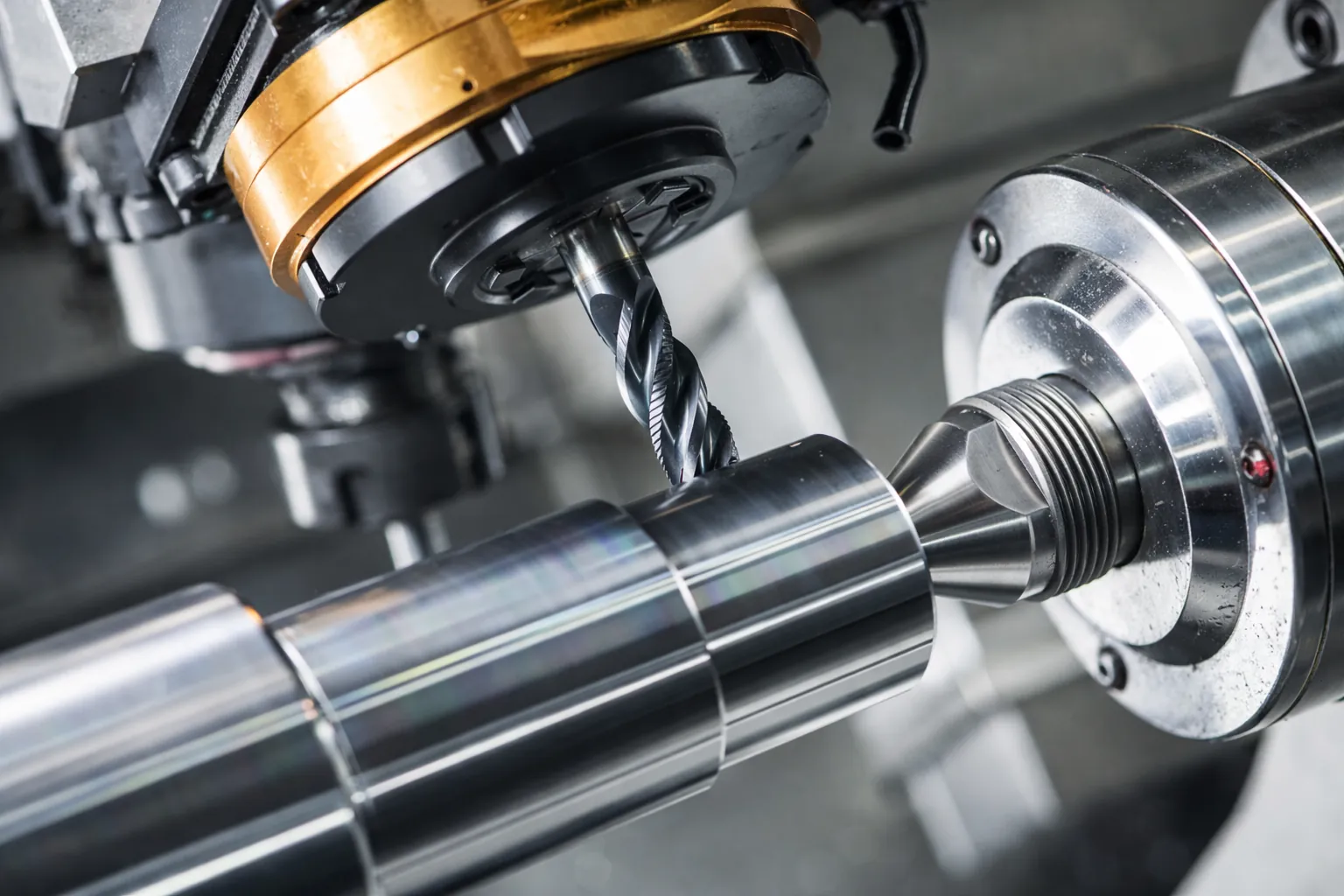
CNC milling uses rotating cutting tools to remove material from a fixed workpiece. It is one of the most versatile machining processes and is widely used for complex geometries, flat surfaces, and detailed features.
Milling systems typically operate in 3, 4, or 5 axes, allowing for increasing levels of complexity and precision. They are commonly used for prismatic parts across multiple industries.
CNC Turning Machines (Lathes)
CNC turning rotates the workpiece while a cutting tool removes material to create the desired shape. This process is best suited for cylindrical components such as shafts, bushings, and threaded parts.
Turning is highly efficient for high-volume production and offers excellent repeatability and surface finish.
CNC Mill-Turn Machines
Mill-turn machines combine milling and turning capabilities in a single setup. This reduces multiple operations, minimizes handling, and improves dimensional accuracy.
They are ideal for complex parts that require both rotational and prismatic features, helping reduce lead time and production cost.
Swiss-Type CNC Machines
Swiss-type CNC machines are designed for high-precision machining of small, slender components. They provide superior stability by supporting the workpiece close to the cutting tool.
These machines are commonly used in applications where tight tolerances and fine features are required.
CNC Drilling & Threading Machines
Drilling & threading machines specialize in creating precise holes and threads. While often integrated into other machining centers, dedicated setups improve efficiency in high-volume production.
They are critical for parts that require accurate hole positioning and reliable threading.
CNC Laser Cutting Machines
CNC laser cutting uses a high-powered laser beam to cut materials with high precision and minimal distortion. It is widely used for sheet metal components and intricate 2D profiles.
This process is ideal for producing clean edges and tight tolerances in materials such as steel, stainless steel, and aluminum.
CNC Machining Parameters
CNC machining performance is defined by a set of key parameters that control how material is removed, how tools interact with the workpiece, and how the final part is produced. These variables directly impact precision, surface finish, production speed, and cost.
Understanding these parameters helps businesses, engineers, and individuals make better decisions when designing parts and evaluating CNC machining services.
Cutting Speed & Spindle Speed
Cutting speed defines how fast the tool engages with the material, while spindle speed (RPM) controls how quickly the tool rotates. Higher speeds can improve production time but may increase tool wear or reduce surface quality if not properly controlled.
Feed Rate
Feed rate determines how fast the tool moves across the material. It directly affects machining time, surface finish, and tool life.
- Higher feed rates → faster production, rougher finish
- Lower feed rates → smoother finish, longer cycle time
Balancing feed rate is critical for both quality and efficiency.
Depth of Cut
Depth of cut defines how much material is removed in a single pass. Deeper cuts reduce machining time but increase cutting forces and tool stress, while shallower cuts improve surface finish and accuracy.
Tool Selection & Geometry
The type of cutting tool—such as end mills, drills, or inserts—plays a major role in machining performance. Tool geometry, coating, and material must match the workpiece.
- Surface finish
- Dimensional accuracy
- Tool life
Tolerance & Accuracy
Tolerance defines the allowable variation in part dimensions. Tighter tolerances require more precise machining, additional inspection, and often slower production speeds.
- Tight tolerance → higher cost
- Standard tolerance → more cost-efficient
Material Type
Different materials behave differently during machining. Metals like aluminum are easier to machine, while materials like stainless steel or titanium require more controlled parameters and slower speeds.
- Machining time
- Tool wear
- Overall cost
Coolant & Chip Control
Coolant is used to reduce heat, improve tool life, and maintain dimensional stability. Proper chip evacuation is also critical to avoid tool damage and ensure consistent cutting performance.
Common Applications of CNC Machined Parts
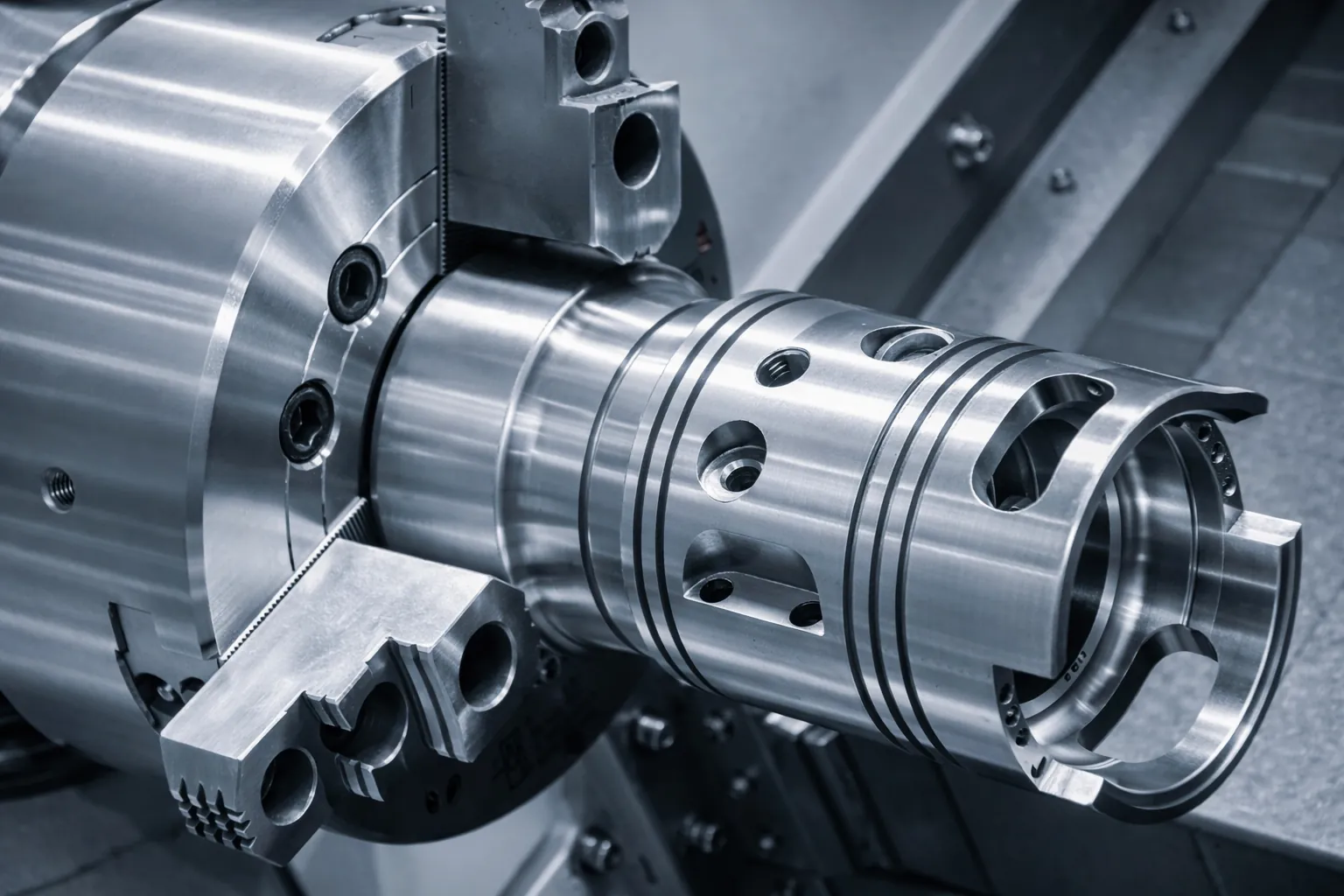
CNC machining is used across a wide range of industries where precision, repeatability, and reliability are critical. From prototyping to production, it enables the manufacturing of components with consistent quality and tight tolerances.
| Industry | Typical Applications |
|---|---|
| Aerospace & Defense | Structural brackets, precision housings, engine components, and high-strength parts requiring tight tolerances. |
| Automotive | Engine components, transmission parts, suspension components, and prototyping parts for vehicle development. |
| Medical Devices | Surgical instruments, implants, prosthetics, and precision components requiring high accuracy. |
| Electronics & Semiconductors | Enclosures, heat sinks, connectors, and components requiring tight tolerances and thermal management. |
| Industrial Equipment & Machinery | Shafts, gears, fixtures, valves, and heavy-duty components designed for durability. |
| Consumer Products | Housings, frames, mechanical parts, and custom components used in electronics and everyday products. |
Main Advantages and Disadvantages of CNC Machining
CNC machining offers a strong combination of precision, flexibility, and scalability. However, like any manufacturing process, it also has limitations depending on part design, volume, and application requirements.
| Advantages | Disadvantages |
|---|---|
| High precision – Produces consistent parts with tight tolerances across production runs. | Higher cost – Equipment, setup, and programming can be more expensive than simpler processes. |
| Material flexibility – Supports metals and engineering plastics across many applications. | Material waste – As a subtractive process, excess material is removed. |
| Scalable production – Suitable for both prototyping and mid-volume manufacturing. | Volume limitations – Other processes may be more cost-effective at very high volumes. |
| Complex geometries – Multi-axis machining enables intricate features and designs. | Design constraints – Tool geometry can limit sharp internal corners or deep cavities. |
| Fast turnaround – Effective for rapid prototyping and short production runs. | Setup complexity – Requires proper programming and setup to avoid inefficiencies. |
| Consistent quality – Automated processes reduce variability and human error. | Multiple setups – Complex parts may require additional operations, increasing time. |
While CNC machining has limitations, it remains one of the most widely used processes due to its balance of precision, speed, and reliability.
PREMSA Industries: Your Manufacturing Partner for CNC Projects
Meeting CNC machining requirements goes beyond simply producing parts. It requires technical understanding, clear communication, and the ability to move efficiently from prototype to production.
At PREMSA Industries, we operate as a manufacturing partner, not just a supplier. Our focus is on helping customers improve manufacturability, maintain consistent quality, and scale production with confidence.
We support a broad range of capabilities, including CNC machining, sheet metal fabrication, and complementary manufacturing processes. This allows us to deliver complete solutions for projects that require multiple operations and tight coordination.
Our approach is built around:
- Engineering support and DFM feedback to optimize designs before production
- Clear and responsive communication throughout the project lifecycle
- Flexible production capacity from prototypes to full-scale manufacturing
- Consistent quality standards across all stages of production
Whether you are developing a new product or scaling an existing one, PREMSA Industries provides the technical expertise and manufacturing capability needed to execute efficiently and reliably.
Ready to Start Your CNC Project?
Whether you need a single prototype or full production, getting started is simple. Upload your design, review your options, and move your project forward with confidence.
Request a quote and get your CNC machining project started today.
If you are preparing or optimizing designs, see our CNC machining design guide.

Written by
Adrian Cavazos and the PREMSA Engineering Team
Adrian Cavazos, founder of PREMSA Industries, leads a manufacturing engineering team specialized in CNC turning and milling, 3D printing, and production-ready solutions. The team works closely with customers to optimize designs, improve manufacturability (DFM), and ensure reliable, scalable production from prototypes to volume manufacturing.